


5 Ways Minimalism Improves Daily Life
What if owning less could actually give you more — more time, more focus, and more peace of mind? In a world filled with constant noise and clutter, minimalism offers a simple path toward a calmer,...

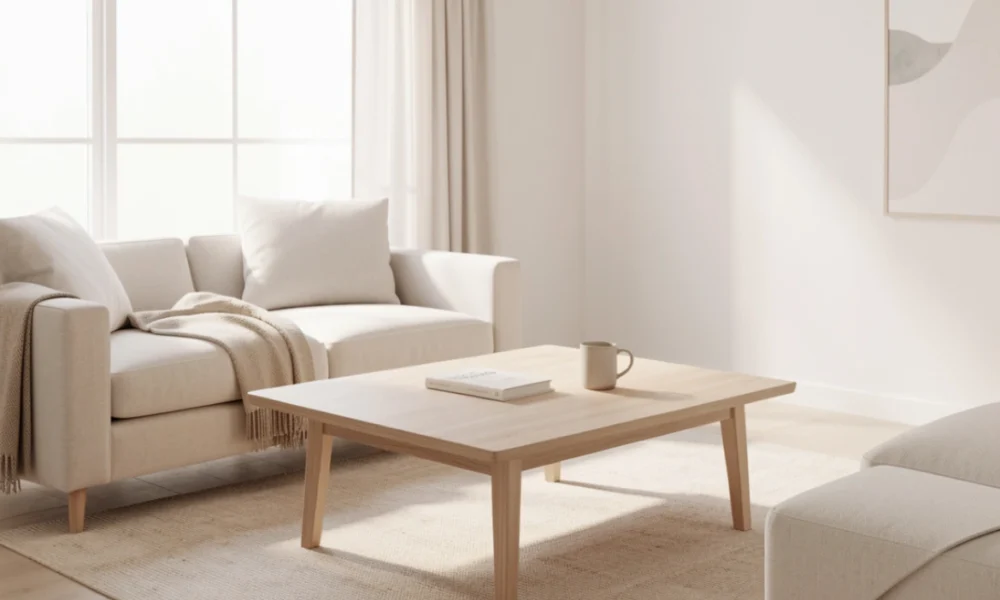
What if owning less could actually give you more — more time, more focus, and more peace of mind? In a world filled with constant noise and clutter, minimalism offers a simple path toward a calmer, more intentional daily life.
Table Of Content
You don’t need to sell everything and move into a tiny house. Minimalism isn’t about extremes. It’s about making room for what actually matters to you by removing what doesn’t.
Here are five practical ways that embracing a simpler approach can genuinely improve your day-to-day life.
1. You Feel Less Stressed at Home
Clutter has a quiet way of adding to your stress. When surfaces are covered, drawers are stuffed, and rooms feel chaotic, your brain is constantly processing visual noise — even when you’re trying to relax.
Studies have shown that people living in cluttered spaces report higher levels of the stress hormone cortisol, particularly at the end of the day. A tidier space tends to feel calmer, and a calmer space makes it easier to switch off.
You don’t need a perfectly styled home to feel the difference. Start with one area — a kitchen counter, a bedside table, or a bathroom shelf. Clearing just that one space can make the whole room feel lighter.
A small step to try: Pick one surface in your home and remove everything that doesn’t need to be there. Put things away, donate what you don’t use, and see how it feels after a few days.
2. You Make Decisions More Easily
Every day you make dozens of small decisions — what to wear, what to cook, what to buy. When you own a lot of things, those decisions quietly pile up and wear you down.
This is sometimes called decision fatigue. The more choices you face, the harder each one becomes. It’s why some people wear the same style of clothing every day or keep their meals simple during busy weeks.
Minimalism reduces the number of choices you have to make. A smaller wardrobe with pieces you actually like means getting dressed takes less thought. A tidy kitchen with fewer gadgets makes cooking feel less complicated.
A small step to try: Look at one area of your life where decisions feel tiring. Could having fewer options actually make things easier? Try simplifying just that one area and see what happens.
3. You Spend Less and Save More
One of the quieter benefits of minimalism is what it does to your spending habits. When you get used to owning less, you naturally become more selective about what you bring into your home.
Impulse buying often comes from habit, boredom, or the feeling that something is missing. As you start to appreciate what you already have, that urge tends to settle down. You begin to ask whether you genuinely need something before you buy it.
Over time, this can make a real difference to your finances. Not because minimalism is a budgeting strategy, but because your relationship with buying things slowly changes.
A small step to try: Before your next non-essential purchase, wait 48 hours. If you still want it and it serves a real purpose, go ahead. If not, let it go.
4. Your Daily Routines Get Simpler
Busy mornings, long to-do lists, and a home full of things to manage can make daily life feel like a lot of work. Minimalism can help by reducing the number of things you need to maintain, clean, organise, and keep track of.
When you own fewer things, tidying takes less time. When your schedule has some breathing room, you feel less rushed. When your home is easier to manage, your routines run more smoothly.
This doesn’t mean life becomes effortless. But the small friction that comes from owning too much — always searching for things, cleaning rooms full of stuff, managing storage — can quietly drain your energy without you noticing.
A small step to try: Write down three tasks in your routine that feel unnecessarily complicated. Could owning less, doing less, or simplifying something make any of them easier?
5. You Focus Better on What You Enjoy
When your time, space, and energy aren’t being pulled in many directions, it becomes easier to focus on the things you actually care about. That could be a hobby, spending time with people you love, or simply resting without guilt.
Minimalism isn’t about removing joy from your life. It’s about being honest about what genuinely satisfies you and making more room for that. Many people find that after clearing physical clutter, they also start to feel clearer about how they want to spend their time.
You might find yourself reading more, spending less time scrolling, or finally having the headspace to start something you’ve been putting off.
A small step to try: Think about one thing you enjoy but rarely make time for. Is there something in your schedule or space that’s quietly getting in the way of it?
Final Thoughts
Minimalism doesn’t require a dramatic overhaul of your life. It’s a gradual shift toward owning and doing what actually serves you, and letting go of what doesn’t.
The benefits build slowly. Less clutter leads to less stress. Fewer choices lead to clearer thinking. Simpler routines leave more room for the things you value.
You don’t have to do it all at once. Picking one small area to simplify is a perfectly reasonable place to begin. Over time, those small changes tend to add up in ways that feel genuinely worthwhile.




No Comment! Be the first one.