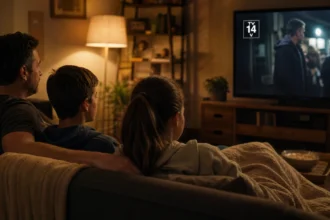

You’re tired. You need a break. But flights are pricey, work is hectic, and the thought of packing a suitcase makes you want to crawl back under the covers. What if a real holiday didn’t require a single bag or a long journey? That’s exactly what a staycation delivers. If you’ve ever searched what is a staycation and how does it work, you’re in the right place. By the end of this guide, you’ll know exactly what it is, why so many people love it in 2026, and how to plan one that actually feels like a holiday.
What Is a Staycation? (A Simple, No-Fluff Definition)
A staycation is a planned break where you take time off at home or somewhere close to home, on purpose, with the same intention you’d bring to a traditional holiday. You’re not catching up on chores. You’re not checking emails. You’re resting, exploring, and doing things that feel good.
The term blends “stay” and “vacation.” It’s been around since the early 2000s, but it’s taken on a new meaning in 2026. People aren’t just staying home because they can’t afford to travel. They’re actively choosing it.
A staycation can look like:
- Three days off work with zero plans beyond your favourite films and long walks
- A night in a local hotel with room service and a spa treatment
- A weekend cooking new recipes, visiting a nearby museum, and sleeping in late
The rule is simple: you treat the time like a real holiday, not like a slow Tuesday.
Staycation vs. Vacation: What’s the Real Difference?
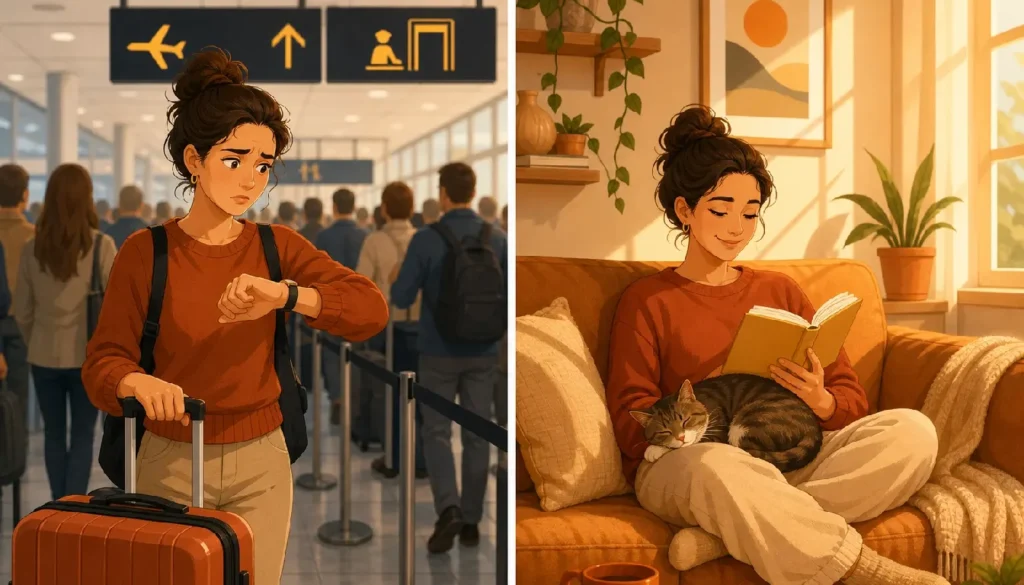
A vacation usually means travel, planning, and spending. You book flights, hotels, transfers, and tours. You deal with delays, jet lag, and the inevitable Sunday-night dread when you realise you packed too much and relaxed too little.
A staycation removes all of that. No queues. No overpriced airport sandwiches. No 4am alarms.
What you keep is the intention. You’re still off work. You still deserve rest. The difference is you build the holiday around what you actually want, not what a package deal tells you to want.
Here’s a quick comparison:
| Vacation | Staycation | |
|---|---|---|
| Cost | High | Low to moderate |
| Planning effort | High | Low |
| Travel stress | High | None |
| Flexibility | Low | Very high |
| Recovery time needed | Often yes | Rarely |
The staycation wins on almost every practical point. The trade-off is that it requires more self-discipline to truly switch off, which is why the final section of this guide covers that specifically.
Why Are Staycations So Popular in 2026?
Three big forces have made staycations the preferred break for millions of people this year.
1. Cost of living pressure Average international flight prices rose 18% between 2023 and 2025, according to travel industry data. A week abroad for a family of four now easily costs £4,000 to £6,000 all-in. A staycation can deliver genuine rest for a fraction of that.
2. Burnout culture A 2025 workplace study by the Mental Health Foundation found that 68% of UK workers reported chronic fatigue. People aren’t just tired; they’re exhausted in a way that a hectic holiday won’t fix. A quiet few days at home is often more restorative than a week in a noisy resort.
3. The local discovery trend More people are genuinely curious about what exists in their own city or region. Food markets, hiking trails, independent cinemas, and boutique hotels are all within reach and often underused. Staycationers are finding them.
I used to scroll past staycation content thinking it was just a budget travel hack. Then I tried it properly for the first time after a brutal stretch of work, and I realised I’d been wrong. I came back to my desk three days later feeling better than I had after a proper beach holiday the previous summer. The key was that I treated it seriously.
The Real Benefits of a Staycation (That Nobody Talks About)
Everyone mentions the cost savings. Those are real. But the benefits of a staycation in 2026 go much further.
You control every single detail. No hotel that disappoints. No restaurant that’s fully booked. You choose the food, the pace, and the schedule.
You don’t need recovery time. After most holidays, you need a day or two to recover from the travel itself. A staycation ends cleanly.
You connect with where you live. Most people don’t explore their local area properly. A staycation gives you a real reason to. One afternoon at a local spa, a long walk in a nearby park, or dinner at a restaurant you’ve walked past a hundred times can completely shift how you feel about home.
You save money without feeling deprived. The average UK staycation costs £300 to £700 for a long weekend, depending on how much you spend on local activities or a nearby hotel stay. Compare that to £2,000 to £4,000 for a European holiday. The savings are real, but you still feel like you did something.
It’s easier to actually rest. You’re in your own bed, in your own space, with your own routines. For people who genuinely struggle to relax in new places, that matters more than most admit.
How to Plan a Staycation in 3 Simple Steps (Even on a Budget)
Knowing how to plan a staycation on a budget is mostly about intention. The planning is simple. Here’s what works.
Step 1: Block the dates and protect them.
Choose specific days and mark them as annual leave or personal time. Tell people you’re unavailable. Don’t leave it as a loose “I might take some time off.” Treat the booking like you’ve already paid for flights, because in terms of commitment, that’s the level you’re going for.
Step 2: Plan one anchor activity per day.
You don’t need a packed schedule. You need one thing per day that feels special or different. A visit to a local spa. A long hike in a spot you’ve never tried. A cooking project that takes three hours. A trip to a gallery followed by a long lunch. That one activity gives the day a purpose without pressure.
Step 3: Set a single non-negotiable rule.
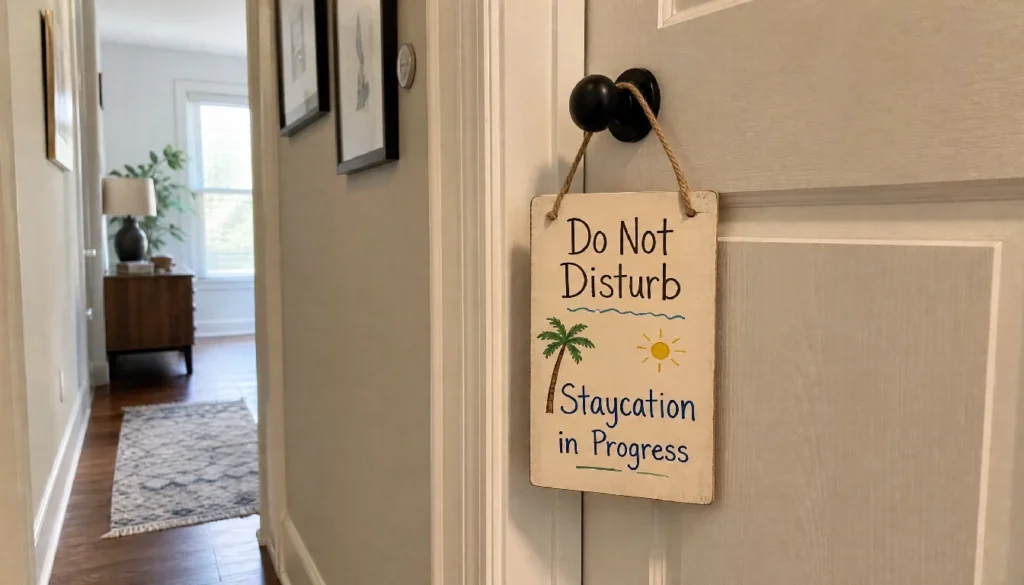
No work email. No chores. No “I’ll just quickly do this one thing.” Pick the rule that matters most to you and stick to it. Put your phone on do not disturb. Hang a sign on the door if it helps. The mindset shift is what separates a restful staycation from a boring weekend at home.
5 Easy Staycation Ideas to Steal Right Now

Looking for staycation ideas for couples at home or solo options that feel genuinely fun? Here are five that work.
1. Build a blanket fort and make a night of it. Fairy lights, snacks, a great film series. It sounds silly until you’re actually doing it, at which point it’s brilliant.
2. Book a night in a local hotel. Even one town over counts. Changing your environment without a long journey gives you a real holiday feeling. Many mid-range UK hotels offer midweek deals under £100 per night.
3. Do a full spa day at home. Run a bath, use the good products, put your phone in another room. Give yourself the afternoon with no agenda.
4. Explore your city like a tourist. Pick three places you’ve never visited in your own town. A local history site, a food market, a rooftop bar. Bring a camera.
5. Cook your way through a cuisine you love. Choose a country. Spend two days cooking dishes from it. Get the ingredients, take your time, and eat well.
None of these require a big budget. Most require only the decision to do them.
Staycation Rules: How to Actually Switch Off and Relax
This is the part most people skip, and it’s why their staycation feels like a boring weekend instead of a real break. Knowing staycation rules and how to set boundaries is what makes the difference.
Tell the people in your life you’re off. Not just your boss. Your family too. If you’re at home, people assume you’re available. You have to actively close that door.
Don’t do chores. You’ll be tempted. The dishes are right there. The laundry needs doing. Do them before your staycation starts, or accept they can wait until after. Chores and holidays don’t mix.
Set phone boundaries. You don’t have to go full digital detox, but turning off work notifications for three days is basic. If that feels impossible, the problem is bigger than a staycation can fix.
Dress the part. This sounds minor but it works. Wearing something you’d wear on holiday, even a nice lounge set or a favourite outfit, signals to your brain that today is different.
Have an end time for each day. Without the natural rhythm of hotel checkout or a flight home, staycation days can drift. Set a loose structure: mornings free, one activity in the afternoon, good dinner, early night. That’s a holiday.
Frequently Asked Questions
Is a staycation just staying home?
Not necessarily. It can mean staying at a local hotel, visiting a nearby town, or simply taking intentional time off in your own space. The location matters less than the mindset.
How long should a staycation be?
Three days is the sweet spot for most people. Long enough to genuinely relax, short enough that you don’t run out of ideas.
Can a staycation actually help with burnout?
Yes, and often more effectively than a busy international holiday. Rest is rest. You don’t need to cross a border to get it.
Is a staycation worth it if I have a small flat?
Absolutely. You spend more time out exploring locally, and the home base matters less than the activities you plan around it.
What’s the biggest mistake people make on a staycation?
Not protecting their time. They check emails, they do chores, they let other people’s schedules take over. Treat it like a booked holiday and it will feel like one.
You Already Know Enough to Start
Now you know exactly what a staycation is and how it works. It’s a planned, intentional break that doesn’t require travel, a big budget, or a passport. In 2026, more people are choosing it not as a fallback, but as their first choice.
The benefits are real: lower cost, less stress, genuine rest, and the chance to actually enjoy where you live. The planning is simple. The only thing left is to block the dates and take it seriously.
Pick your dates this week. Decide on one anchor activity per day. Set your one rule. Then treat it exactly like a holiday, because it is one.
You don’t need to go far to get a proper break. You just need to decide you’re taking one.
Have you tried a staycation? Drop a comment below and share what worked for you. Or share this post with someone who really needs a break but keeps saying they can’t afford to travel.