
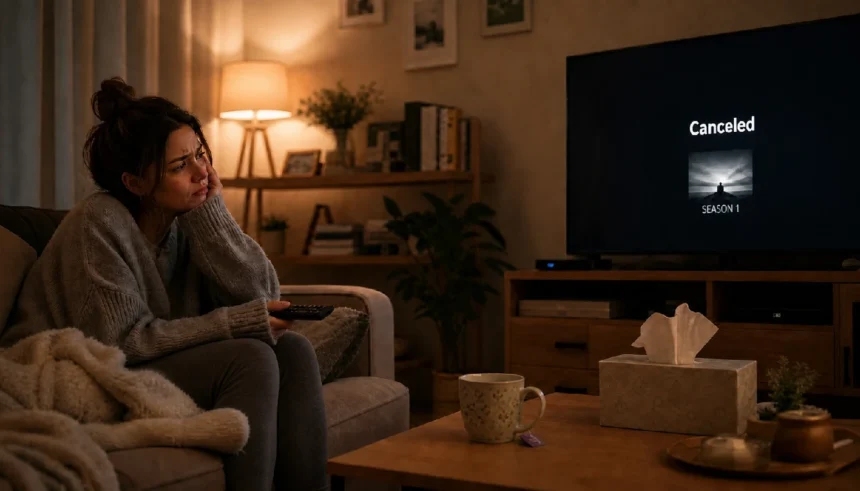
I still remember the hollow ache in my chest. I’d just spent a cozy weekend sinking into a new series. The characters felt like friends. The final episode left me breathless with a jaw-dropping cliffhanger, and I immediately grabbed my phone to search for the season two release date. Instead, I found that dreaded word: canceled. No farewell. No resolution. Just a cold, empty space where the rest of the story should have been. If you’ve ever fallen in love with a show only to have it ripped away after a single season, you know exactly what I mean. It feels personal, even though it’s not.
The frustration is real. You wonder, why do TV shows get canceled after one season when they seemed so good? Why did the network invest so much just to pull the plug? And how come some series with brilliant reviews still end up as one season wonder TV shows? I’ve asked myself those questions a hundred times. That’s why I dug into the real, unglamorous business of television. In this guide, we’ll unpack exactly what causes a TV show to be canceled, why streaming platforms seem especially ruthless, and what you can do when your favorite show gets the ax. Grab a cup of tea, get comfortable, and let’s make sense of this heartbreak together.
Understanding TV Show Cancellations After One Season: It’s a Business, Not a Judgment
Before we dive into the messy reasons, let’s clarify something important. When a series disappears after its first batch of episodes, it’s rarely about whether someone, somewhere, loved it. The decision comes down to cold, hard data and bottom lines. A series order is a gamble. Networks and streamers place a bet on a show’s potential, and that bet has to pay off fast.
You’ll often hear the terms canceled after first season and not renewed used interchangeably. While they mean the same practical outcome for us viewers, there’s a slight industry nuance: “not renewed” can simply mean the contract wasn’t picked up for another cycle, while “canceled” sometimes implies a more active stop. Either way, the result is a one and done TV show.
One key concept here is the TV series lifecycle. A show’s first season is the proving ground. It needs to demonstrate not just creative spark but also financial sustainability. Because here’s the truth that stings: television is a business. The quicker you can accept that, the easier it becomes to understand why even beloved stories end too soon.
The Top Reasons TV Shows Get Canceled After One Season
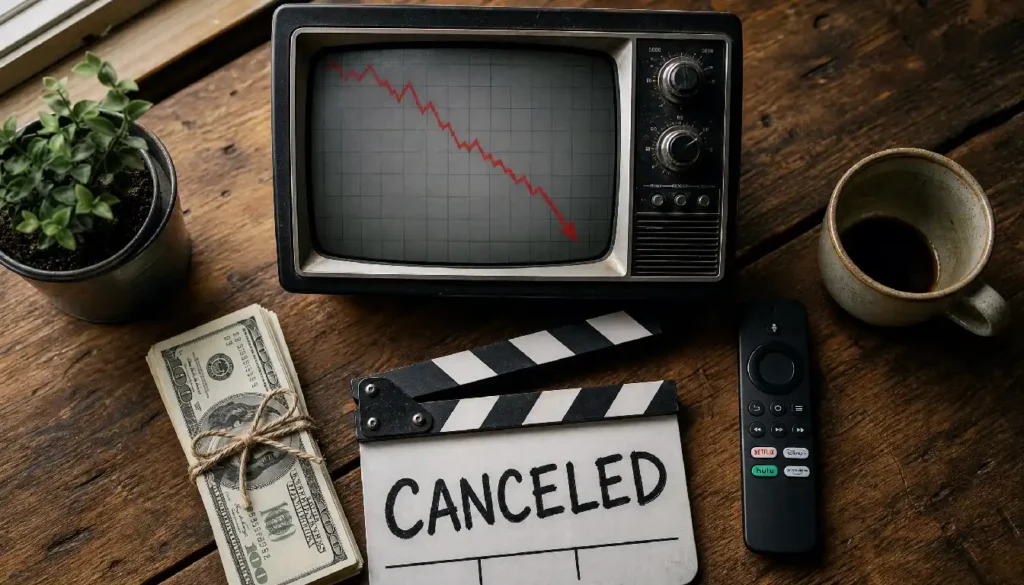
So, what are the real reasons TV shows get cancelled so early? It’s almost never a single factor. Instead, it’s a recipe with several ingredients, and if any one of them goes bad, the whole dish gets thrown out. Let’s break down the most common culprits.
1. Low Ratings and Viewership Numbers (The Old-School Gatekeeper)
For decades, the number-one killer of TV shows has been poor TV ratings. Traditional broadcast networks still rely heavily on the 18-49 demo, the age group advertisers pay a premium to reach. If a show debuts and fails to pull a certain ratings threshold in that demographic, its fate is sealed.
I’ve seen shows I adored get axed because they simply didn’t attract enough eyeballs during their time slot. It’s not that nobody was watching; it’s that not enough people in the “right” group were watching according to Nielsen boxes. A show might have a devoted older audience, but if those viewers fall outside the target demo, the show still struggles to survive. This guide to why TV shows get cancelled has to start here because ratings, however flawed, remain a brutal filter.
2. High Production Costs vs. Budget
Sometimes a show is moderately popular, but the math still doesn’t work. This is where cost per episode and the overall production budget come into play. A sweeping sci-fi epic with elaborate CGI, a period drama with hundreds of costumes, or a series featuring A-list actors commands a massive price tag.
Think about it: if a show costs $8 million per episode and only brings in ad revenue or subscription value worth $4 million, the loss adds up fast. That’s one of the most painful reasons for early TV show cancellation: the show is simply too expensive to keep alive. Even if it has decent viewership numbers, the executives will run the calculations and decide the return on investment doesn’t justify another season. I find this one especially frustrating because it means a visually stunning, ambitious story can be punished for its own creativity.
3. Streaming Platform Algorithms and the Binge Model
Now, let’s talk about the modern boogeyman: streaming platform algorithms. Services like Netflix, Prime Video, and Disney+ don’t just look at how many people sampled a show. They analyze completion rates, how quickly viewers binge the whole season, and how many new subscribers that show brought in.
The binge-watching model changed everything. A series has only a few weeks to prove itself. If a significant chunk of viewers stops after two episodes, the algorithm flags it as a failure. The platform then concludes that the audience demand isn’t strong enough to justify a renewal. This is a big reason why streaming services cancel shows after one season so often—they’re chasing what’s sticky and rewatchable. A show that is thoughtfully paced might be called “slow” by data and axed before it finds its audience. It’s a system that rewards instant obsession over slow-burn brilliance.
4. Critical Reception Doesn’t Pay the Bills
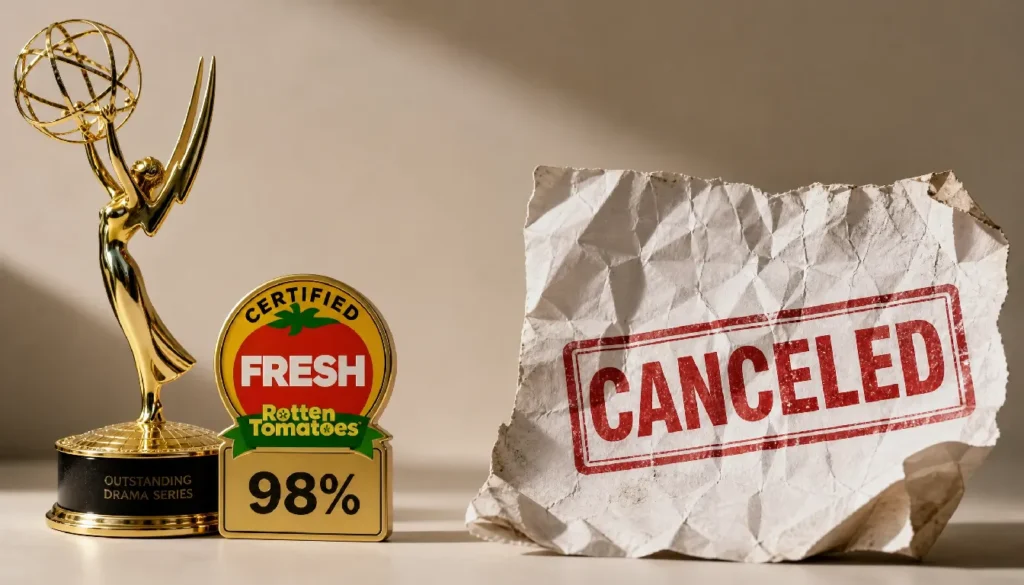
“But it had a 98% on Rotten Tomatoes!” I’ve yelled this at my screen more times than I can count. The sad reality is that critical reception alone doesn’t save a show. A series can be critically acclaimed, win awards, and still become one of those tv shows cancelled after one season despite winning awards.
Why? Because glowing reviews don’t automatically translate into mass viewership or profit. A small, passionate, high-brow audience might generate beautiful social media buzz, but buzz doesn’t always equal ratings or subscriber retention. I’ve watched networks cancel shows that made critics weep with joy while keeping on a lightweight procedural that nobody writes home about. It’s the quiet, consistent performers that often live longer, even if they lack the sparkle of a critical darling. That’s one of the hardest truths to swallow for fans of ambitious storytelling.
5. Network Executive Decisions and Upfronts Politics
Behind the scenes, a lot hinges on network executive decision making during events called upfronts cancellation announcements. Every spring, networks present their fall lineups to advertisers, and that’s when many shows learn their fate. The politics can be brutal. A new executive might want to sweep away the previous regime’s projects to make their own mark. A network may have a crowded slate and decide to clear house, leaving a promising show as an upfronts cancellation casualty.
Also, a show might be a midseason replacement—filling a gap until a bigger show returns. These fill-in shows are often given a short order and then quietly let go, never given a real chance to grow. I’ve consoled myself with the knowledge that many brilliant series were just born at the wrong time, in the wrong boardroom climate.
Comparison Table: Broadcast TV vs. Streaming Cancellation Factors
| Factor | Broadcast TV | Streaming Platforms |
|---|---|---|
| Primary Metric | Live + same-day ratings, 18-49 demo | Completion rate, total hours viewed, subscriber acquisition |
| Time to Prove Itself | A few weeks during the season | First 28–30 days after drop |
| Ad Revenue Importance | Extremely high; cancellation if ads don’t sell | None (subscription model) but engagement must be strong |
| Budget Sensitivity | High; but can be offset by syndication potential | Very high; lack of back-end deals makes each season a bigger risk |
| Fan Campaign Impact | Sometimes works for bubble shows with vocal audiences | Rarely, unless viewership spikes dramatically |
| Syndication Potential | Crucial; reaching 100 episodes is the golden goal | Not applicable; platform library value is about completion and rewatches |
Quick Tips: How to Tell If a Show Might Be in Trouble Early On
- Check if the episode order was trimmed (e.g., from 13 to 10 episodes) during production.
- Look at whether the network moved it to a Friday night slot—often a sign of dwindling faith.
- For streaming, watch if the show failed to crack the platform’s Top 10 in its first two weeks.
- Monitor trade publications like Variety or Deadline for terms like “quiet cancellation” or no renewal announcement within two months of the season finale.
Why Good Shows Get Canceled After One Season: The “Great Show, Bad Business” Paradox
This is the question that keeps me up at night: why good shows get cancelled after one season. It’s the paradox that feels so personal. A show can have a gripping pilot episode, stunning performances, and a tight storyline, yet still die young.
Often, the answer lies in mismatched expectations. Maybe a show was marketed to the wrong audience. Maybe it was too niche for the platform it was on. I’ve followed stories of comedies canceled after first season because they were “too smart” for the main demographic of the network that aired them. That’s not a reflection of the show’s quality; it’s a distribution failure. Another quiet killer is syndication potential. Broadcast shows need 80–100 episodes to be sold into syndication and make real money. A one-season wonder only has 8–13 episodes, so it holds almost no financial value in the back-end deals world, making it easier to cancel if the upfront numbers aren’t stunning.
The Difference Between Canceled and Not Renewed (And What Happens Next)
You might have seen phrases like “canceled after first season meaning” or “quietly not renewed.” Is there a real difference? Practically, not for us viewers. But understanding the wording can help you read the news better.
A cancelation announcement is the official public statement. When a network says a show is “not renewed,” it often means the option for the next season in the initial contract wasn’t exercised. It’s a technical distinction that can affect cast contracts and whether a show can be shopped to another platform. If a show is canceled outright, the rights may be tied up. However, sometimes a cancelled after pilot vs after first season difference matters: a pilot not picked up to series is one thing, but a full season one cancellation means the project got further. That slight nuance can give a show a longer tail in the streaming library, but either way, the story stops.
Can a TV Show Come Back After Being Canceled After One Season?
It’s the question that sparks hope: can a TV show come back after being canceled after one season? The answer is yes, though it’s rare. It typically requires a perfect storm of a passionate fan campaign to save show, measurable audience metrics, and a new platform willing to take a chance.
We’ve seen cult favorites resurrected by a streamer after a network cancellation, especially if the social media buzz translates into a spike in on-demand views. A fan petition to renew show after one season cancelled might catch the attention of a smaller service looking for a ready-made audience. Shows that become cult classics sometimes get a second life as a movie or limited series years later. If you’re desperate to save a show, make noise where it counts: watch it repeatedly on the official platform, request it on app stores, and engage with social campaigns. Just know that for every miracle, dozens remain shows that were cancelled after one season but became cult classics without ever being revived.
How to Find Out Exactly Why a Specific Show Was Canceled
When a favorite vanishes, closure matters. You want to know how do I find out exactly why a specific TV show was cancelled after one season. Start by checking entertainment trade sites like Deadline, Variety, or The Hollywood Reporter, which often include details about network executive decision rationales. The showrunner statement on social media can offer honest clues—sometimes they’ll hint at budget fights or viewership numbers that fell short.
For streaming shows, internal data is rarely public, but industry analysts sometimes leak the cancellation statistics and trends that explain what threshold a show failed to meet. Search forums like Reddit where insiders occasionally post about tv show cancellation reasons reddit threads. You might learn that your show was a victim of a midseason replacement shuffle or that it had high cost per episode relative to its niche audience. Not all answers are satisfying, but gathering the pieces can help you understand that it truly wasn’t the story’s fault.
FAQs
What percentage of TV shows get canceled after the first season?
Industry estimates suggest that around 25–35% of new scripted series on broadcast networks don’t survive past season one. For streaming, the rate is harder to pin down due to less transparent data, but it’s believed to be similarly high, especially for big-budget originals.
Why did Netflix cancel my favorite show after one season even though it had good reviews?
Netflix’s decision relies heavily on completion rates and the “start-to-finish” ratio. If a show had beautiful critical reception but most viewers didn’t finish the season, the algorithm marks it as low engagement. Additionally, if the show was expensive and didn’t attract a surge of new subscribers, it became a numbers game where good reviews weren’t enough.
Can a show be canceled after one season for being too expensive even if it had high viewership?
Absolutely. If the production budget was huge and the platform’s internal model shows that the cost per hour viewed is unsustainable, the show can be axed. This is a common factor behind one season wonder but with a huge fanbase situations—the audience was loyal, but not large enough to justify the eight-figure price tag per episode.
How can I tell if a show will be canceled after one season before it airs?
You can’t predict with certainty, but some warning signs exist. A lack of promotion, a notoriously troubled production, a very short episode order, or a network known for impatiently cutting shows (such as certain streamers) all raise the risk. If a pilot episode is leaked and met with a chilly reception, that can also be an early red flag.
What does it mean when a show is canceled after season 1 but not officially announced?
This happens more often than you’d think. It’s essentially a quiet non-renewal. The cast moves on, contracts expire, and the network or streamer simply never issues a statement. Sometimes the show is not formally canceled but placed in indefinite limbo, which is effectively the same as being canceled after first season meaning no plans to continue.
The Final Credits (and a Little Hope)
We’ve wandered through the maze of ratings, budgets, algorithm logic, and boardroom politics. The core answer to why do TV shows get canceled after one season isn’t poetic or fair—it’s a business decision made by people looking at spreadsheets, not our hearts. But understanding those reasons TV shows get cancelled doesn’t have to leave you cynical. It can make you appreciate the miracle of a show surviving long enough to finish its story even more.
The next time a beloved series ends on a cliffhanger and gets the ax, let yourself grieve that little story-world for a moment. Then, remember: a cancellation doesn’t erase the experience you had. Those characters still live in your imagination. And who knows? With streaming libraries, a one season wonder TV show can be discovered and cherished by new fans for years. You’re not alone in your frustration. So many of us keep getting our hearts broken, which means we keep falling in love with bold, risky, beautiful television. That’s a pretty wonderful thing.
Now I’d love to hear from you. Which show’s cancellation after one season hurt you the most? Did you ever join a fan campaign to save show? Drop your stories in the comments below, and let’s commiserate together. If you found this guide helpful, share it with a fellow TV lover who needs to hear the truth behind the credits. And hey—keep watching what you love. That’s the only vote we really have.