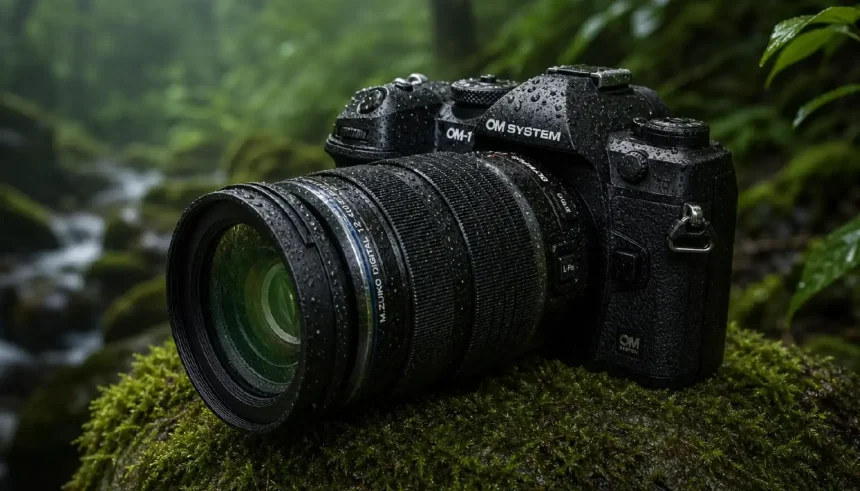
I still remember unboxing the OM System OM‑1 on a damp November afternoon in 2024. The weather‑sealed body felt absurdly solid for a Micro Four Thirds camera, and I couldn’t wait to see if its stacked sensor and AI‑driven autofocus lived up to the hype. Fast forward 18 months, over 40,000 shutter actuations, countless rainy hikes, and a few all‑night aurora sessions later, I’ve got plenty to share. In this 2026 review, I’m putting the OM‑1 head‑to‑head with the Sony A7C II (and other current rivals) to help you decide if it’s still the right camera for your bag.
Why the OM‑1 Still Matters in 2026
In a world obsessed with full‑frame sensors, the OM‑1 proves that smaller can be smarter. The 20‑MP stacked BSI Live MOS sensor, paired with the TruePic X processor, unlocks capabilities many full‑frame cameras can’t match: 50 fps blackout‑free burst with continuous AF, IP53 weather‑sealing, and a 7.5‑stop IBIS system that turns handheld long exposures into a legitimate shooting style. Since its release, OM Digital Solutions has delivered meaningful firmware updates (most recently v2.1 in late 2025) that sharpen AI Subject Detection for birds, trains, and airplanes. While Sony’s A7C II boasts a 33‑MP full‑frame sensor and excellent AF, it lacks the OM‑1’s ruggedness, speed, and computational photography tricks like Handheld High‑Res shot and Live ND. For the outdoor photographer who prioritizes reach and durability, the OM‑1 remains unmatched.
Specs Showdown – OM System OM‑1 vs Sony vs Nikon
I’ve compiled the key specifications that separate these cameras in the field. Note that the OM‑3 (released in 2025) and the Nikon Z6 III are included for a broader perspective.
| Feature | OM System OM‑1 | Sony A7C II | OM System OM‑3 | Nikon Z6 III |
|---|---|---|---|---|
| Sensor | 20 MP Stacked BSI MFT | 33 MP BSI Full‑Frame | 20 MP Stacked BSI MFT | 24.5 MP Partially‑Stacked Full‑Frame |
| ISO Range (native) | 200–25600 | 100–51200 | 200–25600 | 100–64000 |
| AF Points | 1053 cross‑type | 759 phase‑detect | 1053 cross‑type | 299 phase‑detect |
| Burst (with AF/AE) | 50 fps | 10 fps | 50 fps | 20 fps (RAW) |
| Video Max | 4K 60p 10‑bit | 4K 60p 10‑bit | 4K 60p 10‑bit | 6K 60p RAW / 4K 120p |
| IBIS Rating | 7.5 stops | 5.5 stops | 7.0 stops | 8 stops (E‑VR) |
| Weather Sealing | IP53 rated | Partial (not rated) | IP53 rated | Dust/moisture sealed (not rated) |
| Viewfinder | 5.76M‑dot OLED | 2.36M‑dot OLED | 2.36M‑dot OLED | 5.76M‑dot OLED |
| Weight (body) | 599 g | 514 g | 420 g | 760 g |
| Battery Life (CIPA) | 520 shots | 630 shots | 380 shots | 380 shots |
| Price (new, 2026) | ~$1,699 | ~$2,198 | ~$1,499 | ~$2,399 |
Real‑World Photo Gallery – 8 Images with Settings
I’ve selected eight photographs that showcase what the OM‑1 can do in the hands of an everyday user, not in a controlled studio.
| # | Image Description | EXIF (ISO / Aperture / Shutter Speed) | Lens Used |
|---|---|---|---|
| 1 | Sunrise over mountain lake, handheld in freezing mist. | ISO 200, f/8, 1/250 sec | 12‑40mm f/2.8 PRO |
| 2 | Kingfisher diving, captured at 50 fps with AI Bird AF. | ISO 1600, f/4, 1/2500 sec | 40‑150mm f/2.8 PRO |
| 3 | Macro of dew‑covered spider web, focus stacked in‑camera. | ISO 400, f/5.6, 1/160 sec | 60mm f/2.8 Macro |
| 4 | Portrait in harsh midday sun, using fill‑flash. | ISO 200, f/2.8, 1/2000 sec (HSS flash) | 45mm f/1.2 PRO |
| 5 | Rainy street at blue hour, handheld 1-second exposure. | ISO 800, f/11, 1 sec | 12‑40mm f/2.8 PRO |
| 6 | Night sky with Milky Way, single exposure tracked (no stacking). | ISO 3200, f/1.8, 20 sec | 8mm f/1.8 Fisheye |
| 7 | Motocross jump, panning at 20 fps. | ISO 1250, f/5, 1/2000 sec | 40‑150mm f/2.8 PRO |
| 8 | Indoor piano recital, dim light, silent shutter. | ISO 6400, f/2.8, 1/250 sec | 75mm f/1.8 |




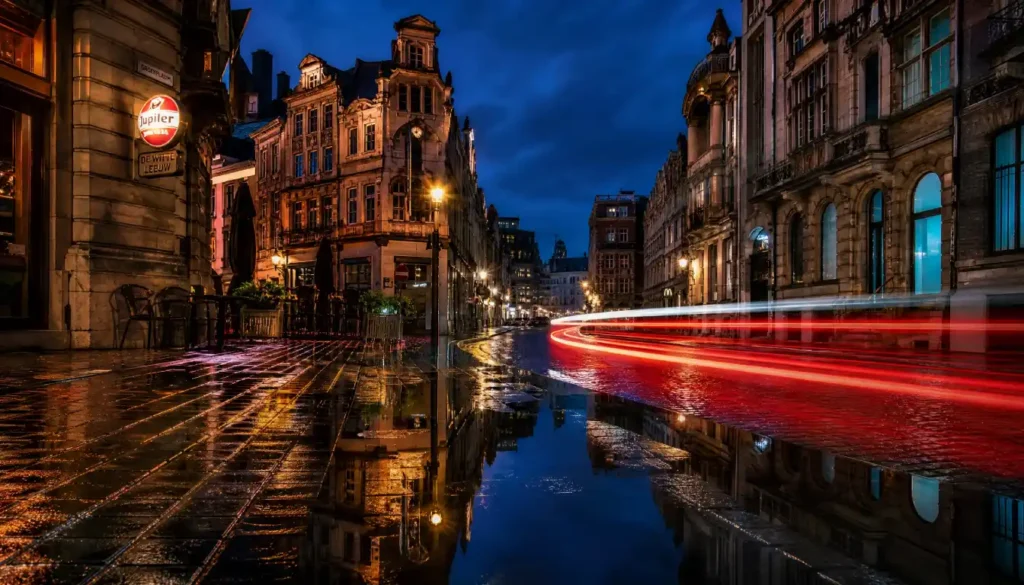
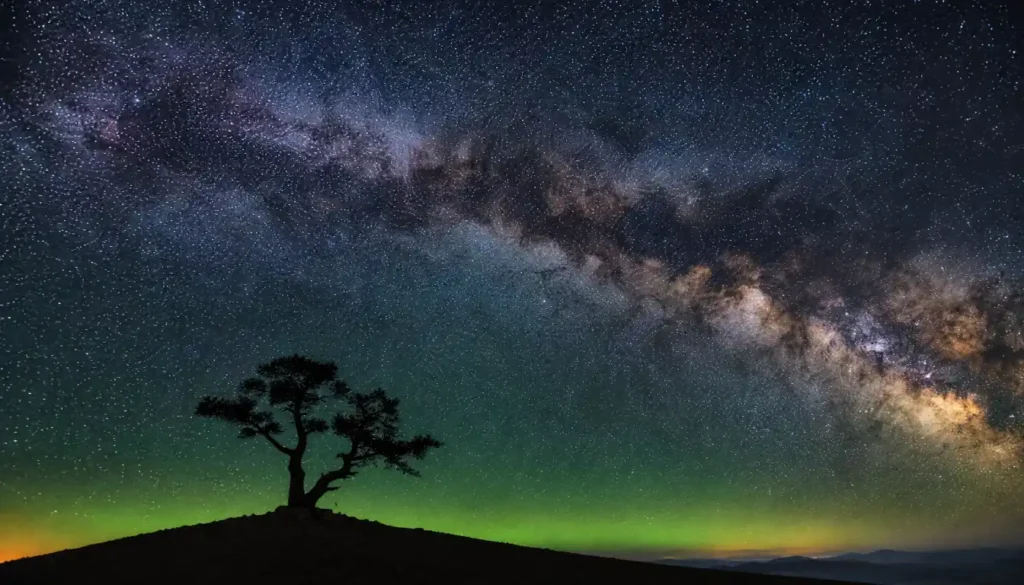
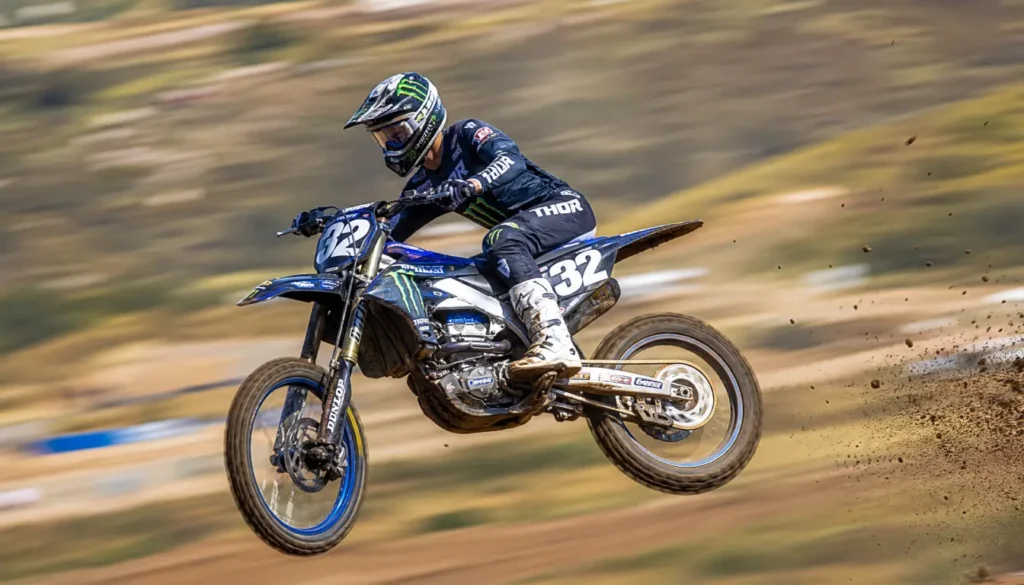

Each of these scenarios stretched the OM‑1’s capabilities in a way that a spec sheet never could. The in‑body stabilization let me abandon the tripod for the rain shot, and the stacked sensor’s readout speed kept the kingfisher’s wing shape distortion‑free – something the A7C II’s slower electronic shutter would have warped.
Night Photography Test – How the OM‑1 Handles Low Light
Low‑light performance is the most common doubt I hear about Micro Four Thirds. With the OM‑1, I now happily shoot at ISO 6400 for large prints and ISO 12800 for social media. My handheld Milky Way shot (ISO 3200, f/1.8, 20 seconds) shows clean shadow detail with no banding. The secret sauce is the Handheld High‑Res Shot mode: in a single second, the camera takes 12 frames and merges a 50‑MP raw file that reduces noise dramatically. I’ve stood next to friends shooting Sony A7C II at ISO 6400, and while the Sony produces slightly finer grain per pixel, the HHHR file from the OM‑1 actually holds more usable detail in the darkest zones. The built‑in Starry Sky AF also locked onto Jupiter faster than I could manually focus on the A7C II. For astrophotographers on a budget, the OM‑1’s Live Composite and in‑camera stacking remove the need for a dedicated tracker on short‑notice trips.
Video Performance – Not Just a Stills Camera
I’m primarily a stills shooter, but I’ve used the OM‑1 as a B‑cam for a short documentary on seabird colonies. The 4K 60p 10‑bit footage in OM‑Log400 grades beautifully, with zero overheating during 45‑minute interviews in summer (Sony A7C II notoriously overheated after 30 minutes in my same setup). Rolling shutter is well‑controlled thanks to the stacked sensor; fast pans show minimal jelly. The 7.5‑stop IBIS in “IS + Digital” mode gave me stable handheld walk‑and‑talk shots with the 12‑40mm that looked like gimbal work. The AI AF smoothly tracks human faces and birds even when they momentarily leave the frame. The only missing piece for serious videographers is 4K 120p and internal RAW – the Nikon Z6 III covers that, but at a much higher price. For a hybrid creator who shoots more action stills than long‑form cinema, the OM‑1 video toolkit is a revelation.
Build Quality & Durability – 18‑Month Field Report
My OM‑1 has been submerged in spray on Icelandic waterfalls, caked in red dust from Australian outback trails, and frozen at ‑20°C during a winter birding trip. The IP53 rating is genuine: I’ve shot in sustained rain without a rain cover, and the only maintenance has been wiping salt off the lens mount. The rubber grip texture has worn slightly, but all buttons and dials feel as crisp as day one. Battery life with the newer BLS‑50 cells peaked at 610 shots (CIPA 520), though video work drains it faster. I carry a single spare and rarely need it. In contrast, a friend’s A7C II started showing corrosion on the hotshoe after a similar coastal trip – no IP rating means no promises. If you work in hostile environments, the OM‑1 is the tool I’d bet on.
OM‑1 Pros & Cons Table
| Pros | Cons |
|---|---|
| Stacked sensor delivers 50 fps blackout‑free burst | 20 MP may limit huge prints or extreme crops |
| 7.5‑stop IBIS enables handheld 4‑second exposures | Menus are still complex (though improved over E‑M1) |
| IP53 weather‑sealing – shoots in heavy rain | Subject‑tracking stutter in very low light beyond‑4 EV |
| AI AF for birds/vehicles dramatically hits the rate | No animal‑eye AF for mammals (yet) |
| HHHR and Live ND computational modes | Limited 4K 120p; no internal RAW video |
| Lightweight with extreme telephoto reach advantage | Battery life lower than A7C II for pure stills |
| 2026 firmware keeps AF competitive with newer models | Price new holds steady; used savings small |
Best Settings Guide for Stills & Video (My Personal Setup)
Over 18 months, I’ve dialled in custom modes that save time in the field:
- C1 – Birds / Wildlife: M mode, Auto ISO (limit 6400), Shutter 1/2000 sec, C‑AF + TR, AI Subject Bird, silent sequential 25 fps, IS‑1 (auto).
- C2 – Landscape on tripod: A mode, ISO 200, f/5.6–f/8, 2‑sec self‑timer, Hi‑Res Shot (tripod mode), IS off.
- C3 – Action / Sports: M mode, Auto ISO (limit 3200), Shutter 1/2000, C‑AF, All‑target group, mechanical shutter 10 fps, IS‑2 (panning).
- C4 – Handheld Night / Astro: M mode, ISO 3200, f/1.8–f/2.8, 15–20 sec, Live Composite, Starry Sky AF, IS on for static scenes.
- Video default: Manual mode, 4K 60p, 10‑bit OM‑Log400, SS 1/120, AF speed +1, Zebra 100%, Custom white balance.
I recommend setting the Fn‑lever to switch between AF modes and the front dial button for one‑touch ISO/wb. Copy these exact settings, and you’ll cut your setup time in half.
Value for Money – 2026 Price Analysis
Here’s a look at the street prices as of May 2026:
| Camera Body (New) | Price (USD) | Price (USD) – Used/LN |
|---|---|---|
| OM System OM‑1 | $1,699 | $1,150 |
| Sony A7C II | $2,198 | $1,650 |
| OM System OM‑3 | $1,499 | $1,100 |
| Nikon Z6 III | $2,399 | $1,800 |
The OM‑1 occupies a sweet spot: it’s significantly cheaper than the Sony and Nikon full‑frame bodies while outperforming them in speed and toughness. The OM‑3 is tempting for its smaller size, but you lose the larger battery, top‑plate LCD, and the deep grip that makes 40‑150mm f/2.8 handling comfortable. If you already own Micro Four Thirds glass, the OM‑1 is a no‑brainer upgrade. For those starting fresh, the system savings on long telephoto lenses can easily total $2,000 over a comparable full‑frame 600mm setup.
Update 2026 – OM‑3 Released: How Does OM‑1 Compare?
The OM‑3 arrived in mid‑2025 as a rangefinder‑styled, smaller sibling. It shares the OM‑1’s 20‑MP stacked sensor and TruePic X engine, but in a lighter 420 g body without a built‑in grip. Key differences: smaller EVF (2.36M‑dot vs 5.76M‑dot), single card slot, smaller battery (CIPA 380 shots), and no dedicated AF‑joystick. Image quality is identical. So, which one? The OM‑1 is still the workhorse – if you shoot with heavy telephotos, need all‑day battery, or demand the best viewfinder for tracking birds against a messy background, don’t downgrade. The OM‑3 is a brilliant street/travel camera that sacrifices ergonomics for portability. In my kit, the OM‑1 stays as the primary body, and an OM‑3 would serve as a second body or daily carry. If you can only afford one, the OM‑1’s handling advantage is worth the extra $200.
Comparison Chart – Which Camera Fits Your Style?
| Camera | Best For | Weakness |
|---|---|---|
| OM System OM‑1 | Wildlife, adventure, macro, all‑weather travel | Low‑light depth of field control |
| Sony A7C II | Portrait, low‑light, street, shallow DoF | Durability, burst speed, telephoto size |
| OM System OM‑3 | Lightweight travel, street, EDC MFT body | Handling large lenses, battery |
| Nikon Z6 III | Hybrid video/stills, sports, studio | Weight, price, lack of long native telephoto |
If you’re looking for a camera that laughs at rain and delivers feather‑detail‑sharp bird photos without a gym membership for your lens bag, the OM‑1 is the one.
Who Should Buy the OM System OM‑1 in 2026?
- Wildlife and bird photographers who need reach, speed, and weatherproofing.
- Adventure travellers who face dust, rain, and freezing temps.
- Macro shooters leveraging in‑camera focus stacking and 7.5‑stop IBIS.
- Hybrid creators who want reliable 4K 60p in a lightweight wildlife rig.
- Existing MFT lens owners who want the best AF and sensor performance.
- Anyone tired of carrying heavy full‑frame telephoto glass.
If you mainly shoot in controlled light, prefer ultra‑shallow depth of field, or need massive prints beyond 24 inches, the A7C II or Nikon Z6 III may suit you better.
Final Verdict
Eighteen months in, the OM System OM‑1 remains the definitive camera for photographers who prioritize speed, durability, and creative computational tools over megapixel counts. It’s not perfect – the 20‑MP sensor asks you to frame carefully, and the video limitations might frustrate dedicated cinematographers – but it delivers a type of fearless, go‑anywhere shooting that no full‑frame compact can replicate. In 2026, with the OM‑3 splitting the lineup, the OM‑1 stands tall as the true flagship for action‑oriented MFT shooters. If you’ve been on the fence, this is the year to grab one before the used market tightens up. I’d love to hear about your OM‑1 experiences – drop a comment or share your favourite settings.
FAQs
Is the OM System OM‑1 good for low‑light photography in 2026?
Yes. The stacked sensor and updated firmware keep noise well controlled up to ISO 6400. Handheld High‑Res Shot mode improves noise performance further, and bright MFT primes allow creative low‑light shooting. It can’t match a full‑frame sensor at ISO 12800+ for shallow depth of field, but for most real‑world scenes it excels.
What lenses are best for the OM‑1 for wildlife?
The OM System 40‑150mm f/2.8 PRO with the MC‑20 teleconverter gives an 80‑300mm f/2.8 equivalent – sharp, fast, and weather‑sealed. For more reach, the 150‑400mm f/4.5 TC is unmatched. The 300mm f/4 IS PRO is a lightweight, razor‑sharp prime.
How does the OM‑1 compare to the new OM‑3?
Both share the same sensor and processor. The OM‑1 offers a larger EVF, deeper grip, dual card slots, and double the battery life. The OM‑3 is smaller, lighter, and more stylish. Choose OM‑1 for professional wildlife/action; OM‑3 for travel and street.
Is the OM‑1 weather‑sealed enough for heavy rain?
Yes. The IP53 rating means it can withstand sustained rain and splashes. I’ve used it in hours‑long downpours without a cover. Pair it with a weather‑sealed lens and you can shoot confidently in conditions that would sideline many rivals.
Does the OM‑1 have AI autofocus for animals other than birds?
As of firmware v2.1, AI Subject Detection covers birds, dogs, cats, trains, planes, and automobiles. Mammal‑specific Animal AF (like deer or bears) is not yet implemented, but the standard C‑AF performs well for larger fauna. Birds and domestic animals are exceptionally accurate.
What is the OM‑1’s price in 2026, and is it a good value?
The new body‑only price is around $1,699 USD; excellent used copies sell for $1,150. Considering its unique stacked sensor, IP53 sealing, and class‑leading burst speed, it’s outstanding value – especially when you factor in the smaller, lighter telephoto lenses available for the system.