
I still remember the first time I walked into my bathroom and got hit with that awful smell. Not a faint whiff, a full-on sewage odor that made me stop mid-step and wonder if something had gone seriously wrong.
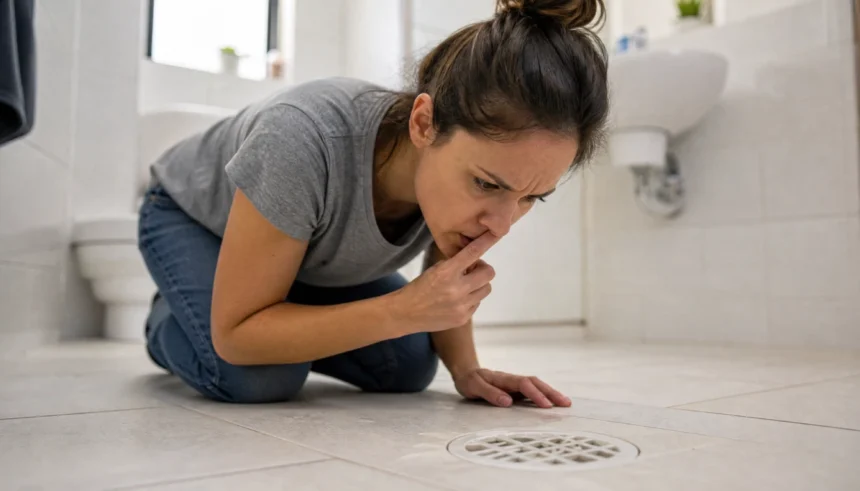
I checked the toilet. Nothing. I ran the faucet. Still there. I even got down on my knees to sniff the floor drain, which is not something I ever planned to do in my life.
If you have ever asked yourself, “Why does my house smell like sewage sometimes?” you are not alone. This is one of the most common and confusing home problems out there. It comes and goes, which makes it even harder to track down.
The good news? Most causes are surprisingly simple to find and fix. Here are 7 easy checks you can do today, no plumber required (at least not yet).
What Is That Smell, Exactly?
Before we get into the checks, it helps to know what you are actually smelling.
That sewage odor in your home usually comes from sewer gas, a mix of gases produced when waste breaks down inside your plumbing system. The main culprit is hydrogen sulfide, which smells like rotten eggs.
Sewer gas is not just unpleasant. In high concentrations, it can cause headaches, nausea, and dizziness. So if you notice an intermittent sewage smell in your house, it is worth taking seriously.
The tricky part is that the smell can come and go. It might only show up when it rains, when the HVAC kicks on, or after you have been away for a few days. That is completely normal, and it actually helps you narrow down the cause.
7 Easy Checks for That Sewage Smell in Your House
Check 1: Look for a Dry P-Trap
This is the most common cause of intermittent sewer smell in a house, and most people have never heard of it.
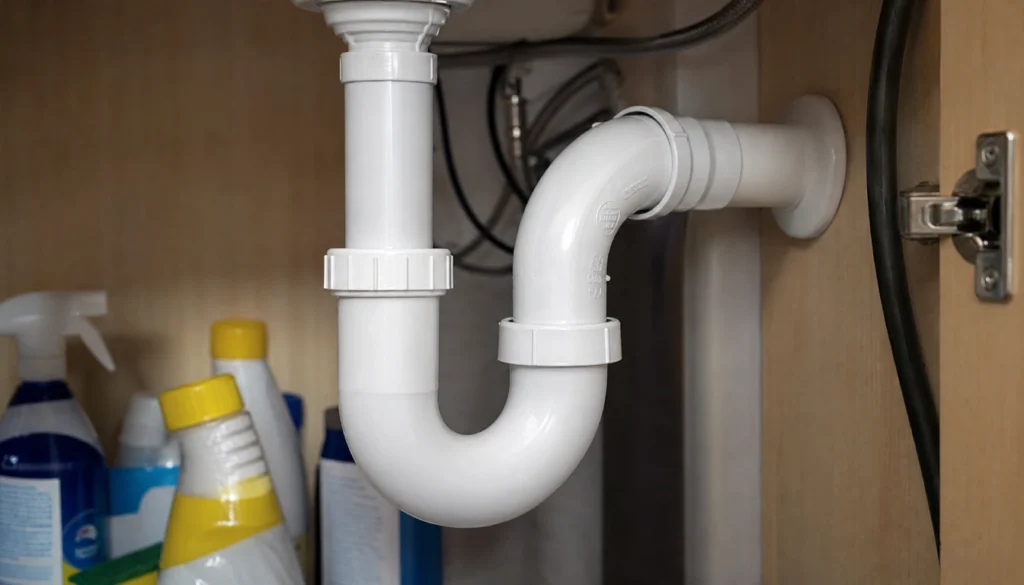
A P-trap is the curved pipe under your sink, shower, or floor drain. It holds a small amount of water that acts as a barrier between your home and the sewer system. When that water evaporates (usually in drains you rarely use), sewer gas has a clear path straight into your home.
What to do: Run water in every sink, shower, and floor drain in your house, especially in guest bathrooms or basement drains. If the smell goes away within a day, a dry P-trap was likely your problem.
Pro tip: For floor drains you rarely use, pour a cup of cooking oil down after the water. The oil sits on top and slows evaporation.
Check 2: Inspect Your Toilet Wax Ring
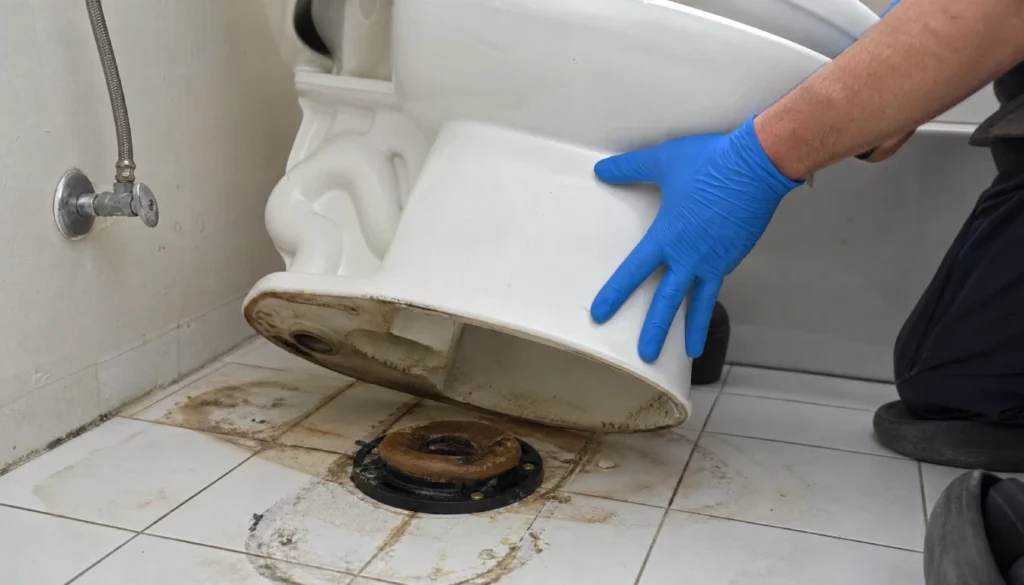
Your toilet sits on a wax ring that creates a seal between the toilet base and the drain pipe. Over time, that seal can fail, especially if the toilet rocks slightly when you sit on it.
A cracked or worn wax ring lets sewer gas leak out around the base of the toilet, which explains why your bathroom might smell like sewage randomly, even when the toilet looks perfectly fine.
What to look for: Gently push the toilet from side to side. If it moves, the wax ring may have failed. You might also notice moisture or discoloration around the base.
Fix: A wax ring replacement costs about $10 to $20 in parts. A plumber can do it in under an hour.
Check 3: Check Your Plumbing Vent
Your plumbing system has a vent pipe that runs up through your roof. It lets sewer gases escape outside instead of building up inside your pipes.
If that vent gets blocked by leaves, bird nests, or even snow in winter, the gases have nowhere to go. They get pushed back into your home through the drains, which is why you might notice an intermittent sewer odor when the HVAC turns on or when wind conditions change.
What to do: Carefully check your roof vent (or call a plumber to do it). Also look for gurgling sounds from your drains when you flush, which is a sign of a blocked vent.
Common seasonal trigger: This problem shows up more in fall and winter when debris is more likely to clog the vent opening.
Check 4: Run Water During or After Rain
Does your house smell like sewage after heavy rain? That is a very specific clue.
Heavy rain can raise groundwater levels and put pressure on the municipal sewer system. When the city sewer backs up even slightly, it can push odors back through your drain pipes and into your home.
What to do: Make sure all your floor drains have working backflow preventers. These small devices stop sewage from flowing back in the wrong direction. If yours are old or missing, a plumber can install new ones.
Also check that your basement floor drain is not showing any signs of a slow backup, especially after a heavy storm.
Check 5: Smell Around the Toilet Base and Tank
Sometimes the smell is not coming from the drain at all. It is coming from a loose connection or a cracked toilet tank.
Mineral buildup and old seals inside the toilet tank can produce odors over time. And if the connection between the toilet and the floor is not tight, sewer gas can seep through small gaps.
Quick test: Place a few drops of food coloring in the toilet tank without flushing. Wait 15 to 20 minutes. If the color shows up in the bowl, you leak the tank, which is worth fixing.
Check 6: Check Under the Kitchen and Bathroom Sinks
The P-trap under your kitchen sink can also dry out or develop a slow leak. It is easy to miss because the space is usually dark and filled with cleaning supplies.
Also check the cabinet walls under your sink for any gaps around the pipes where they enter the wall. These gaps can let sewer gas drift in from inside the wall cavity.
Fix: Foam pipe insulation or plumber’s putty can seal small gaps easily. You can pick both up at any hardware store for a few dollars.
Check 7: Look at the Drains You Rarely Use
Guest bathrooms. Laundry room drains. That random sink in the garage.
If your laundry room or guest bathroom smells like sewage, the answer is almost always a dry P-trap in a drain that does not get used often enough to stay wet.
Simple fix: Make it a habit to run water in every drain in your home at least once every two to three weeks. Set a reminder on your phone if you need to.
Quick Reference: Sewage Smell Causes at a Glance
| Symptom | Most Likely Cause | Quick Fix |
|---|---|---|
| Smell in unused bathroom | Dry P-trap | Run water in all drains |
| Smell only after rain | Sewer backup or blocked vent | Check the backflow preventer |
| Smell near the toilet base | Failed wax ring | Replace the wax ring |
| Smell when the HVAC runs | Blocked plumbing vent | Clear roof vent |
| Smell from the floor drain | Dry trap or no trap primer | Pour water and oil down the drain |
| Smell only at night | Dry P-trap or blocked vent | Run water, check vent |
| Smell from one room only | Localized leak or dry trap | Inspect that room’s drains |
When to Call a Plumber
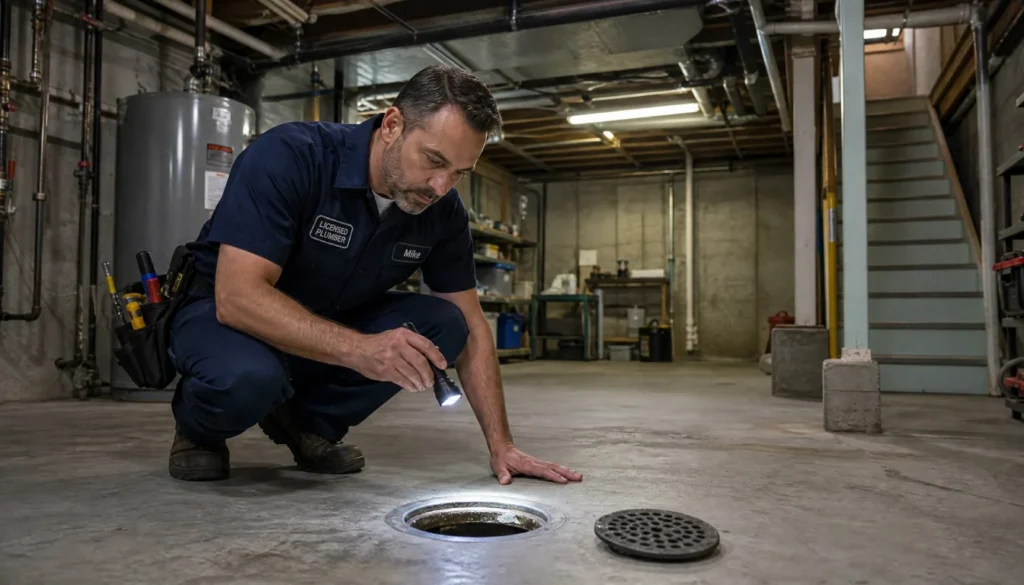
Most of these checks take less than 30 minutes and cost almost nothing. But there are times when you should bring in a professional.
Call a plumber if:
- The smell is strong and constant, not just occasional
- You see water damage, soft flooring, or staining near drains or toilets
- You suspect a broken sewer line under the house (you may need a camera inspection)
- The smell comes back within days of fixing a P-trap
- Your basement shows any signs of sewage backup
A sewer line camera inspection typically costs between $150 and $300 and can quickly rule out a major underground issue. It is worth every cent if the smell has been going on for weeks.
Frequently Asked Questions
Is sewer gas dangerous to breathe?
Yes, in high concentrations, it can be. Hydrogen sulfide at low levels causes odor and irritation. At higher levels, it can cause headaches, nausea, and in extreme cases, loss of consciousness. Always ventilate the area and investigate the source quickly.
Why does my house smell like sewage only at night?
Nighttime is usually quieter and cooler, which can make smells more noticeable. It can also be related to dry P-traps, since less water flows through drains in the evening to refresh the water seal. Try running water in all drains before bed for a few nights.
Why does my guest bathroom smell like sewage if nobody uses it?
This is a classic dry P-trap situation. When a bathroom sits unused for a week or more, the water in the P-trap evaporates, and sewer gas enters the room. Run water in that bathroom once a week to keep the trap full.
Can a sewer smell mean something is wrong with the septic tank?
Yes. If you have a septic system and notice a persistent outdoor or indoor odor, especially after heavy rain, the tank may need pumping, or there could be a ventilation issue. Have the tank inspected if it has not been pumped in the last 3 to 5 years.
Why does my house smell like sewer gas when the HVAC runs?
Your HVAC system pulls air from throughout the house and distributes it. If there is sewer gas near a return air vent (often in a hallway or near a floor drain), the system picks it up and spreads it. A blocked plumbing vent or dry P-trap near a return vent is usually the cause.
You Can Fix This
That sewage odor in your home feels overwhelming at first, especially because it disappears and comes back without warning. But now you know the most common causes and exactly where to look.
Start with the simplest check: run water in every drain you have not used recently. That fix alone solves a large percentage of intermittent sewer smell problems. Then work through the rest of the list.
If you find the source, let me know in the comments. And if you are stuck after checking everything on this list, it is time to call a plumber who can do a proper sewer scope inspection.
You are not imagining the smell. And you are closer to fixing it than you think.