
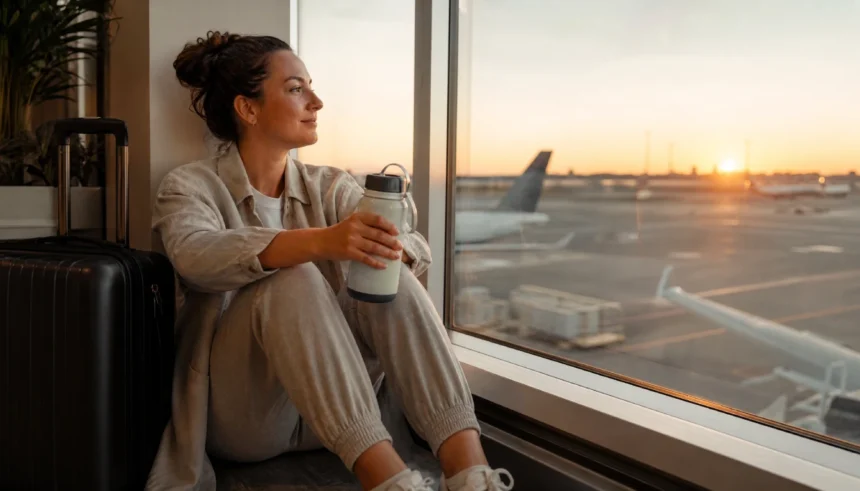
I still remember landing in London after a 13-hour flight from Los Angeles. It was 8 AM local time. The city was wide awake. I was not.
My body was convinced it was midnight. My eyes burned. My head felt like it was wrapped in cotton wool. I had a full day of meetings starting in two hours, and I could barely string a sentence together.
Sound familiar?
Jet lag is one of the most frustrating parts of long-haul travel. You plan the trip for months, arrive at your dream destination, and then spend the first two days in a foggy, exhausted haze. It feels like your body is working against you.
The good news: you do not have to rely on sleeping pills or expensive supplements to fix it. There are real, natural ways to prevent jet lag before you even board the plane, and keep it from ruining your trip once you are in the air.
This article covers everything, from resetting your circadian rhythm days before departure to what to eat, drink, and do during your flight.
Why Jet Lag Happens (And Why Some Trips Hit Harder Than Others)
Your body runs on an internal clock called the circadian rhythm. It is controlled by a tiny cluster of cells in your brain called the suprachiasmatic nucleus. This clock regulates when you feel sleepy, when you feel alert, when you digest food, and even when your body temperature rises or dips.
When you cross multiple time zones, your internal clock is still running on your home schedule. Your body is confused. That is jet lag.
Here is the part most people do not know: traveling east is harder than traveling west. When you fly east, you are shortening your day and forcing your body to fall asleep earlier than it wants to. When you fly west, your day gets longer, which is more natural for the body to adjust to.
So if you are flying from New York to London, brace yourself. That westward trip back home will feel much easier.
Start Before You Leave: Adjust Your Sleep Schedule
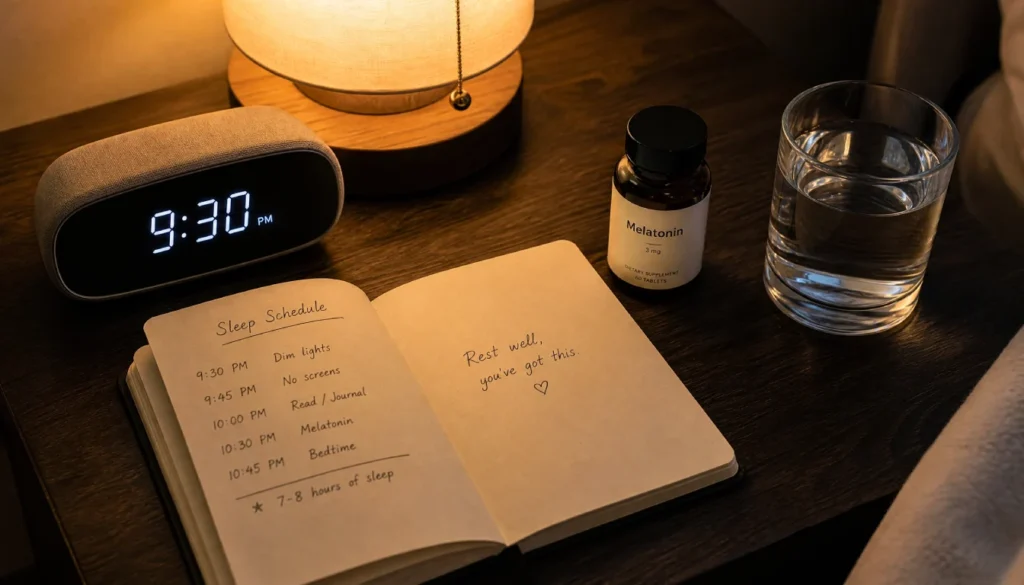
One of the most effective natural jet lag prevention strategies costs nothing. Start shifting your sleep schedule three to four days before your flight.
- Flying east? Go to bed 30 to 60 minutes earlier each night.
- Flying west? Push your bedtime 30 to 60 minutes later each night.
It feels small, but this gradual body clock entrainment makes a real difference. By the time you land, your body is already partway adjusted to the new time zone.
If you are crossing more than six time zones, start shifting even earlier. Athletes and professional travelers do this routinely. It works.
Use Sunlight to Reset Your Body Clock

Light is the most powerful signal your body uses to regulate sleep and wakefulness. Natural light therapy is one of the best tools you have for beating jet lag without any medication.
Here is how to use it:
- After flying east, get bright morning sunlight as soon as you arrive. Step outside early. Eat breakfast near a window.
- After flying west, seek out afternoon and evening sunlight instead.
Avoid bright light at the wrong times. If you just landed from a westward flight and it is late afternoon locally, do not sit under harsh artificial lights at night. That will delay your adjustment.
Apps like Timeshifter or Entrain use the science of light exposure to give you a personalized schedule. They are worth using for long trips.
Natural Melatonin: Timing Matters More Than Dosage
Melatonin is a hormone your body produces naturally when it gets dark. It signals to your brain that it is time to sleep. Taking a small amount can help nudge your body clock in the right direction.
The key is timing, not the dose.
- A low dose of 0.5 to 1 mg is usually enough. Higher doses can leave you groggy.
- Take it at your destination’s local bedtime, not when you feel tired.
- Start the night before you travel if you are crossing more than five time zones.
Natural melatonin for jet lag works best when combined with light exposure. They are two sides of the same process. One says, “It is day,” the other says, “It is night.” Use both.
Hydration: The Simplest Thing Most Travelers Ignore
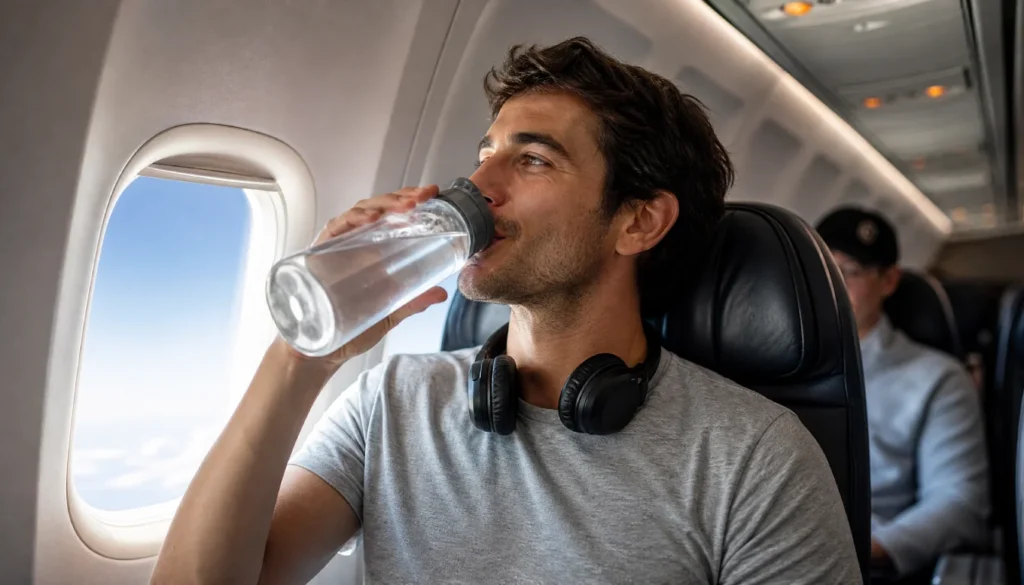
Airplane cabins run at around 12 to 15% humidity. Your home or office is typically 30 to 50%. That difference is significant. Dehydration makes every jet lag symptom worse, including fatigue, brain fog, and headaches.
Drink water consistently throughout your flight. A good rule of thumb is 250ml (about 8 oz) for every hour you are in the air. That might sound like a lot, but most people drink far less than they think they do on flights.
What to drink on a plane to avoid jet lag:
- Still water, consistently throughout the flight
- Coconut water, if you want natural electrolytes
- Herbal teas like chamomile or peppermint, especially before sleep
What to avoid:
- Alcohol (it disrupts sleep quality and worsens dehydration)
- Caffeine within six hours of your planned sleep time
The caffeine and jet lag connection is real. Caffeine can be helpful to stay alert at the right times, but if you drink it at the wrong point in your flight, it delays your body clock adjustment.
What to Eat Before and During Your Flight
Food timing affects your circadian rhythm more than most people realize. Your digestive system runs on its own internal clock, and what you eat and when sends signals to your body about what time it is.
Before your flight:
- Eat a light, protein-rich meal two to three hours before departure.
- Avoid heavy, greasy, or high-sugar meals. They cause energy crashes mid-flight.
- Some research suggests that fasting for 12 to 16 hours before landing, then eating at your destination’s local meal time, can help reset your body clock fast.
During your flight:
- Eat in alignment with your destination’s meal times, not your home schedule.
- Choose lean proteins, vegetables, and complex carbohydrates.
- Avoid salty snacks, which increase dehydration.
Foods like tart cherry juice, walnuts, and kiwi contain natural compounds that support melatonin production and sleep quality. Worth adding to your pre-flight routine.
Move Your Body Before and During the Flight
An exercise to prevent jet lag is backed by real research. Physical activity helps shift your circadian rhythm and improves sleep quality.
Before your flight, get a workout in. Even a 30-minute walk increases your body’s ability to adapt. On the plane, movement keeps your circulation going and reduces travel fatigue.
In-flight movement tips:
- Walk the aisle every hour or so on long flights
- Do seated ankle circles, calf raises, and shoulder rolls
- Try a few simple in-flight yoga poses: seated twists, forward folds, and neck stretches all help circulation and reduce stiffness
If you arrive with enough energy, a short walk or light exercise in natural light at your destination works better than a nap at the wrong time.
Strategic Napping: When It Helps and When It Backfires
This one is tricky. A nap can save you on arrival day. It can also derail your whole adjustment if you do it wrong.
Rules for napping with jet lag:
- Keep naps to 20 to 30 minutes max. Longer naps push you deeper into a sleep cycle and leave you more groggy.
- Nap in the early afternoon at your destination, not after 3 PM local time.
- If you can stay awake until local bedtime, do it. That single good night of sleep in the new time zone often resets everything.
On the plane, the best time to sleep depends on your destination. If it will be night when you land, sleep on the plane. If it will be daytime, stay awake and use the flight to shift your schedule forward.
Supporting Your Body With Natural Remedies
A few natural options have solid support for helping with jet lag fatigue and sleep quality:
- Magnesium glycinate: Supports relaxation and deep sleep. Take it 30 minutes before your target sleep time.
- Ashwagandha: An adaptogenic herb that helps reduce fatigue and stress from travel disruption.
- Tart cherry juice: A natural source of melatonin-supporting compounds. Drink a small glass before sleep.
- Chamomile tea: Mild calming effect. Good as part of a wind-down routine on the plane.
Grounding or earthing (walking barefoot on grass or soil after landing) has some early research behind it for reducing oxidative stress and improving sleep. It sounds unusual, but it takes two minutes and costs nothing.
Quick Reference: Natural Jet Lag Prevention by Phase
| When | What to Do |
|---|---|
| 3-4 days before | Shift sleep schedule toward destination time zone |
| Day before flight | Exercise, eat light, reduce alcohol and caffeine |
| During flight | Hydrate, set the watch to the destination time, and eat by the destination schedule |
| On arrival (daytime) | Get sunlight, stay awake until local bedtime |
| On arrival (nighttime) | Keep lights low, take low-dose melatonin, sleep |
FAQ
How long does jet lag last naturally without doing anything?
For most people, one day per time zone crossed. So a five-hour time difference takes about five days to fully resolve without intervention.
Can you train your body to avoid jet lag?
Yes, to a degree. Frequent travelers who consistently use light exposure, sleep schedule shifting, and hydration strategies adapt faster over time.
Does age affect jet lag severity?
Yes. Older adults tend to have less flexible circadian rhythms, so recovery takes longer. The same natural strategies still work, but they may need to start earlier.
Is sunlight really the best cure for jet lag?
It is one of the most powerful tools available. Light is the primary signal that controls your circadian rhythm. Getting it at the right time is often more effective than any supplement.
Should you stay up before a flight to sleep on the plane?
Sometimes. If you are flying overnight and want to sleep on the plane, staying up a little later the night before can help. But avoid sleep deprivation before long-haul flights. Arriving exhausted makes adjustment harder, not easier.
Final Thoughts
Jet lag does not have to steal the first days of your trip. The strategies here- shifting your sleep before departure, using light exposure, staying hydrated, eating smart, and moving your body, work together to help your internal clock adjust as quickly and naturally as possible.
You do not need pills. You do not need expensive gadgets. You need a plan and a bit of patience.
Start a few days before you travel. Stay consistent on the plane. And give your body a little grace on arrival. It is doing its best to catch up.
Have a long-haul trip coming up? Try one or two of these strategies and see how different you feel on the other side. Drop a comment below and let me know which ones worked for you. Your experience might help someone else survive their next big journey.