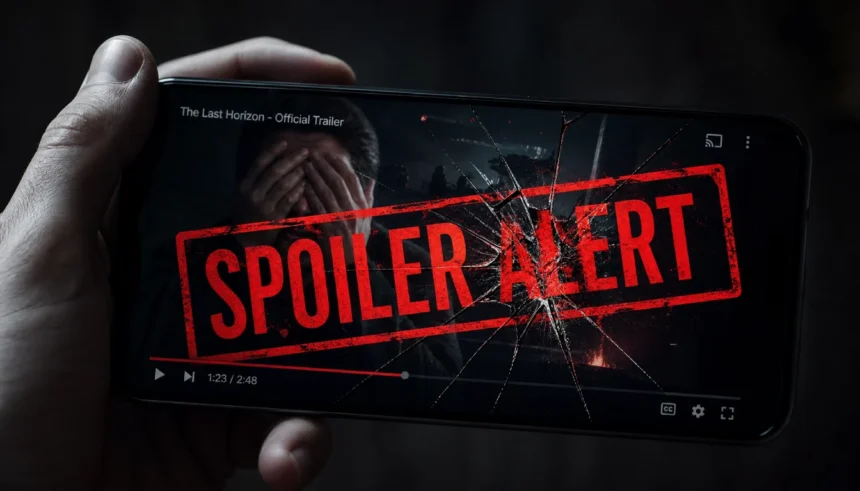
You sit down in a dark cinema, popcorn in hand, genuinely excited. Then the film starts, and beat by beat you recognize every major scene. The villain’s reveal? Saw it in the trailer. The emotional gut-punch in act three? Yep, that was in the two-minute cut on YouTube.
If you’ve been frustrated by why movie trailers give away too much lately, you’re not imagining it. Studios are deliberately building trailers this way, and there’s a documented, profit-driven reason behind it. This article explains exactly why it happens, names the worst offenders, and gives you a step-by-step plan to protect yourself from spoilers without giving up on movies entirely.
The Evolution of Trailers: From Tease to Tell-All
Early movie trailers barely showed you anything. A title card. A few dramatic shots. Maybe a line of dialogue. The job was simple: make people curious enough to show up.
Watch a trailer from the 1970s or 1980s, and you’ll notice something strange. You often have no idea what the plot actually is. Jaws (1975) had a teaser that was mostly ocean footage and ominous music. That was the whole pitch. It worked.
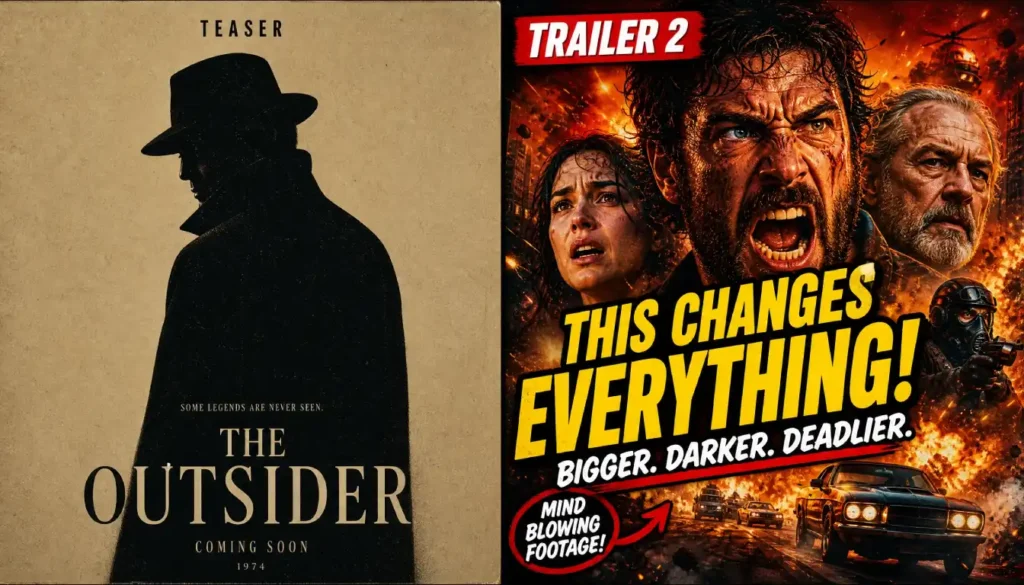
Fast forward to now. A modern “Official Trailer 2” runs two and a half minutes. It shows you the inciting incident, the midpoint reversal, the villain’s motivation, and usually a money shot from the third act. What’s left to discover in the cinema?
The shift happened gradually through the 1990s and accelerated in the 2000s as online video made trailers a standalone marketing product, not just a cinema warm-up. By the time YouTube hit 1 billion monthly users, trailers had become content competing for watch time, shares, and reaction videos. And that changed everything about how they were cut.
The Marketing Machine: Why Studios Spoil Their Own Movies
Studios don’t accidentally put too much in trailers. They do it on purpose, guided by research, and the data pushes them toward over-revelation every single time.
Focus Groups Demand Certainty (The Data)
Test audiences consistently respond better to trailers that show them enough plot to feel “safe” investing their time and money in a ticket. A 2018 study from the University of California San Diego found that people who read spoilers before consuming a story reported higher enjoyment ratings, not lower. Studios know this. Their marketing teams use it.
When a focus group watches a vague teaser, the most common feedback is: “I don’t really know what this is about.” That response scares studio executives. So editors add more. Then more. By the time the trailer passes testing, it’s a condensed three-act story in two minutes.
The Attention Economy: Fight for Clicks
Your attention is the product now. A trailer competes directly with YouTube Shorts, TikTok clips, and every other piece of video content on the planet. The first five seconds are make-or-break for watch completion.
Trailers that tease without revealing tend to underperform on click-through metrics compared to trailers that show recognizable characters doing exciting things. Platform algorithms reward watch time and shares. A spoiler-heavy trailer generates more reaction content, more discussion threads, and more “breakdown” videos, all of which feed the algorithm. The spoilers are, functionally, a growth strategy.
Do Movie Trailers Ruin the Movie Experience? (The Spoiler Paradox)
Here’s where it gets complicated. Research says spoilers might not ruin movies as much as you think, but that doesn’t mean you have to like them.
The UC San Diego study mentioned above is real and widely cited. Participants who knew plot outcomes in advance rated stories more favorably. The theory is that when you’re not anxious about what happens next, you can pay closer attention to craft: performances, cinematography, dialogue.
But there’s a catch. That research used relatively simple short stories, not two-hour blockbusters built on mystery and revelation. When your entire experience of watching The Sixth Sense or Parasite is predicated on not knowing what’s coming, pre-exposure to the twist genuinely changes the experience.
I can confirm this from personal experience. I watched Terminator Genisys (2015) in a cinema knowing the exact twist the film had been building toward for its entire first act, because the second official trailer had shown it outright. The reveal moment landed flat. Not because it was bad filmmaking, but because I’d already processed my reaction on a laptop three weeks earlier.
That’s the problem. Studios optimize for “getting people in seats” on opening weekend, not for the quality of the experience once they’re there. Those two goals aren’t always the same.
10 Infamous Trailers That Gave Away Everything
Not all trailers over-reveal equally. Some are genuinely notorious for this. Here are the ten worst offenders, with the specific damage each one did.
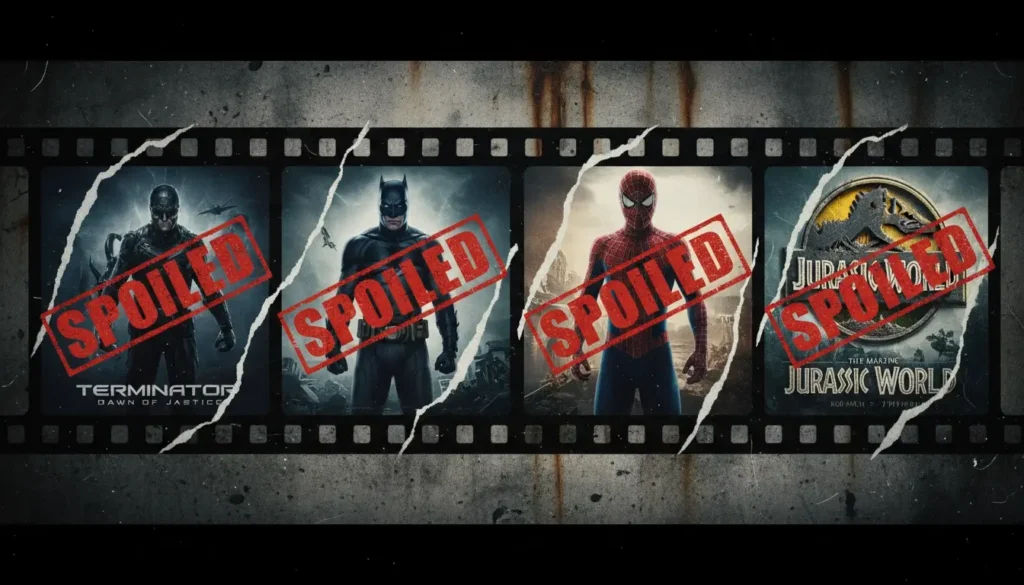
- Terminator Genisys (2015) – The trailer revealed that John Connor, the hero of the entire franchise, is the villain. The film’s entire third act hinged on this reveal. Gone.
- Batman v Superman: Dawn of Justice (2016) – Doomsday, the actual third-act antagonist, appeared in the trailer. The film was two and a half hours of setup for a battle everyone already knew was coming.
- The Amazing Spider-Man 2 (2014) – Three separate villain reveals in one trailer. The footage turned what should have been an escalating surprise into a grocery list.
- Jurassic World (2015) – The hybrid dinosaur’s design, abilities, and final battle sequence were all visible. The climax played like a confirmation rather than a revelation.
- Cast Away (2000) – The trailer showed Tom Hanks being rescued from the island. The rescue was the emotional destination of the entire film.
- Infinity War (2018) – Less the official trailers and more the marketing around them, but Thanos winning was all but confirmed by promotional material before release.
- Doctor Strange (2016) – The climactic trick Strange uses to defeat Dormammu appeared in a trailer, reducing the “how will he win?” tension to zero.
- Ant-Man and the Wasp (2018) – The end-credits scene, which was the entire point of the film’s timeline, was telegraphed by every piece of marketing.
- Arrival (2016) – The trailers gave away enough of the non-linear story structure that attentive viewers could decode the twist before sitting down.
- Passengers (2016) – Marketing positioned this as a survival thriller. The actual premise, a moral horror story, was never revealed. Audiences felt deceived in the opposite direction.
How to Avoid Trailers and Go in Blind: A Step-by-Step Guide
Whether you should stop watching movie trailers altogether is a question more people are asking seriously. The answer depends on your tolerance, but here’s the system I’ve used for the past three years, and it genuinely works.
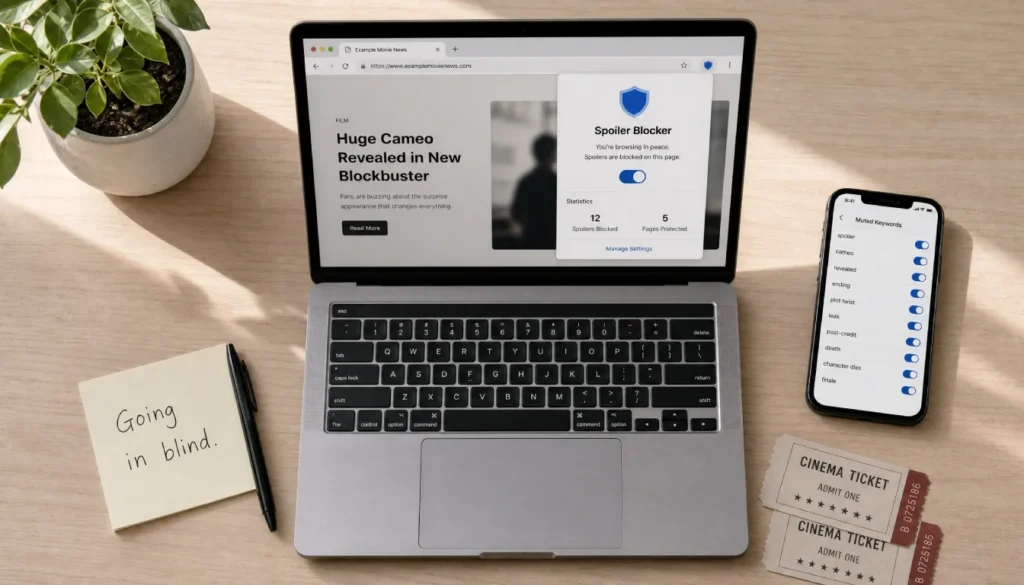
Step 1: Curate Your Social Feeds
Mute specific keywords on every platform you use.
- Twitter/X: Go to Settings > Privacy > Muted Words. Add “trailer,” “official trailer,” and the titles of upcoming films you care about.
- Reddit: Use the Reddit Enhancement Suite extension to filter post titles by keyword. Avoid r/movies in the weeks before a major release.
- TikTok: Long-press any trailer content, tap “Not Interested,” and do the same for reaction/breakdown accounts.
- Instagram: Use the “Snooze” feature on accounts that regularly post trailer content.
This step alone removes 80% of accidental spoiler exposure.
Step 2: Block Trailers on YouTube
YouTube is the biggest risk because trailers appear as recommended videos even when you’re watching something unrelated.
Install one of these browser extensions on Chrome or Firefox:
- Spoiler Protection 2.0 – Lets you add keywords and blur thumbnails or hide videos entirely.
- Unhook – Removes YouTube’s recommended feed so you only see what you search for deliberately.
- uBlock Origin can block specific YouTube channels (like studio channels) from appearing in your feed.
Set your YouTube homepage to show subscriptions only, and unsubscribe from studio channels until after you’ve seen the films you care about.
Step 3: Adopt the Teaser-Only Rule
Commit to one simple rule: you will only watch the first teaser trailer for any film. Not “Trailer 2.” Not “Official Trailer.” Not “Extended Look.” The first teaser.
First teasers are almost always 60 to 90 seconds. They’re cut to build curiosity, not to explain the plot. They rarely reveal third-act content because they’re released before the film is fully edited.
Tell the people you watch films with that you’re doing this, and ask them not to forward trailers or discuss marketing with you. Most people will respect it once you explain why.
Step 4: Use a Release Date Tracker
Apps like JustWatch and Letterboxd let you track films you want to see without exposing you to marketing. You can mark a film as “watchlisted” and set a reminder for its release date without ever engaging with its trailer campaign.
Letterboxd also has a community culture that’s generally more spoiler-conscious than mainstream social platforms.
A Glimmer of Hope? The Rise of Spoiler-Free Marketing
Not every studio is racing toward maximum spoiler disclosure. A few filmmakers have pushed back hard, and it has worked commercially.
Christopher Nolan has been vocal about protecting the experience of first viewing. Interstellar (2014), Dunkirk (2017), and Oppenheimer (2023) all had marketing campaigns that withheld significant plot details. Each was a box office success, which suggests you don’t need to spoil a film to sell tickets.
Marvel’s marketing for Avengers: Endgame (2019) was deliberately misleading. Scenes in the trailers were digitally altered to remove characters or change costumes. Audiences knew not to trust what they were seeing, which actually became part of the cultural conversation around the film.
And the rise of “spoiler-free review” culture on YouTube, with channels dedicated to recommending films without revealing plot, shows there’s genuine audience demand for this approach.
Studios pay attention to what audiences respond to. The more loudly the “we’re tired of spoiler trailers” conversation grows, the more likely marketing teams will adjust.
Frequently Asked Questions
Do movie trailers ruin the movie experience for everyone?
Not equally. Research suggests some viewers are less affected by spoilers than others. But for films built on mystery, revelation, or surprise, pre-exposure through trailers consistently reduces the emotional impact of those moments.
What trailers gave away the entire movie most notoriously?
Terminator Genisys and Batman v Superman are the most cited examples. Both revealed their major third-act surprises in official trailers released weeks before opening weekend.
Should I stop watching movie trailers entirely?
You don’t have to go completely cold turkey. The teaser-only approach, combined with keyword muting on social platforms, gives you enough information to decide whether to see a film without spoiling the experience of watching it.
Why do studios keep making spoiler-heavy trailers if fans complain?
Because opening weekend numbers, the primary metric studios use to judge success, are driven by people who watched the marketing. Hardcore fans who go in blind represent a smaller share of opening weekend than casual audiences who need to be convinced by plot-heavy trailers.
Conclusion
Why are movie trailers giving away too much lately? Because the marketing machine rewards it, focus groups ask for it, and the attention economy punishes ambiguity. Studios aren’t careless. They’re calculating.
But you have real options. Mute keywords on social media, install a YouTube spoiler blocker, and adopt the teaser-only rule. These three steps cost you nothing and protect the thing you actually paid for: the experience of watching a story without knowing how it ends.
I stopped watching full trailers in 2022. The first film I saw completely cold after doing that was a mid-budget thriller I’d heard almost nothing about. It was the most surprised I’d been in a cinema in years. That feeling is worth protecting.
If you’ve had a trailer ruin a film for you, leave a comment below with the movie and the moment. And if this guide helped you set up your spoiler-free system, share it with a friend who’s complained about the same thing.