
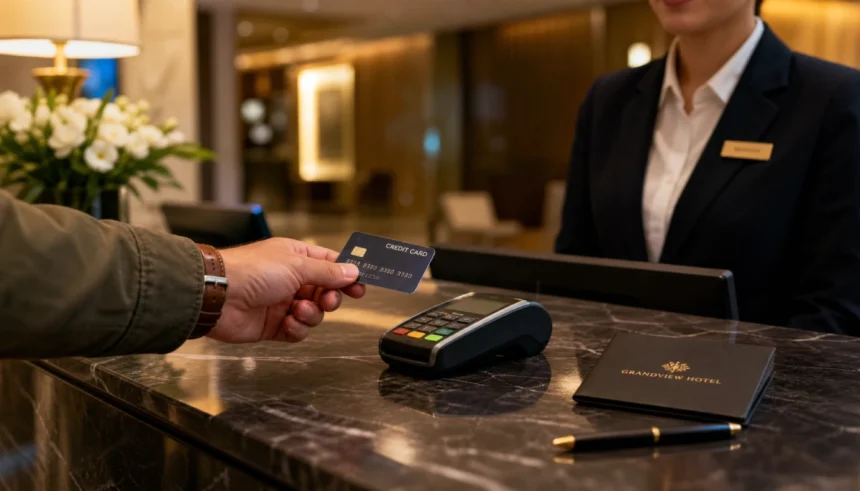
I still remember the moment clearly. I had just arrived at a hotel after a long flight, dragging my suitcase through the lobby, half-asleep and ready to collapse. The front desk agent smiled and said, “Can I get a credit card for incidentals?”
I handed over my debit card. Big mistake.
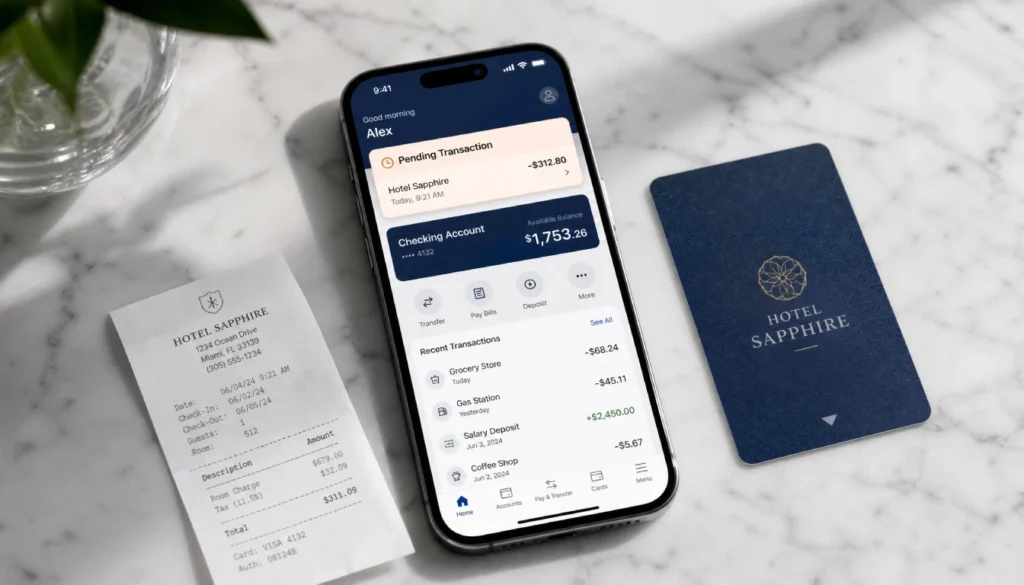
The next morning, I checked my bank app and saw a chunk of money missing. I panicked. Had I been charged twice? Was something wrong? Turns out, the hotel had placed a hold on my account, and because I used a debit card, that money was completely frozen.
If you’ve ever stood at a hotel front desk and wondered, “Why do hotels need a credit card?” you’re not alone. This guide breaks it all down, so you never get caught off guard again.
What Is a Hotel Credit Card Hold, Exactly?
When you check in, the hotel doesn’t actually charge your card right away. Instead, they place something called a pre-authorization, which is a temporary hold on a set amount of your available credit.
Think of it as the hotel “reserving” money, just in case.
The hold covers potential extra costs during your stay. If you leave without any additional charges, the hold is released, and you never pay that amount. If you ordered room service, broke something, or had a minibar snack at midnight, the hotel uses that hold to cover those costs.
A credit card hold is not a charge. It’s more like a placeholder.
Why Do Hotels Ask for a Credit Card at Check-In?
Hotels ask for a credit card at check-in for a few very practical reasons. None of them are arbitrary, and most are there to protect both you and the property.
To cover incidental expenses. This is the big one. Incidentals include things like room service, phone calls, parking, spa services, and minibar items. The hotel wants to know they can collect payment if you use any of these.
To secure the room against damage. If something gets broken or stained beyond normal wear and tear, the hotel needs a way to cover repair or replacement costs.
To protect against no-shows and late cancellations. Even if you’ve prepaid, a credit card on file is often required as a booking guarantee.
To verify your identity. A card in your name confirms you’re who you say you are, which is a basic security measure.
To comply with industry standards. Hotels follow Payment Card Industry (PCI) compliance rules, which include how they collect and handle your card information. Having a card on file is part of that process.
How Much Do Hotels Hold on Your Credit Card for Incidentals?
This varies a lot depending on the hotel. Budget hotels tend to hold less, while luxury properties can hold quite a bit more.
Here’s a general idea of what to expect:
| Hotel Type | Typical Incidental Hold |
|---|---|
| Budget / Motel | $50 to $100 per night |
| Mid-range Hotel | $100 to $200 per night |
| Upscale / Luxury | $200 to $500+ per night |
| Extended Stay | Varies; sometimes a flat weekly amount |
Always ask at check-in exactly how much the hotel is holding. You have every right to know.
Debit Card vs. Credit Card at Hotel Check-In: What’s the Difference?
This is where many travelers run into trouble, and it’s worth understanding before your next trip.
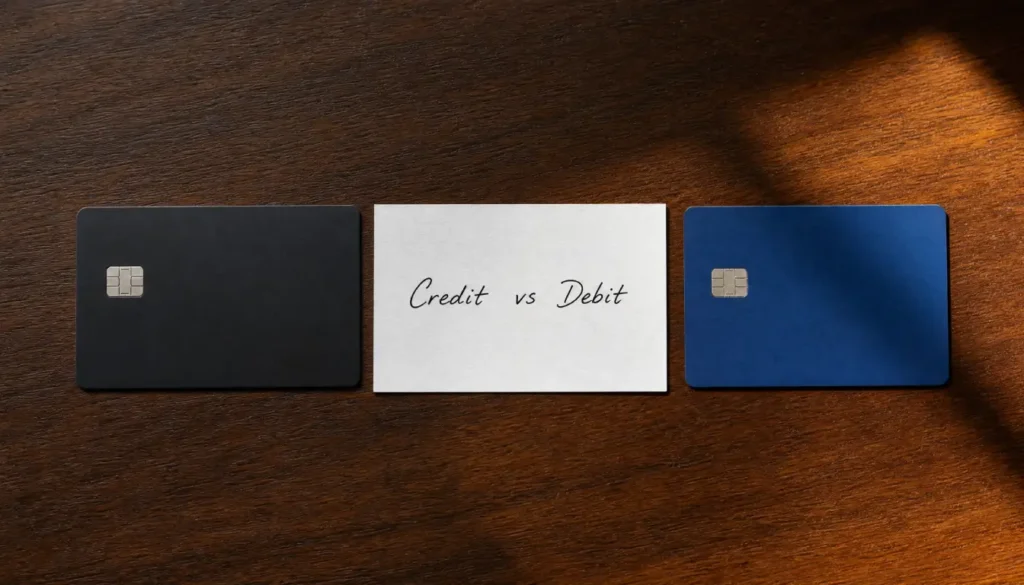
Credit cards place a hold on your available credit limit. Your actual bank account stays untouched. The hold drops off within a few business days after checkout.
Debit cards place a hold on real money sitting in your checking account. That amount is frozen and unavailable until the hotel releases it. Depending on your bank, this can take 3 to 10 business days.
If you’re traveling on a tight budget, a debit card hold can cause real problems. You might not be able to pay for meals, transportation, or emergencies while that money is locked up.
Whenever possible, use a credit card at hotel check-in. It’s safer, more flexible, and protects your liquid cash.
What Happens If You Don’t Have a Credit Card at Hotel Check-In?
Not everyone has a credit card, and that’s completely fine. But it does make hotel check-in a bit more complicated.
Some hotels will accept a debit card with a larger security deposit upfront, sometimes in cash. Others may allow prepaid Visa or Mastercard cards, though policies vary widely.
If you’re worried about checking into a hotel without a credit card, call ahead. Ask specifically what forms of payment they accept for the incidental hold. Some budget hotels and motels are more flexible than major chains.
You can also look for hotels that advertise cash-friendly or no-credit-card-required policies before you book.
How Long Does a Hotel Hold on Your Credit Card Last?
Most hotels release the hold within 3 to 7 business days after checkout. Some release it the same day. Others, especially if there were charges to sort out, may take up to 10 business days.
The hold release timing depends on two things: the hotel’s internal process and your bank’s processing speed. Even if the hotel releases the hold immediately, your bank might still show it as pending for a few days.
If the hold hasn’t dropped off after 10 business days, call your bank and ask them to follow up directly with the hotel’s merchant account.
Is a Hotel Credit Card Hold Safe?
Yes, for the most part. Hotels store your card information under strict PCI compliance rules. They’re required to protect your data and can only charge what you’ve agreed to.
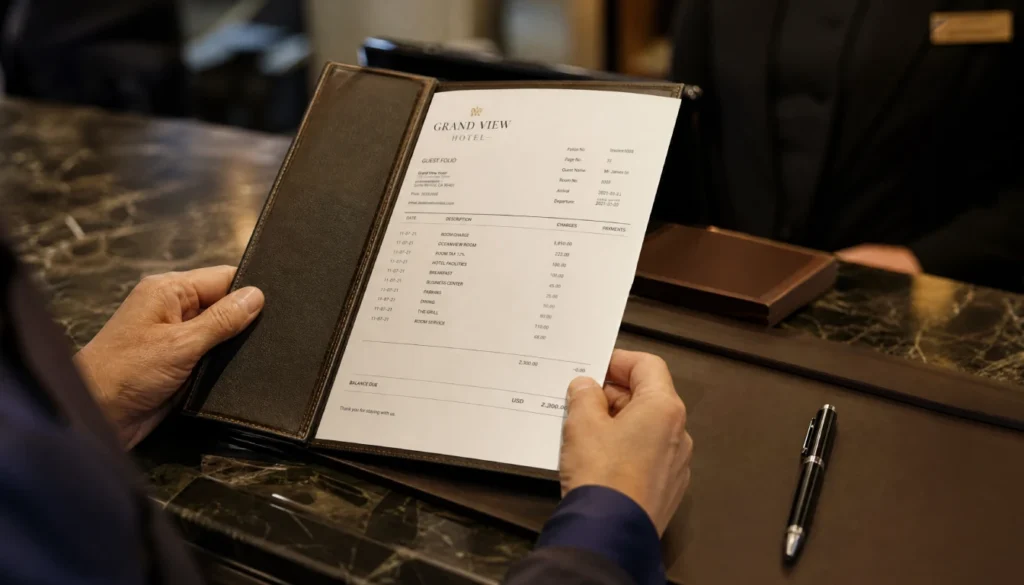
That said, always check your statement after checkout. Review the final hotel folio before you leave. If anything looks off, dispute it in writing right away.
One thing to watch out for: hotel pre-authorization scams. Some dishonest third-party booking sites ask for card details “to hold your reservation” and charge you before you even arrive. Always book directly through the hotel’s official website or a trusted travel platform.
Quick Tips to Handle Hotel Credit Card Holds Like a Pro
- Ask at check-in exactly how much is being held and when it will be released.
- Use a credit card instead of a debit card whenever possible.
- Keep your hotel receipt and final folio for your records.
- Call your bank if the hold hasn’t cleared within 10 business days.
- If you prepaid online, you may still need a card on file for incidentals. Always confirm this before arriving.
- For business travel, check if your company’s corporate card policy covers hotel incidental holds.
Frequently Asked Questions
Can you check into a hotel without a credit card?
Yes, but it depends on the hotel’s policy. Some accept debit cards with a higher cash deposit, while others are strictly credit card only. Always call ahead to confirm what’s accepted.
What is the difference between a hotel credit card hold and a charge?
A hold is a temporary reservation of funds that gets released if you have no extra charges. A charge is a permanent transaction that shows up on your statement.
Can I use a prepaid card for hotel incidentals?
Some hotels accept prepaid Visa or Mastercard cards, but many don’t. The issue is that prepaid cards sometimes can’t support large holds. Check with the hotel directly before you arrive.
Do all hotels require a credit card for a reservation?
Most do, especially for guaranteeing your booking. However, some budget hotels and motels accept cash or debit cards, particularly if you walk in without a prior reservation.
Why is my hotel holding more money than I expected on my credit card?
Some hotels increase the hold amount based on your length of stay, room type, or potential charges like resort fees or parking. Always ask for the exact hold amount at check-in so there are no surprises.
Final Thoughts
Hotel credit card holds aren’t something to stress about. Once you understand what they are and why they happen, the whole process feels a lot less mysterious.
The hotel isn’t trying to keep your money. They just want to make sure they’re covered if anything comes up during your stay. And honestly, that’s fair.
My best advice? Always use a credit card at check-in if you can, ask upfront how much the hold is, and check your statement carefully after checkout.
If you’ve had a confusing or frustrating hotel credit card experience, share it in the comments below. Your story might help another traveler avoid the same headache.
Safe travels, and may your holds always release on time.