
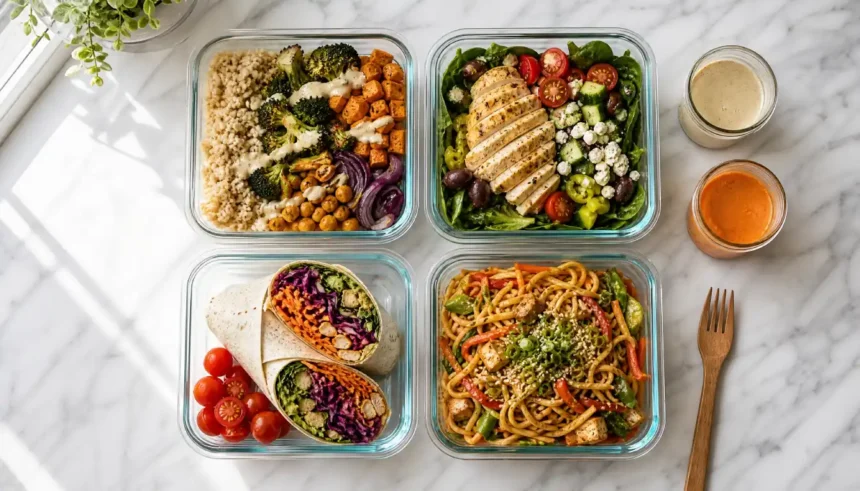
I used to dread Sunday evenings.
Not because the week was starting. But because I’d open my fridge, stare at four identical containers of rice and chicken, and feel a wave of defeat wash over me. I’d made it to Wednesday eating the same thing, and by Thursday I was ordering takeout. Again.
If you’ve tried solo meal prep and hit that wall, you’re not alone. Most meal prep advice is written for families or couples. It assumes you want to eat the same meal six times in a row. But if you’re cooking just for yourself, that gets old fast.
Here’s the good news. Meal prepping for one can actually be exciting. You just need a slightly different approach, one that gives you variety without the waste, boredom, or effort of cooking from scratch every single day.
This article covers everything: how to structure your prep, which foods to batch, how to keep meals feeling fresh all week, and the common mistakes that kill your motivation.
Why Meal Prepping for One Feels So Hard
Most people who try solo meal prep quit within two weeks. The reason is rarely laziness. It’s boredom.
When you cook one big dish and portion it out, you’re locked into that flavor all week. That works for some people. But if you enjoy variety, it feels more like punishment than planning.
The other issue is scale. Scaling down a recipe for one person without wasting half a bunch of cilantro or half a can of beans feels annoying. So you either overbuy and waste food, or underprepare and end up eating toast for dinner.
The fix is to stop thinking about meal prep as “cooking meals.” Start thinking about it as “prepping ingredients.”
The Ingredient Prep Method: Your New Best Approach
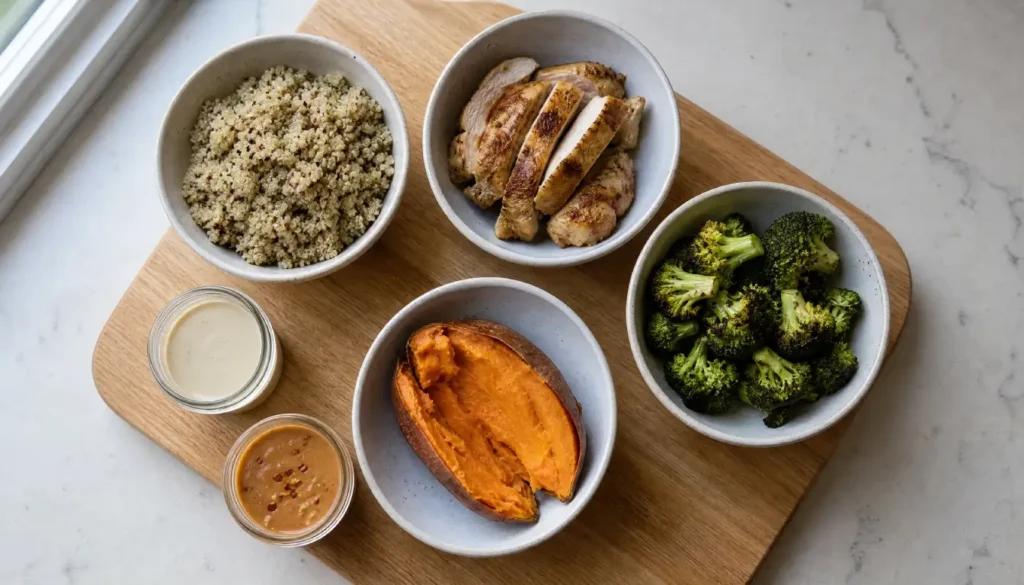
Instead of cooking five full portions of one dish, prep the building blocks. Then mix and match them throughout the week.
Here’s what that looks like in practice.
On Sunday, you might roast a tray of vegetables, cook a pot of grains, prepare a protein two different ways, and make two simple sauces. Those components become completely different meals depending on how you combine them.
- Monday: grain bowl with roasted vegetables and tahini sauce
- Tuesday: protein over salad with a different dressing
- Wednesday: wrap with leftover grains and a spicy sauce
- Thursday: stir-fried rice with vegetables and a fried egg on top
Same prep. Totally different meals. No boredom.
This approach takes about 90 minutes on one day and saves you from cooking more than 20 minutes on any weeknight.
What to Actually Prep (A Simple Weekly Template)
Here is a reliable structure that works for single-person meal prep without getting repetitive.
1 grain or starch: Cook a big batch of rice, quinoa, farro, or pasta. Store it plain so it can go in different dishes.
1 to 2 proteins: Keep things interesting here. Try one batch of baked chicken thighs and a batch of hard-boiled eggs, or cook some lentils alongside shrimp. Different textures and flavors open up more meal combinations.
3 to 4 roasted or raw vegetables: Roast broccoli, sweet potatoes, and cherry tomatoes together. Keep some raw veggies like cucumber and bell peppers for crunch and variety.
2 sauces or dressings: Sauces do more work than almost anything else in your fridge. A good tahini dressing and a spicy peanut sauce can transform the same bowl into two totally different meals.
A few snacks or breakfast elements: Overnight oats, boiled eggs, sliced fruit, or portioned nuts make mornings faster without any extra cooking.
How to Avoid Leftovers Boredom Every Single Week
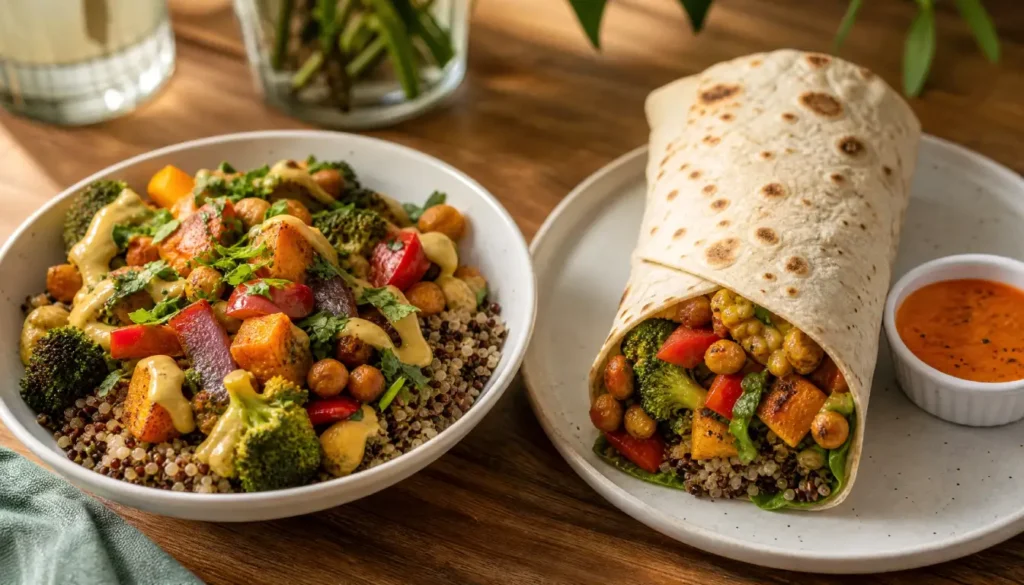
This is the part most meal prep guides skip. They tell you what to cook but not how to keep it interesting.
Here are the strategies that actually work.
Change your sauce first. The fastest way to make Monday’s bowl feel nothing like Thursday’s bowl is to use a different sauce. Keep at least two in your fridge at all times. Rotate them week to week.
Use different cooking methods. If you roasted your chicken on Sunday, slice some of it cold over a salad on Tuesday instead of reheating it. Cold and warm textures give very different eating experiences.
Add a fresh element each day. A handful of fresh herbs, a squeeze of lemon, some toasted nuts, or a soft-boiled egg added at serving time makes prepped food feel less like “leftovers” and more like a real meal.
Swap your base. If you ate your protein over rice on Monday, put it in a wrap or over lettuce on Wednesday. The same components read completely differently in a new format.
Cook one new thing mid-week. It doesn’t need to be elaborate. A can of chickpeas tossed in olive oil and spices and roasted for 20 minutes adds a brand new element to your rotation on Wednesday night.
Quick Guide: Meal Prep for One on a Budget
Eating well as a single person is cheaper than most people think. Here are a few practical rules.
| Strategy | Why It Works |
|---|---|
| Buy proteins in bulk, freeze portions | Chicken thighs cost less per serving than breasts and freeze well |
| Use eggs heavily | Cheap, high-protein, and work in almost any meal |
| Stick to 3 to 4 vegetables max per week | Fewer items, less waste, less spending |
| Shop with a weekly meal rotation in mind | Prevents random buys you won’t use |
| Buy dried legumes instead of canned | Costs about a third of the price, lasts months |
Single-person meal prep for under 30 dollars a week is genuinely doable. It just requires planning before you shop, not after.
Best Containers for Single-Serve Meal Prep
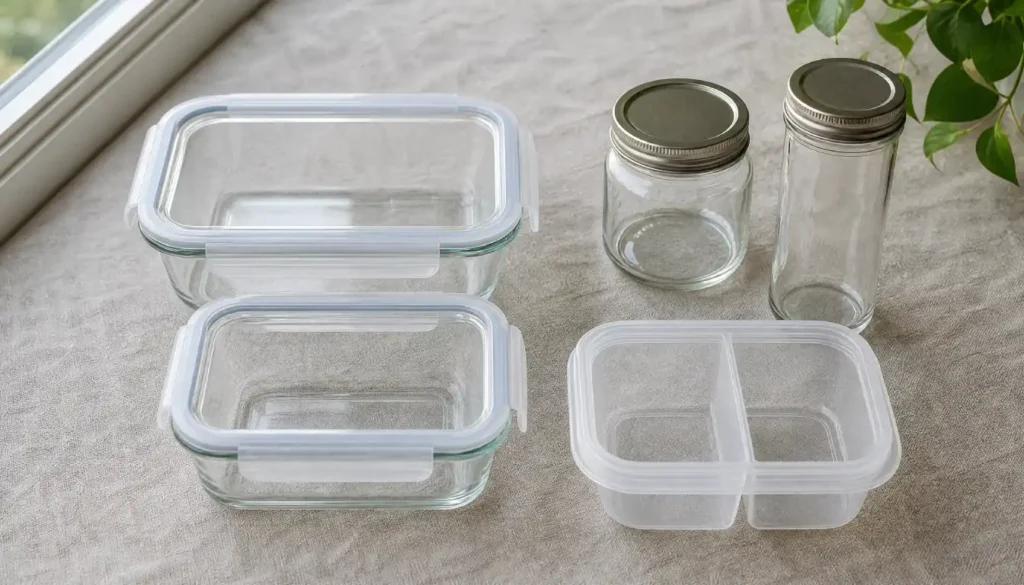
Your containers matter more than you think. Bad storage leads to soggy food, flavor loss, and meals that look sad by Wednesday.
A few things that actually help:
- Glass containers with snap lids keep food fresher and reheat better than plastic
- Tall, narrow containers for sauces and dressings keep them from spilling
- Small mason jars for overnight oats, snacks, or soups
- Divided containers if you like keeping components separate until serving time
You don’t need a matching set of 20. Four to six quality containers handle a solo week comfortably.
5 Mistakes to Avoid When Meal Prepping Solo
Prepping too much food. For one person, most proteins last 3 to 4 days in the fridge. Don’t prep a week’s worth of chicken on Sunday if it won’t stay fresh by Friday. Freeze the second half.
Ignoring breakfast. Dinner prep gets all the attention, but prepped breakfasts save the most time during busy weekday mornings.
Making only one sauce. This is the single biggest cause of leftover fatigue. Two sauces minimum, every week.
Forgetting fresh toppings. Prepped food benefits from something fresh at serving time. Keep herbs, lemons, or fresh greens on hand.
Trying to follow family recipes without adjusting. Scaling down a recipe for 6 into a recipe for 1 is frustrating. Find single-serve recipes or learn basic ingredient ratios you can memorize and adapt.
Frequently Asked Questions
How long does meal prep last for one person in the fridge?
Most cooked proteins last 3 to 4 days. Cooked grains last 5 days. Roasted vegetables last 4 to 5 days. Raw prepped vegetables last 3 to 5 days depending on the type. When in doubt, freeze portions on prep day and thaw as needed.
Is meal prepping worth it for a single person?
Yes. Even prepping just two or three components saves significant time and money during the week. You don’t need to go all in. Start small and build a system that fits your routine.
How do I adjust recipes for one person?
The easiest approach is to stop following full recipes and start cooking by ratios. For one serving, a general guide is: half a cup of dry grain, 4 to 6 ounces of protein, and one to two cups of vegetables. Sauce is about 2 tablespoons per bowl.
How do I meal prep for one without wasting food?
Buy smaller quantities of a wider variety. Use flexible ingredients that work across multiple meals, like eggs, canned legumes, grains, and leafy greens. Freeze anything you won’t eat within 3 days.
What containers are best for single-serve meal prep?
Glass containers with airtight lids are the most practical for reheating and freshness. For sauces, small glass jars with screw tops work best. You only need 4 to 6 containers to manage a full week of solo prep.
You Don’t Have to Eat the Same Thing Every Day
Meal prepping for one person is not about suffering through leftovers. It’s about working smarter so you can eat well without spending every evening in the kitchen.
The key is to prep ingredients, not meals. Keep two sauces in your fridge. Add something fresh at serving time. Permit yourself to change formats and combinations throughout the week.
Start with just one week using the ingredient prep method described here. You might be surprised by how much more you enjoy the process once your meals actually feel different every day.
If you’ve tried solo meal prep before and burned out, I’d love to hear what went wrong. Drop a comment below and tell me your biggest challenge. And if this helped, share it with someone else who’s tired of eating the same grain bowl five days in a row.