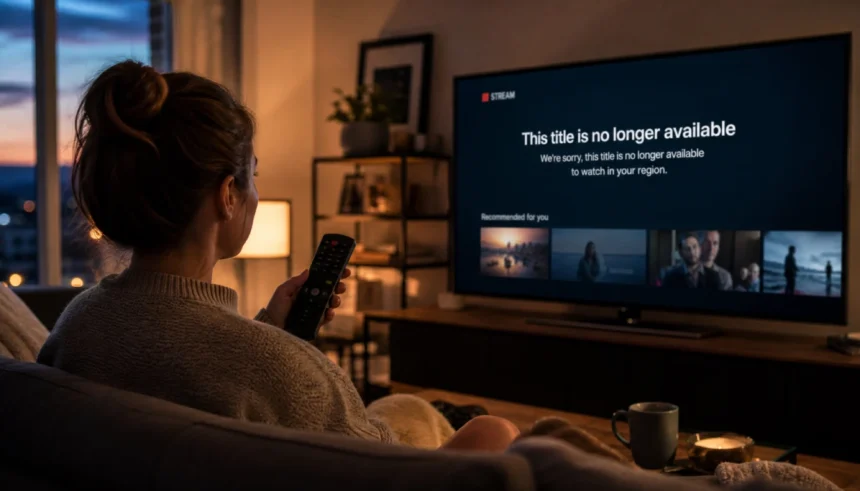
Last year I sat down to rewatch a show I loved. I searched Netflix. Nothing. I checked Max. Gone. I finally found an old screenshot of the show in my camera roll and felt genuinely sad, like I’d lost a photo album.
If you’ve ever opened a streaming app looking for a favorite title and found it missing, you know that feeling. It’s confusing. It’s frustrating. You paid for a subscription. You expected the show to stay.
This article breaks down exactly why streaming services remove original content, what happens behind the scenes, and what you can actually do about it. No fluff, just the real reasons.
Why Do Streaming Services Remove Original Content in the First Place?
Streaming platforms remove their own shows and movies for one main reason: money. Running a streaming library costs a lot. Every title on the platform means ongoing licensing fees, storage costs, and residual payments to actors and writers.
When a show isn’t pulling in enough viewers, keeping it online stops making financial sense. So the platform quietly takes it down. It’s not personal. It’s a business decision made in a spreadsheet, not a creative one.
Here are the main drivers behind streaming content removal:
- Tax write-offs. Removing a show lets a company claim it as a financial loss.
- Residual payments. Some contracts require ongoing payments to actors and writers as long as a show streams.
- Licensing costs. Content licensed from other studios can become too expensive to keep.
- Low viewership. If a title isn’t watched much, it’s not earning its spot on the platform.
- Company mergers. When two streaming companies combine, they often cut overlapping content.
The Tax Write-Off Reason Nobody Talks About
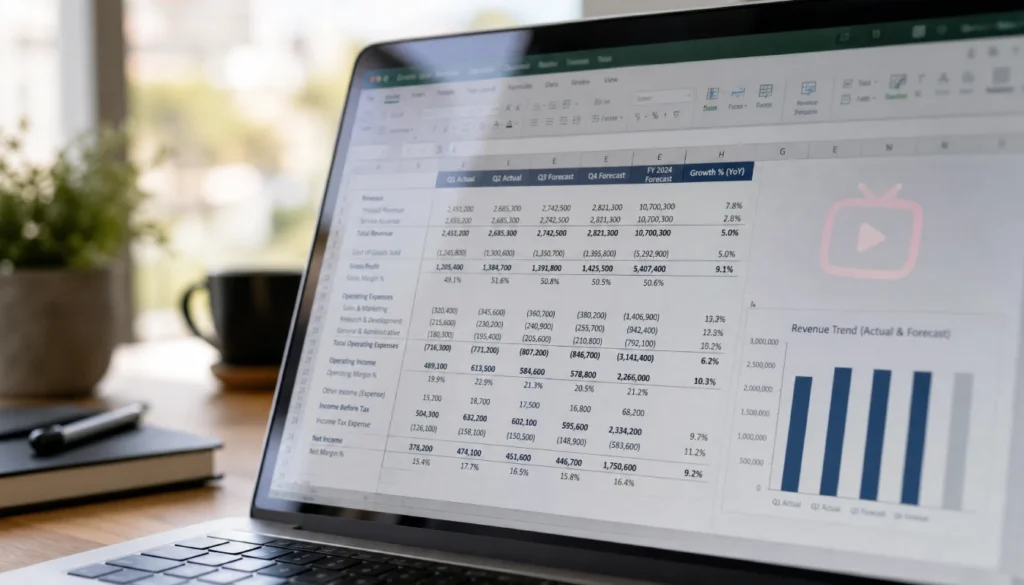
This is the part that surprises most people. Streaming platforms can write off a show’s production cost as a loss once it’s removed from the platform. This is sometimes called a content impairment charge.
Warner Bros. Discovery made headlines for this after merging with HBO Max. Entire finished shows and movies were pulled and never released, purely for tax purposes. Some titles, like certain unreleased HBO Max projects, disappeared before anyone even got to watch them.
This is legal. It’s part of Hollywood accounting, a long-standing practice where studios structure finances in ways that reduce taxable income. It feels unfair to viewers, but it’s a known strategy inside the entertainment industry.
Streaming Residuals and Why They Matter
Actors, writers, and directors often get paid residuals when a show streams. These payments are built into union contracts with groups like the WGA and SAG-AFTRA.
If a platform keeps paying residuals on a show that isn’t earning much anymore, it becomes a financial drain. Removing the show stops those payments. This is one of the least talked about reasons behind streaming service content purges, but it’s a real factor.
The WGA strike brought this issue into the spotlight. Writers pushed for fairer streaming residuals, and platforms responded partly by tightening what stays available and what gets cut.
Licensing vs. Owned Content: What’s the Difference?
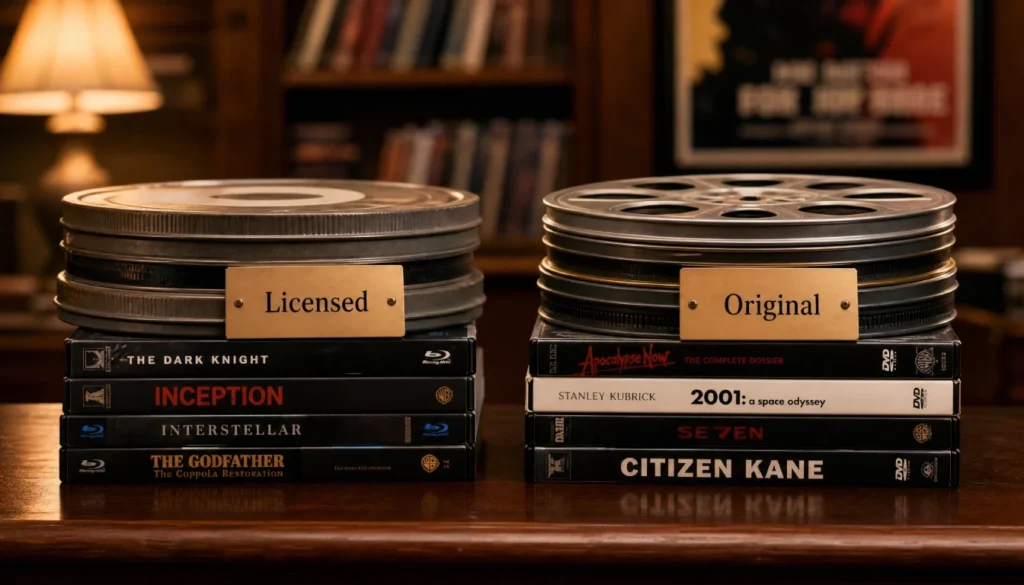
Not every show on a streaming platform is actually owned by that platform. Some content is licensed from another studio for a set period of time. Once that license expires, the platform has two choices: renew it or let it go.
| Type of Content | Who Owns It | Why It Gets Removed |
|---|---|---|
| Licensed content | Another studio | License expires and isn’t renewed |
| Original content | The platform itself | Tax write-off, low viewership, or cost-cutting |
| Co-produced content | Shared rights | Contract disputes or rights expiration |
Original content removal is different from licensed content expiring. When a platform removes its own original show, that’s usually a financial or strategic decision, not a rights issue.
What Happens When a Show Gets Removed for Good?
Once a show is pulled, it often disappears completely. No DVD release. No digital purchase option. No physical media backup. It becomes what people now call lost media.
This matters more than people realize. A show removed from streaming and never made available anywhere else effectively stops existing for most viewers. Future fans can’t discover it. Current fans can’t rewatch it.
Some shows do get picked up by another platform. Others get quietly forgotten. There’s rarely a warning before removal, so you often won’t know a show is gone until you go looking for it.
How This Affects Creators and Actors
Losing a show from a platform doesn’t just hurt viewers. It hurts the people who made it.
- Actors lose ongoing residual income tied to streaming plays.
- Writers see their work erased from public access.
- Directors watch projects disappear before building an audience.
- Smaller, independent creators often get hit hardest, since indie films are usually first on the chopping block.
Several directors and writers have publicly spoken out about shows and films being pulled without warning. For creators, it can feel like their work never existed at all.
What Can You Do About It?
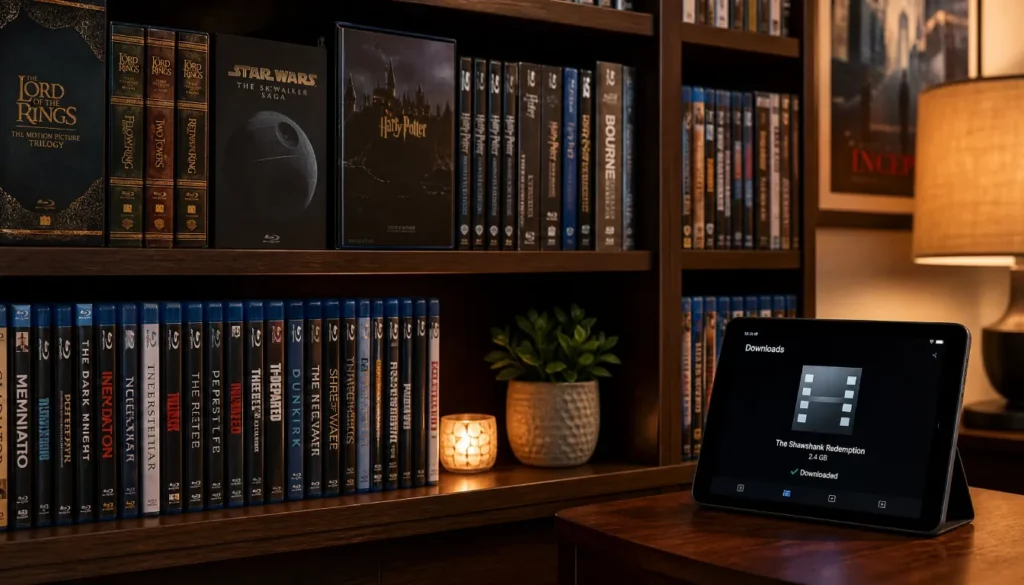
You can’t stop a streaming platform from removing content, but you can protect the shows and movies you care about.
- Buy physical media. DVDs and Blu-rays don’t disappear when a company restructures its budget.
- Purchase digital copies. Some removed shows are available to buy individually on platforms like Amazon or Apple TV.
- Download before it’s gone. If a platform allows offline downloads, save your favorites while you can.
- Follow show news. Fan communities often catch removal announcements before they happen.
- Support physical media releases. Buying box sets signals that people still want ownership, not just access.
Mistakes to Avoid
- Don’t assume a show will stay on a platform forever just because it’s popular.
- Don’t wait to rewatch something you love. Removal often happens with no warning.
- Don’t rely only on streaming for shows that matter to you.
- Don’t assume cancellation and removal are the same thing. A show can be cancelled but still stay available to stream.
Frequently Asked Questions
Why do streaming services remove original content?
Mostly for financial reasons. Tax write-offs, licensing costs, low viewership, and ongoing residual payments all play a role.
Is it legal for streaming services to remove content you already paid for?
Yes. Subscriptions give you access to a rotating library, not ownership of specific titles. Platforms can remove content at any time under their terms of service.
Will removed Netflix originals ever come back?
Sometimes, but it’s rare. A show may return if another platform licenses it or if public demand is strong enough to justify bringing it back.
Does removing a show hurt the people who made it?
Yes. Actors and writers can lose residual payments, and the show becomes harder for new audiences to discover.
How can I watch a show that was removed from streaming?
Check if it’s available to buy digitally, look for a physical media release, or see if another streaming platform has picked up the rights.
Final Thoughts
Losing a favorite show from a streaming platform feels personal, even though it’s really just business. Tax write-offs, licensing deals, and cost-cutting decisions drive most content removal, not audience feedback.
The best thing you can do is stay informed and protect the shows that matter to you, whether that means buying a physical copy or downloading an episode before it’s too late. You’re not wrong for feeling frustrated. Streaming was supposed to make things more accessible, not less permanent.
If you’ve had a show disappear on you, share it in the comments. I’d love to hear which ones you’re still hoping come back.