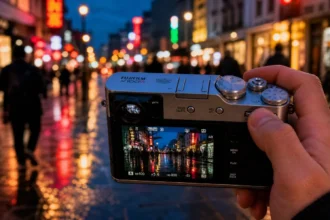

I still remember standing in a train station in Bangkok, jet-lagged and confused, staring at a ticket machine covered in symbols I couldn’t read. My phone had no signal. Nobody around me spoke English. I felt small and lost, and for a minute I wanted to cry.
That was my first real brush with culture shock. Nobody warned me it would feel like this. I thought excitement would carry me through everything. Instead I got homesick, overwhelmed, and a little scared, all before lunch on day one.
If you’re planning your first international trip, you might already feel that same nervous flutter. You want the adventure, but you’re worried about feeling out of place, missing home, or freezing up when things get unfamiliar. That worry is normal, and it’s fixable.
This guide walks you through how to avoid culture shock, what causes it, and how to prepare for culture shock before you even pack your bag. You’ll get real tips, not vague advice, so your first trip feels exciting instead of overwhelming.
What Is Culture Shock, Really?
Culture shock is the mental and emotional reaction you get when your normal routines, language, and social cues suddenly disappear. Your brain likes patterns. When those patterns vanish, it reacts with stress, confusion, or sadness.
It’s not weakness. It’s not a sign you made a mistake by traveling. It’s just your nervous system adjusting to a new environment. Understanding this helps you stop blaming yourself when it hits.
Culture shock symptoms can show up as irritability, tiredness, anxiety, or a strong urge to just go home. Some people get stomach issues from stress alone. Knowing these signs ahead of time makes them far less scary when they show up.
The Stages of Culture Shock You Should Know
Culture shock isn’t one big wave. It moves in stages, and knowing them helps you predict how you’ll feel.
- Honeymoon phase. Everything feels exciting and new. You’re snapping photos and loving every minute.
- Frustration phase. Small annoyances build up. Language barriers, food differences, and unfamiliar systems start to wear on you.
- Adjustment phase. You start understanding local rhythms. Things that felt strange start to feel normal.
- Acceptance phase. You feel comfortable, even confident, moving through your new surroundings.
Some travelers also experience reverse culture shock when they return home and realize their own culture feels different too. That’s completely normal and usually fades within a few weeks.
How to Prepare for Culture Shock Before You Leave
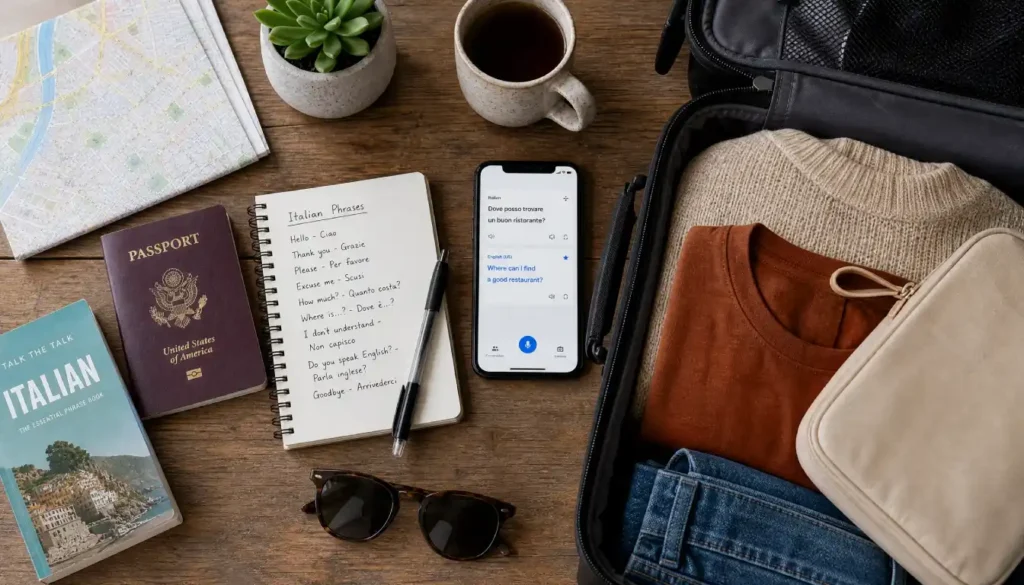
Preparation is the biggest factor in culture shock prevention. A little homework before your flight can save you a lot of stress once you land.
Learn a few basic phrases. You don’t need fluency. Just knowing how to say hello, thank you, and where the bathroom is builds confidence fast.
Research daily customs. Look up things like tipping habits, greetings, and dress expectations. Small cultural mistakes feel huge in the moment, so knowing them ahead of time helps.
Set realistic expectations. Your first international trip will not be perfect. Something will go wrong. Expecting that in advance makes it easier to handle when it happens.
Talk to people who’ve been there. Ask friends, join travel forums, or watch a few honest videos from people who’ve visited your destination. Real experiences beat guidebook fluff.
Pack a comfort item. A favorite snack, a journal, or a small item from home can ground you on hard days.
Quick Pre-Trip Checklist
- Download offline maps and translation apps
- Learn 10 to 15 useful local phrases
- Research local customs and etiquette
- Notify your bank of travel plans
- Save digital copies of important documents
- Pack a small comfort item from home
Culture Shock Tips for First-Time Travelers Once You Land
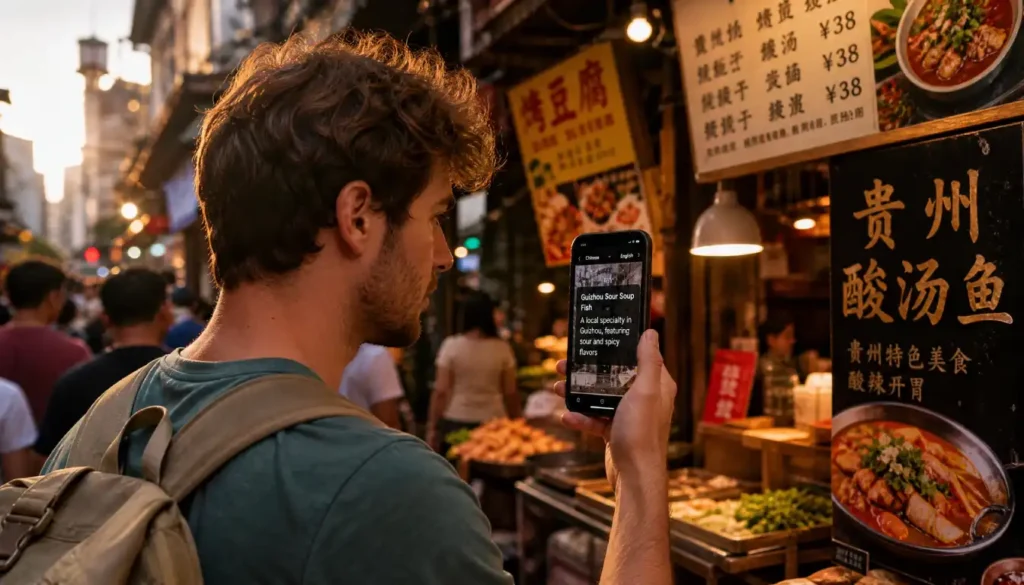
Preparation only gets you so far. What you do in those first few days abroad matters just as much.
Permit yourself to feel off. You don’t have to love every moment right away. Let yourself feel overwhelmed without judging yourself for it.
Stick to a light routine. Eat and sleep at consistent times when you can. Jet lag makes culture shock feel worse, so protecting your sleep schedule helps more than people expect.
Use translation apps without shame. Holding up your phone to translate a menu isn’t embarrassing. It’s smart. It also opens the door to small interactions that build your confidence.
Try one new thing a day, not ten. You don’t need to conquer the whole country immediately. One new food, one new street, one new interaction. That’s plenty.
Find small pieces of home. A coffee shop with familiar vibes or a park bench where you can people-watch gives your brain a break from constant newness.
Talk to someone back home. A quick video call with family can reset your mood fast, especially during the frustration phase.
Mistakes That Make Culture Shock Worse
Some habits quietly make culture shock harder to shake. Watch out for these.
| Mistake | Why It Hurts | Better Approach |
|---|---|---|
| Overpacking your schedule | Leaves no room to rest or adjust | Build in slow days |
| Comparing everything to home | Creates constant frustration | Notice differences without judging them |
| Avoiding locals entirely | Increases isolation | Start with small, low-pressure interactions |
| Skipping meals or sleep | Worsens mood and stress | Protect basic routines |
| Refusing to ask for help | Leads to unnecessary stress | Use apps, staff, or locals for guidance |
Culture Shock Tips by Type of Traveler
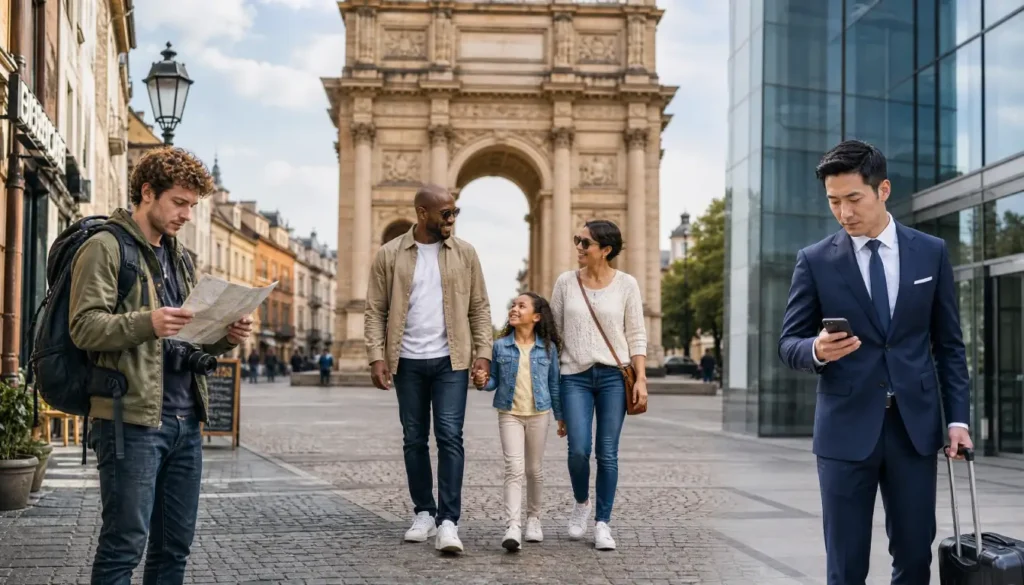
Not every traveler faces the same challenges. Here’s how to adjust your approach depending on your situation.
Solo travelers. Loneliness hits hardest here. Join a group tour for one day, stay in social hostels, or use travel apps to meet other travelers.
Students studying abroad. Culture shock often peaks around week three. Lean on your program’s support staff and connect with other exchange students early.
Business travelers. You have less time to adjust, so research meeting etiquette and communication norms before you land. A quick briefing saves you from awkward missteps.
Families traveling with kids. Keep familiar routines like bedtime and meals as consistent as possible. Kids pick up on your stress, so staying calm helps them adjust too.
Senior travelers. Slower travel pacing helps a lot. Build in extra rest days and choose accommodations close to key attractions to reduce daily stress.
Tools and Apps That Help Reduce Culture Shock
Technology has made culture shock prevention much easier than it used to be.
- Translation apps for instant conversations
- Offline maps for getting around without data
- Currency converters to avoid overpaying
- Local ride-share apps for safer transport
- Language learning apps for basic phrase practice
These tools won’t remove culture shock completely, but they shrink the daily friction that makes it worse.
Frequently Asked Questions
What is culture shock?
Culture shock is the stress response your mind and body have when familiar routines, language, and social cues disappear. It’s a normal part of adjusting to a new country.
How long does culture shock last?
For most first-time travelers, culture shock symptoms ease within one to three weeks. Longer trips may bring a full adjustment cycle over a couple of months.
Can you avoid culture shock completely?
Not entirely, but you can shrink its intensity a lot. Preparation, realistic expectations, and small daily routines make a huge difference.
How do I handle culture shock when I don’t speak the language?
Lean on translation apps, learn a handful of key phrases, and remember that gestures and patience go a long way. Most people are more understanding than you expect.
What foods help with culture shock?
Familiar, simple foods can help settle your stomach and mood during rough days. Many travelers keep a favorite snack from home for exactly this reason.
A Gentle Reminder Before You Go
Your first international trip will stretch you in ways you don’t expect. You might feel homesick one hour and amazed the next. That’s not a sign you’re doing it wrong. It’s a sign you’re growing.
Take the prep seriously, but don’t let fear of culture shock stop you from going. Pack your patience, learn a few phrases, keep your expectations realistic, and give yourself grace on the hard days.
You’ve got this. And when you land back home, a little wiser and a little more confident, you’ll look back at this trip as the moment travel stopped feeling scary and started feeling like yours.
Have you dealt with culture shock on a trip before? Drop your story in the comments. I’d love to hear how you handled it, and your experience might be exactly what another first-time traveler needs to read today.