I still remember the night I watched Zack Snyder’s Justice League for the first time. I had seen the 2017 theatrical version years earlier and thought it was fine, forgettable even. Then I sat through the four-hour director’s cut and felt like I was watching a completely different movie. Same characters, same basic plot, totally different experience.
That is the moment I got curious about director’s cuts. What are they actually changing? Is it just extra scenes stitched in, or something deeper? If you have ever rented a movie, then found out later there is a “longer version,” you have probably asked the same question.
This article breaks down exactly what a director’s cut adds, how it differs from the theatrical version, and why some are legendary while others fall flat. By the end, you will know exactly what to expect before you press play on one.
What Is a Director’s Cut, Really?
A director’s cut is the version of a film edited according to the director’s original vision, without studio interference. It is the movie the filmmaker wanted you to see before test audiences, runtime limits, or rating boards got involved.
Studios often push directors to trim scenes for pacing, ratings, or marketing reasons. A two-and-a-half-hour movie is easier to schedule in theaters than a three-hour one. So directors compromise, then years later release the version they actually intended.
Not every director’s cut is dramatically different. Some add ten minutes. Others, like the Snyder Cut, rebuild the entire film from the ground up with new visual effects and a different ending.
Director’s Cut Additions: What Actually Gets Added
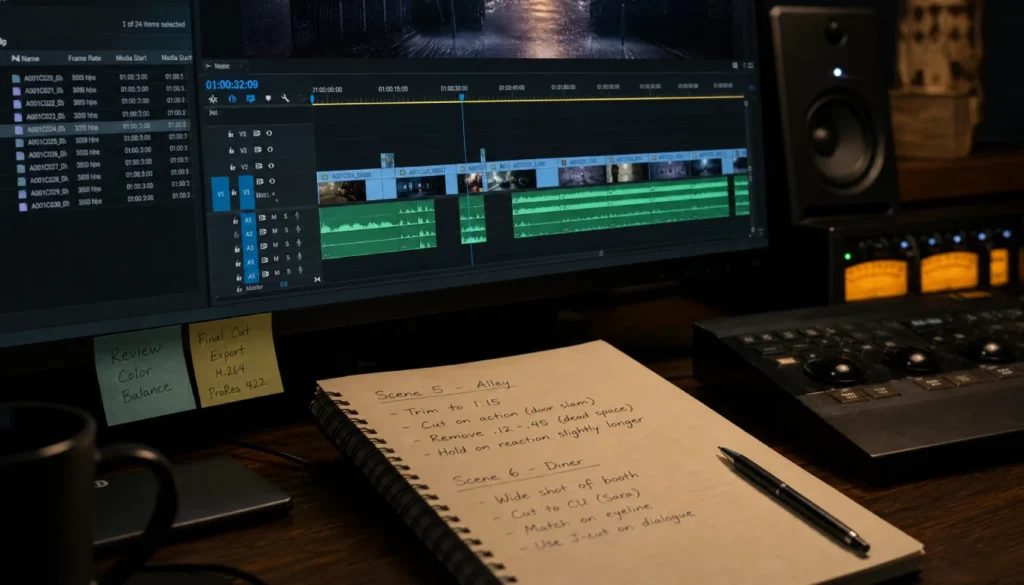
Here is where things get interesting. A director’s cut does not just tack on random footage. It usually adds specific things for specific reasons.
Extended or restored scenes. These are moments that were filmed but cut for time or pacing. They often deepen a character’s motivation or slow down a rushed plot point.
Alternate endings. Some director’s cuts swap the theatrical ending for a different one entirely. Blade Runner is the classic example here, since Ridley Scott removed the studio-mandated narration and happy ending.
Additional subplots or characters. Kingdom of Heaven’s director’s cut adds nearly an hour of material, including entire character arcs that were missing from theaters.
Extended violence or content. Aliens and Watchmen both restored scenes that were trimmed for rating reasons, giving the story more weight and a darker tone.
New visual effects or reshoots. This is rare, but the Snyder Cut used freshly completed effects work that never existed in the 2017 release.
Director’s Cut vs Theatrical Cut: The Real Differences
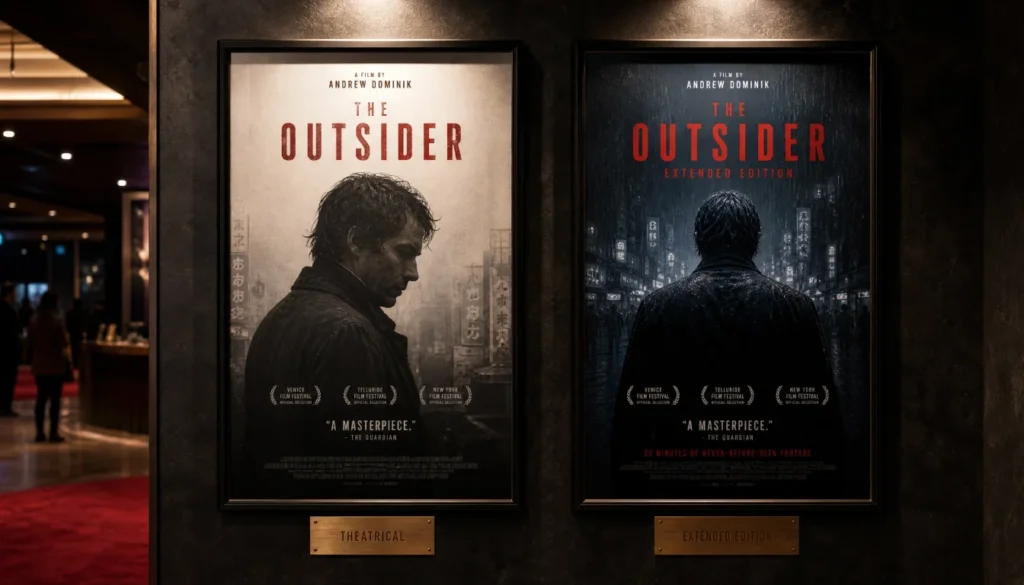
People often assume “director’s cut” just means “longer version.” That is not always true. Here is a simple breakdown of what usually changes between the two.
| Element | Theatrical Cut | Director’s Cut |
|---|---|---|
| Runtime | Studio-approved length | Often longer, sometimes shorter |
| Pacing | Faster, trimmed for audiences | Slower, more character-driven |
| Ending | Studio-approved | Sometimes completely different |
| Rating | Adjusted for wider release | Can be more graphic or intense |
| Music and sound | Test-audience approved | Original composer’s full vision |
| Visual effects | Rushed for deadline | Sometimes fully completed |
This table shows why comparing the two versions of the same movie can feel like watching two separate films entirely.
Why Do Director’s Cuts Exist in the First Place?
Movies are expensive. Studios need to hit release dates, satisfy test audiences, and secure a marketable rating. Directors often lose creative control during this process, especially on big-budget productions.
A director’s cut is basically a chance for the filmmaker to say, “Here is what I actually wanted to make.” It usually comes out on home video, streaming, or a later re-release once the pressure of a theatrical run is gone.
Sometimes it is not even about creative disagreement. The Abyss director’s cut added scenes simply because James Cameron ran out of time to finish visual effects before the original release date.
Famous Director’s Cuts Worth Knowing
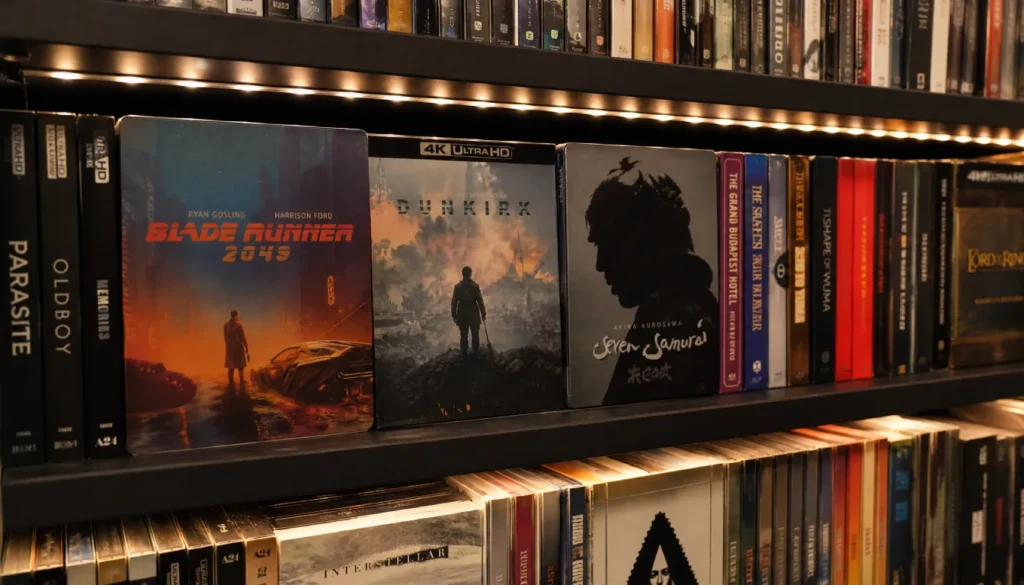
If you want to understand this topic through real examples, these are some of the most talked-about director’s cuts in film history.
- Blade Runner (1982): Removed studio narration and softened ending, restoring Ridley Scott’s darker vision.
- Zack Snyder’s Justice League (2021): Rebuilt from scratch with new footage, effects, and a four-hour runtime.
- Kingdom of Heaven (2005): Added nearly 45 minutes, transforming a decent film into one many critics call a masterpiece.
- Aliens (1986): Restored character moments that add emotional stakes before the action begins.
- Doctor Sleep (2019): Added 30 minutes that deepen the connection to Stephen King’s original novel.
- Watchmen (2009): The Ultimate Cut integrates animated Tales of the Black Freighter segments into the main story.
Does a Director’s Cut Always Make the Movie Better?
Honestly, no. This surprises people, but a longer cut is not automatically a better one. Pacing matters, and sometimes the theatrical editors trimmed scenes for good reason.
Some director’s cuts feel bloated. Extra scenes can slow the momentum without adding real value. If you have ever sat through a slower version of a movie wondering why a scene is still there, you already know this feeling.
The best director’s cuts add meaning, not just minutes. They clarify motivations, fix confusing plot holes, or restore emotional beats that got lost in editing. The weaker ones just pad the runtime.
How to Know If a Director’s Cut Is Worth Watching
Before committing to a three-hour version of a movie, here are a few things worth checking first.
- Read what actually changed. A quick search often reveals whether the additions are meaningful or just filler.
- Check the runtime difference. Ten extra minutes is a different commitment than an extra hour.
- Look at critic and audience reactions to both versions. If most people prefer one over the other, that tells you something.
- Consider your mood. If you want the tighter, faster version, theatrical might suit you better on a rewatch.
- Watch the theatrical cut first if you are new to the story. Director’s cuts often assume familiarity with the plot already.
Extended Cut vs Director’s Cut: Are They the Same Thing?
Not quite, and this trips a lot of people up. An extended cut usually just adds extra footage without claiming to represent the director’s true creative intent. A director’s cut carries the filmmaker’s direct approval and involvement.
Studios sometimes release “unrated” or “extended” editions purely for marketing, without the director touching the edit at all. Always check who actually approved the version before assuming it reflects the filmmaker’s real vision.
Where to Find Director’s Cuts Today
Streaming services carry a mix of versions, and availability changes often. Blu-ray and 4K releases remain the most reliable way to guarantee you are watching the correct cut, especially for older films.
Collector’s editions and steelbooks frequently include both theatrical and director’s cuts on the same release, along with commentary tracks that explain exactly what changed and why. If you are a film lover, these extras are worth the extra cost.
Frequently Asked Questions
What is added in a director’s cut?
Director’s cuts typically add restored scenes, alternate endings, deeper character development, and sometimes new visual effects or extended violence that was trimmed for the theatrical release.
Is a director’s cut always longer than the theatrical version?
Not always. Most are longer, but some director’s cuts actually remove scenes the studio added, resulting in a shorter, tighter film.
What is the difference between an extended cut and a director’s cut?
An extended cut adds footage without official creative approval from the director. A director’s cut reflects the filmmaker’s actual intended version of the film.
Do director’s cuts fix studio interference?
Often, yes. Many director’s cuts exist specifically to restore scenes or endings that studios altered for marketing, ratings, or runtime reasons.
Can a director’s cut change the meaning of a movie?
Absolutely. Blade Runner is the clearest example, where removing narration and changing the ending shifted the entire tone and interpretation of the story.
Final Thoughts
Director’s cuts are not just a marketing gimmick or a way to sell you the same movie twice. At their best, they restore a filmmaker’s true vision and give you a richer, more complete story. At their worst, they add length without adding value.
My advice is simple. Watch the theatrical cut first if the story is new to you, then decide if you want to dive into the longer version. Some director’s cuts, like Blade Runner or the Snyder Cut, are genuinely worth the extra time.
Have you watched a director’s cut that completely changed how you felt about a movie? I would love to hear which one surprised you most. Drop your favorite in the comments, and share this with a friend who still has not seen the “real” version of their favorite film.