A few years ago, I stood in front of my closet and felt embarrassed. Every piece I owned looked tired. Nothing matched. Nothing felt like “me.” My bank account was thin, and I figured looking put together just wasn’t in the cards for me right now.
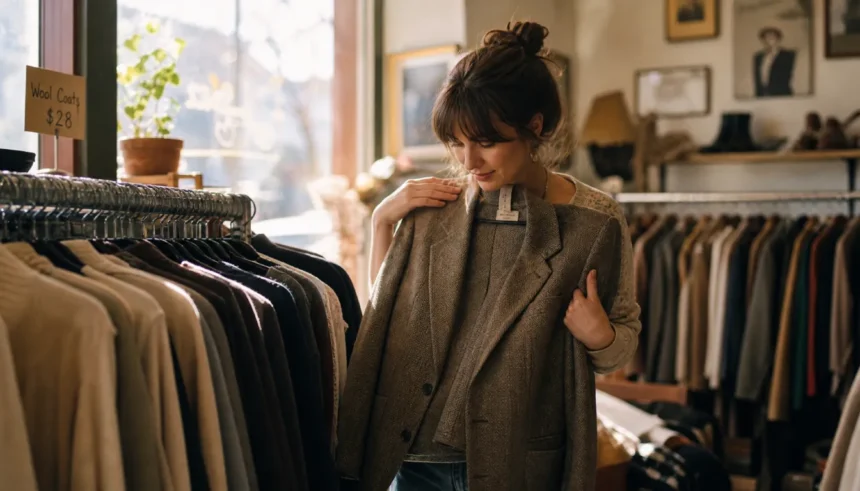
Then a friend dragged me to a thrift store on a random Tuesday. I walked out with a wool blazer, a silk blouse, and a leather belt for less than twenty dollars total. When I wore that blazer to work the next week, a coworker asked where I bought it. I told her the truth. She didn’t believe me.
That moment changed how I shop for good. If you’ve ever felt like looking classy costs more money than you have, I get it. You’re not alone, and you don’t need a big budget to dress well. This guide walks you through real thrift shopping and styling tricks that make cheap clothes look expensive, without the stress or the guesswork.
Why Looking Expensive Has Nothing to Do With Price Tags
Expensive-looking style comes down to fit, fabric, and color. That’s it. A ten-dollar shirt with the right fit can beat a hundred-dollar shirt that hangs wrong. Once you learn to spot these three things, you stop needing a big budget to dress classy.
Most people assume price equals quality. It doesn’t always. Some designer pieces use thin fabric and loose stitching. Meanwhile, a secondhand wool coat from the 90s can outlast anything on the clearance rack today. Learning to look past the price tag is the real secret to budget luxury fashion.
Thrift Store Styling Tips That Make a Real Difference
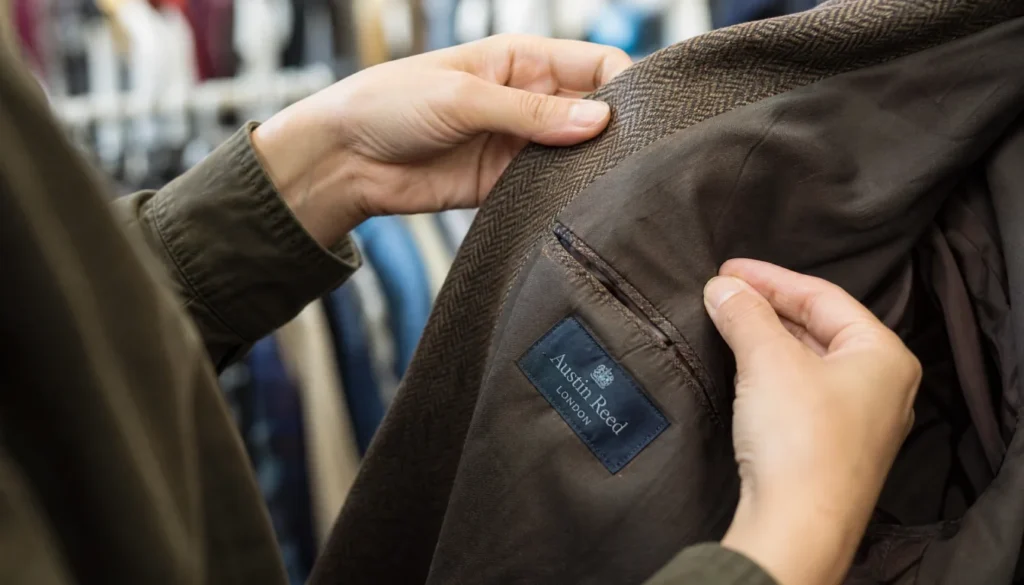
Thrift shopping to look high-end takes a little practice, but once you know what to look for, you’ll shop faster and smarter every time.
1. Check the Fabric First
Natural fibers almost always look more expensive than synthetic ones. Reach for wool, silk, cotton, linen, and cashmere. These fabrics hold their shape, drape better on your body, and photograph well. Polyester tends to look flat and cheap under most lighting.
Quick fabric check:
- Rub the fabric between your fingers. Natural fibers feel cool and textured.
- Check the tag. If it says wool, silk, or cotton blend, grab it.
- Hold it up to light. Cheap synthetic fabric often looks shiny or plastic-like.
2. Inspect the Stitching and Seams
Flip the garment inside out. Even, tight stitching means the piece was made to last. Loose threads, crooked seams, or puckered fabric are signs of poor construction, no matter how nice the item looks on the hanger.
3. Look for Timeless Silhouettes
Trendy cuts go out of style fast. Classic shapes like straight-leg trousers, tailored blazers, and simple button-downs never look dated. These pieces are the backbone of an elevated basics wardrobe that works for years, not just one season.
4. Buy for Your Actual Body, Not the Size on the Tag
Sizing has changed a lot over the decades, so ignore the number on the tag. Try things on. A piece that fits your shoulders and skims your waist will always look more expensive than something baggy or too tight, even if it cost five dollars.
Styling Tricks to Make Cheap Clothes Look Expensive
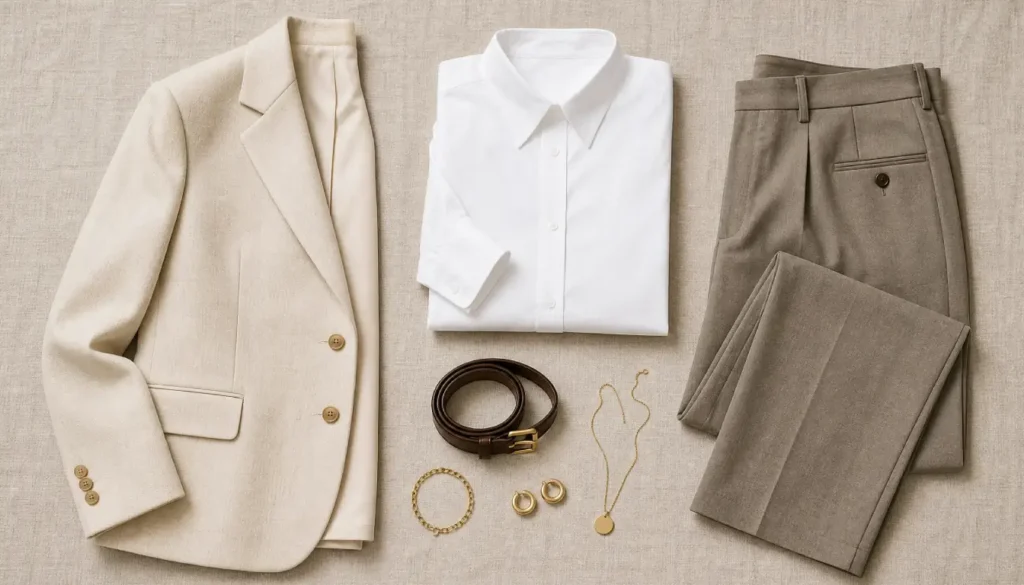
Once you’ve found solid pieces, styling does the rest of the work. These simple tricks make a huge difference.
Stick to a Neutral Color Palette
Black, white, cream, camel, navy, and gray instantly create a polished look. This is the foundation of quiet luxury and stealth wealth style. When your colors match, your outfit reads as intentional, even if every piece came from a different thrift bin.
Tailor Everything You Can
A five-dollar shirt taken in at the waist will fit better than most items straight off the rack. Simple alterations like hemming pants or shortening sleeves can transform a bargain find into something that looks tailored and expensive. Most tailors charge less than you’d think.
Iron and Steam Your Clothes
Wrinkled clothing reads as cheap no matter the brand. A quick steam or iron before you leave the house makes any outfit look sharper. This is one of the easiest budget-friendly fashion tips, and it takes five minutes.
Layer With Purpose
Add a blazer over a simple tee. Tuck in your shirt. Add a belt at the waist. These small choices create structure, and structure is what separates a put-together outfit from a thrown-together one.
Choose Quality Accessories Over Quantity
One good leather bag beats five plastic-looking ones. Thrifted accessories that elevate a basic outfit include leather belts, structured bags, and simple gold or silver jewelry. Skip anything with obvious wear, peeling, or plastic hardware.
Outfit Formulas That Always Look Expensive
Here’s a simple table to help you build outfits that look pulled together every time, using only thrift store basics.
| Occasion | Base Pieces | Finishing Touch |
|---|---|---|
| Work | Tailored trousers, button-down shirt | Structured blazer, leather belt |
| Casual outing | Straight-leg jeans, fitted tee | Trench coat, simple sneakers |
| Date night | Slip dress or tailored pants | Statement jewelry, heeled boots |
| Weekend errands | Denim, oversized sweater | Crossbody bag, ankle boots |
Notice how each formula uses neutral colors and simple shapes. That’s the secret. You don’t need trendy pieces. You need pieces that work together.
Common Mistakes That Make an Outfit Look Cheap
Even good pieces can look sloppy if you fall into these habits. Here’s what to avoid:
- Wearing clothes that don’t fit your actual body shape
- Mixing too many colors or patterns at once
- Skipping the iron or steamer before wearing something
- Choosing flashy logos over simple, classic design
- Wearing worn-out shoes with an otherwise nice outfit
- Ignoring small details like loose buttons or frayed hems
Fixing even two or three of these habits can completely change how put-together you look without spending another dollar.
Thrift Flipping: Turning Bargain Finds Into Designer-Looking Pieces
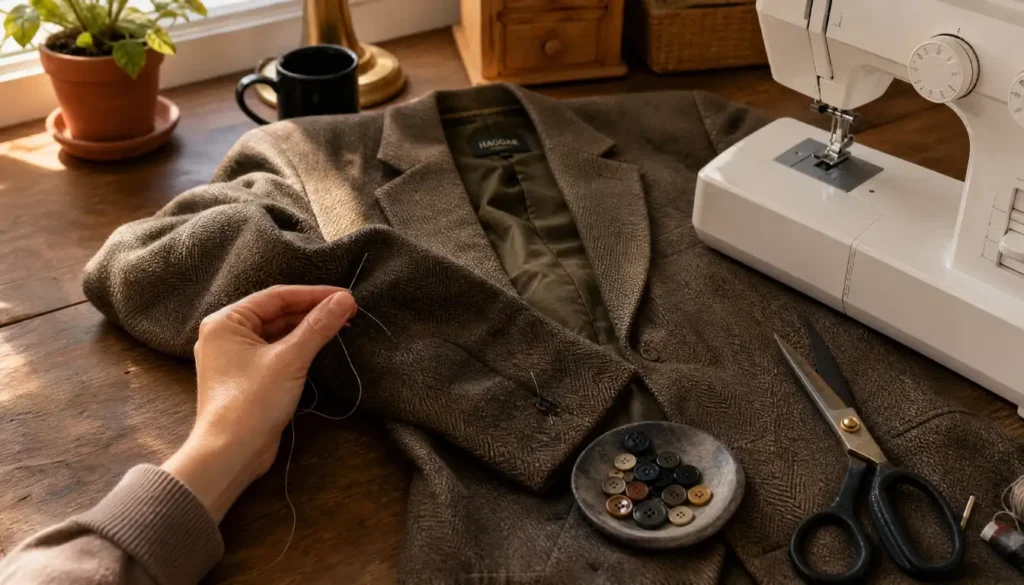
If you’re handy with a needle or don’t mind learning, thrift flipping opens up even more options. You can take an oversized blazer and nip it at the waist. You can swap out cheap buttons for brass or mother-of-pearl ones. You can dye a faded piece to bring it back to life.
Simple thrift flip ideas to try:
- Replace plastic buttons with metal or shell ones for an instant upgrade.
- Hem wide-leg pants into a cleaner, cropped silhouette.
- Remove shoulder pads from old blazers for a modern fit.
- Dye a stained white shirt a solid color like black or navy.
You don’t need a sewing machine to start. A needle, thread, and a little patience go a long way.
Where to Shop for the Best Thrift Finds
Not every thrift store is equal. Estate sales and thrift shops in higher-income neighborhoods often carry better quality items, since donations tend to include higher-end pieces. Check the menswear section too, even if you’re shopping for yourself. Blazers and button-downs from the men’s rack often use better fabric and larger cuts that work well when tailored.
Shop with a plan. Know what you need before you walk in, whether that’s a blazer, trousers, or a simple dress. This keeps you focused and helps you avoid impulse buys that don’t fit your wardrobe goals.
Frequently Asked Questions
How can I tell if a thrift store item is good quality?
Check the fabric, feel the stitching, and look at how the seams lay. Natural fibers, tight stitching, and clean seams are strong signs of quality, no matter the price tag.
What colors make you look more put together?
Neutral tones like black, white, camel, navy, and cream tend to look polished and expensive. They mix easily and rarely clash, which makes outfit planning simple.
Can I really look expensive without spending a lot of money?
Yes. Fit, fabric, and color matter far more than price. A well-fitted secondhand piece in a good fabric will always outshine an ill-fitting item, no matter what it cost.
What should I avoid when thrifting for an elevated look?
Skip anything with visible wear, stains, missing buttons, or a poor fit. Also watch for trendy pieces that may already feel dated by the time you get them home.
Do I need to know how to sew to thrift flip clothes?
Not at all. Basic hand stitching or a local tailor can handle most alterations. Start small with things like hemming or swapping buttons before trying bigger projects.
Final Thoughts
Looking classy on a budget isn’t about tricking anyone. It’s about learning what actually makes clothing look good, and then using that knowledge every time you shop. Fit, fabric, and color will take you further than any price tag ever could.
You don’t need a big closet or a big budget to feel confident in what you wear. Start small. Pick one tip from this list and try it this week, whether that’s ironing your clothes before you leave the house or hunting for wool blazers on your next thrift trip.
I’d love to hear how it goes. Drop a comment with your favorite thrift find or a styling trick that’s worked for you. Your story might be exactly what someone else needs to read today.