

Last month I spent forty-five minutes scrolling through three streaming apps and never picked a single show. My popcorn went cold. My partner fell asleep waiting. I closed my laptop feeling more tired than when I sat down to relax.
Sound familiar? You are not lazy or indecisive. You are drowning in options. The average household now juggles four or five streaming services, endless recommendation algorithms, and a watchlist that never gets shorter.
This guide will show you how to watch smarter, not harder. You will learn how to build a watchlist that actually works, cut down on decision fatigue, save money on subscriptions, and turn screen time into something you actually enjoy again.
What Does It Mean to Watch Smarter
Watching smarter means making intentional choices about your entertainment instead of letting an algorithm or habit make them for you. It is not about watching less. It is about watching with purpose.
Think of it as a media diet. You are not cutting out entertainment. You are choosing better ingredients and skipping the empty calories that leave you feeling drained instead of satisfied.
Why Choosing What to Watch Feels So Hard
Streaming platforms want your attention for as long as possible. That is their business model. Autoplay, endless scroll, and personalized rows of suggestions are built to keep you undecided and browsing.
This creates something psychologists call decision fatigue. The more choices you face, the harder it becomes to pick one. By the time you choose a show, you have already used up mental energy you could have spent enjoying it.
Quick tip: Set a five-minute timer before you start browsing. If you have not picked something by the time it goes off, choose from your top three favorites instead of starting a new search.
How to Build a Watchlist That Actually Works

A messy watchlist is part of the problem. Here is how to fix it.
- Pick one home base. Choose a single app or notebook to track everything you want to watch. Trying to remember shows across five different platforms is exhausting.
- Sort by mood, not genre. Instead of labeling shows as comedy or drama, tag them as “light and easy” or “needs full attention.” This matches your energy level on any given night.
- Cap your list at twenty. A watchlist with two hundred items is not a plan. It is clutter. Keep it short so every choice feels manageable.
- Review it monthly. Delete anything you added on a whim and never actually want to watch. Be honest with yourself.
Streaming Tips That Actually Save You Time
Here are small habits that make a real difference in your viewing experience.
- Turn off autoplay in your account settings. This one change stops the mindless scroll before it starts.
- Use trailers, not full episodes, to test if a show fits your mood.
- Check runtime before you commit. A ninety-minute movie fits into a night better than a ten-episode series.
- Follow a few trusted critics or friends instead of relying only on the algorithm.
- Set a “one new show at a time” rule, so you finish what you start.
How to Find Shows You Will Actually Like
The algorithm is not always your friend. It tends to show you more of what you already watched, which can trap you in a narrow loop. Break out of it with these methods.
Try Letterboxd or Goodreads-style apps built by real people, not just code. Human-curated lists often surface hidden gems that an algorithm would never suggest because they do not fit a predictable pattern.
Ask three people in your life what they are watching right now. Personal recommendations from people who know your taste beat a generic suggestion row almost every time.
| Discovery Method | Best For | Time Needed |
|---|---|---|
| Algorithm suggestions | Quick, low effort picks | 2 minutes |
| Friend recommendations | Trusted, personal taste match | 5 minutes |
| Critic or review sites | Quality checks before committing | 10 minutes |
| Curated human lists | Hidden gems and international finds | 15 minutes |
How to Binge Watch Without the Guilt
Binge watching is not the enemy. The guilt that follows it usually is. You can enjoy a full season without feeling like you wasted your weekend.
Set a clear stopping point before you start, like three episodes, not “however many I can manage.” This turns a vague habit into an intentional choice you actually control.
Take a short break between episodes. Stand up, stretch, or check in with the people around you. This keeps you present instead of watching on autopilot until midnight.
Mistake to avoid: Watching a show purely because everyone online is talking about it. Fear of missing out leads to more screen time and less actual enjoyment.
How to Cut Streaming Costs Without Losing Quality
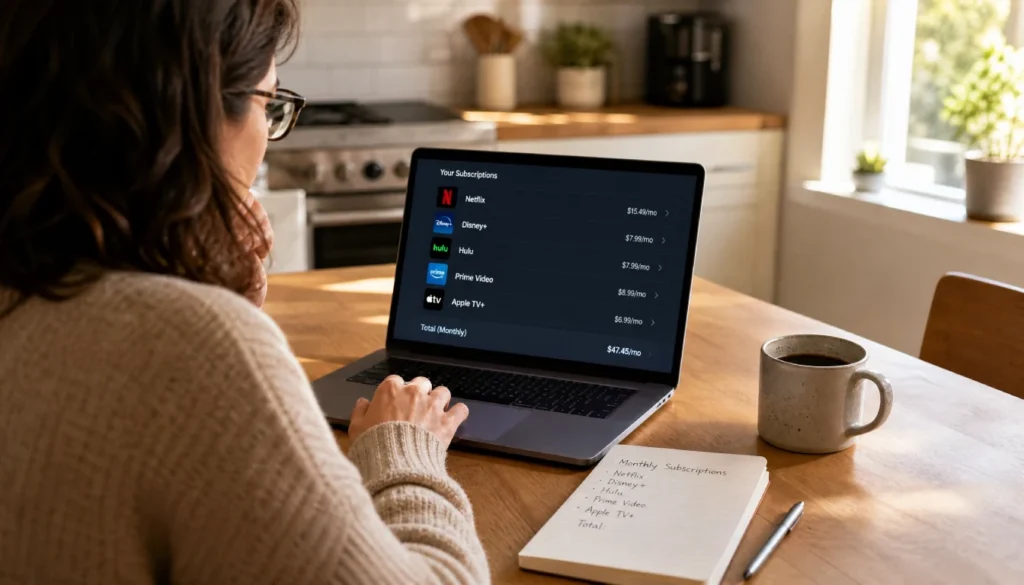
Watching smarter also means spending smarter. Here is how to trim your subscription list without giving up the shows you love.
- Audit your subscriptions every three months. Cancel anything you have not opened in thirty days.
- Rotate services instead of paying for all of them year-round. Subscribe for a month, binge your list, then cancel until next season.
- Share plans only within your household and only where the platform allows it.
- Check your library card. Many public libraries offer free access to movies and shows through apps like Hoopla or Kanopy.
- Compare bundle deals before adding a new service on its own.
Family and Shared Viewing Made Easier
Picking something everyone will enjoy is its own challenge. A few small habits make family movie night smoother for everyone involved.
Create a shared list where every family member can add three picks. Rotate who gets to choose the final movie so nobody feels left out of the decision.
Set simple screen time rules together instead of enforcing them from the top down. Kids and partners follow guidelines better when they helped create them in the first place.

Tools That Help You Watch Smarter
A few apps and settings can take a lot of the mental work off your plate.
- JustWatch: Shows you where a title is streaming across every service you use.
- Letterboxd: Tracks what you have watched and rated, with human-curated lists.
- TV Time: Keeps tabs on episodes and seasons across multiple shows at once.
- Browser spoiler blockers: Hide plot details until you are ready to watch.
- Voice assistants: Say your mood, and let your smart TV suggest a shorter list.
FAQs About Watching Smarter
How do I stop wasting time deciding what to watch?
Limit your browsing time to five minutes and keep a short, mood-sorted watchlist ready. Less choice, faster decisions, more time actually watching.
Is binge-watching bad for me?
Not on its own. The problem is usually mindless watching without breaks or intention. Set a clear stopping point and check in with yourself between episodes.
How many streaming services do I actually need?
Most people are satisfied with two or three at a time. Rotate services based on what you want to watch that season instead of keeping everything active year-round.
How do streaming recommendation algorithms work?
They track what you watch, how long you watch it, and what you skip. Then they suggest similar content to keep you engaged longer, which is why mixing in human recommendations matters.
What is a media diet and how do I start one?
A media diet means choosing your entertainment with the same care you give your meals. Start by tracking what you watch for one week, then notice what left you feeling good versus drained.
A Few Final Thoughts
Watching smarter is not about strict rules or giving up the shows you love. It is about making choices that actually fit your life, your mood, and your time.
Start small. Turn off autoplay tonight. Trim your watchlist this weekend. Cancel one subscription you forgot about. These tiny changes add up faster than you would expect.
You deserve entertainment that feels good, not draining. Give one of these tips a try this week and notice the difference.
What is the one streaming habit you are ready to change? Drop a comment and let me know. I would love to hear what is working for you.