
I used to think travel insurance was something only overly cautious people bought. Something you skim past when booking a flight, like the extended warranty on a blender. I thought I was a careful traveler. I packed smart, booked refundable hotels, and never took risks.
Then I watched my friend Marco get airlifted off a mountain in Costa Rica.
He was on a hiking trip, slipped on a wet trail, and broke his leg badly. The helicopter rescue alone cost over $14,000. His follow-up hospital care pushed the total past $22,000. Marco had no travel insurance. He came home to a medical bill that took him three years to pay off.
That trip changed how I think about travel protection forever. And when I started asking around, I found out Marco’s story was far from rare.
This article covers why travel insurance is important, backed by real stories from real travelers. Some of these accounts are heartbreaking. Some are surprisingly uplifting. All of them will make you rethink skipping that coverage checkbox at checkout.
“I Never Thought It Would Happen to Me”: The Most Common Mistake Travelers Make
Most people who skip travel insurance say the same thing: they figured nothing would go wrong.
That assumption is expensive.
According to the U.S. Travel Insurance Association, roughly 44% of American leisure travelers do not buy travel insurance. Of those who skip it, a significant portion face unexpected costs they had no plan to cover.
Medical emergencies abroad are the biggest risk. Your regular health insurance often has little to no coverage outside your home country. Medicare does not cover international medical care at all. If you get sick or injured overseas, you are often paying out of pocket from the first dollar.
The travelers who regret not buying travel insurance almost always say the same thing: “I just didn’t think I needed it.”
Real Travel Insurance Stories: When Everything Goes Wrong

Story 1: The Emergency Surgery in Thailand
Sarah and her partner booked a two-week trip to Southeast Asia. On day four, her partner developed severe abdominal pain. A Thai hospital diagnosed him with appendicitis and performed emergency surgery the next morning.
Total cost: $9,400.
Sarah had purchased a basic travel insurance plan for about $85 each. The policy covered 100% of the medical costs, including a follow-up consultation back home. She said the claim process took less than two weeks.
“That $85 was the best money I spent on the entire trip,” she told a travel forum. “Without it, we would have come home completely broke.”
This is one of the clearest travel insurance success stories you will find. The coverage was simple, affordable, and paid for itself over 55 times in a single claim.
Story 2: The Airline Collapse That Stranded 400 Passengers
In early 2024, a regional European airline went bankrupt mid-season, leaving hundreds of travelers stranded at airports with no return flights. Passengers scrambled to book last-minute replacement tickets, often paying three to four times the original fare.
Travelers with trip cancellation coverage or travel protection plans got most of their costs reimbursed. Travelers without insurance had no recourse. Many paid $800 to $1,200 extra per person to get home.
Airline bankruptcy is one of the situations many travelers never think about. But it happens more than you would expect. Travel insurance that includes coverage for supplier default can protect you when a company stops operating mid-trip.
Story 3: The Lost Luggage Nightmare Before a Business Conference
James flew to London for a major industry conference. His checked bag, which contained his laptop, presentation materials, and formal clothing, did not arrive with him. It showed up four days later, on the last day of the conference.
His travel insurance policy covered baggage delay expenses. He filed a claim for emergency clothing purchases and a replacement laptop rental. He received $1,100 back, which covered most of what he spent.
Without that coverage, James would have paid entirely out of pocket for items he needed immediately, with no guarantee of any reimbursement from the airline.
Story 4: The Medical Evacuation That Cost $67,000
This one is harder to read.
A retired couple from Canada went on a cruise in the Mediterranean. The husband experienced a serious cardiac event while the ship was docked near a small island with limited medical facilities. He needed to be evacuated by air ambulance to a hospital in Rome.
The medical evacuation alone cost $67,000. His hospital stay added another $31,000.
They had travel insurance. Full stop, they paid almost nothing. Their policy included emergency medical evacuation and travel medical insurance, both of which covered the costs in full.
If they had skipped coverage, they would have returned home to nearly $100,000 in debt at retirement age.
What Does Travel Insurance Actually Cover? (And What It Doesn’t)
Understanding travel insurance benefits before you buy matters. Here is a clear breakdown.
What Most Policies Cover
- Trip cancellation for covered reasons (illness, death in family, severe weather)
- Medical emergencies abroad
- Emergency medical evacuation and repatriation
- Baggage loss or delay
- Flight delay compensation
- Trip interruption if you have to cut your trip short
- 24/7 travel assistance services
What Is Commonly Excluded
- Pre-existing conditions (unless you buy a waiver)
- Cancellation due to fear of travel or changing your mind
- Extreme sports unless you add an adventure sports rider
- Losses from undeclared items in luggage
- Travel to countries with government travel advisories in place
Reading your policy carefully before you travel is not optional. Many denied travel insurance claims come from travelers who assumed something was covered without checking.
Travel Insurance vs. Health Insurance Abroad: Why Your Regular Plan Falls Short
This surprises a lot of people. Your regular health insurance at home may cover almost nothing outside your country.
Even if you have solid domestic coverage, most providers treat international claims as out-of-network, and many exclude them entirely. That means a broken arm in Japan or a stomach infection in Mexico could cost you thousands with zero reimbursement from your regular insurer.
Travel medical insurance fills that gap. It is designed specifically for short-term coverage abroad, and it often includes services your regular plan does not, such as emergency evacuation and repatriation of remains.
For seniors especially, this distinction matters a lot. Medicare provides no international coverage. Travel insurance for seniors is not just worth considering. For many trips, it is the only real safety net available.
How Much Does Travel Insurance Actually Cost?
Most travelers overestimate the price. A standard single-trip policy typically costs between 4% and 10% of your total trip cost.
For a $3,000 vacation, that works out to roughly $120 to $300 for solid coverage.
Compare that to the real travel insurance horror stories above, where medical bills ranged from $9,000 to nearly $100,000.
The math is clear. A $150 policy covering a $3,000 trip is a small cost relative to the financial protection it provides.
Quick Tips for Buying Travel Insurance That Actually Works
- Buy it early. Many cancellation protections only apply if you purchase within a short window of booking, often 14 to 21 days.
- Check your existing coverage first. Some credit cards include basic travel protection. Know what you already have.
- Look for policies that cover your specific activities. If you are going skiing, hiking, or scuba diving, make sure your plan covers those.
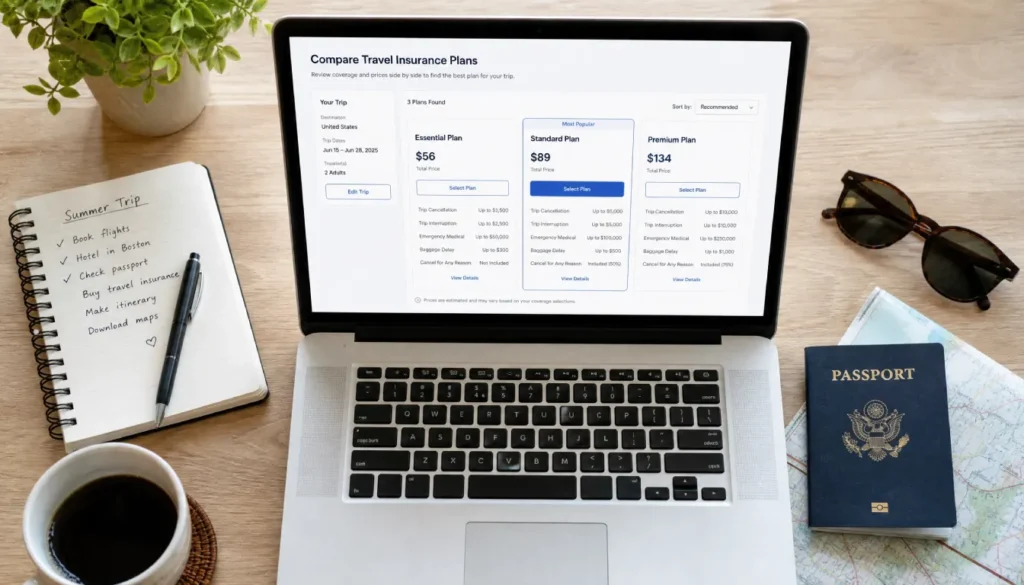
- Compare policies on aggregator sites like InsureMyTrip or Squaremouth to see real options side by side.
- Read the fine print on pre-existing conditions. If you have a chronic health condition, you likely need a waiver.
FAQs
Do I need travel insurance for a short domestic trip?
For a quick weekend trip close to home, travel medical insurance may be less critical since your regular health plan likely applies. But trip cancellation coverage can still protect prepaid costs if something comes up.
What happens if I travel without insurance and have a medical emergency?
You pay out of pocket. Hospitals abroad often require payment upfront before treating non-emergency cases. Without coverage, you could face bills that follow you home for years.
Is travel insurance worth it for budget travel?
Yes. Budget travelers often have less financial cushion to absorb unexpected costs. A $60 policy protecting a $1,200 trip is especially worth it when you cannot afford a surprise $5,000 hospital bill.
Can I buy travel insurance after booking?
Yes, but the sooner the better. Some benefits, like cancel for any reason coverage, are only available if purchased within days of your initial booking.
What are the most common reasons travel insurance claims get denied?
Not reading the exclusions, filing too late, missing documentation, traveling against a government advisory, or claiming for a pre-existing condition without a waiver.
Final Thoughts: The Peace of Mind Is Worth More Than You Think
Travel insurance is not about being fearful. It is about being honest with yourself that unexpected things happen, no matter how careful you are.
Marco, the friend I mentioned at the start, now buys travel insurance without question. He said it plainly: “I am not paying for what I think will happen. I am paying for what I cannot predict.”
That is the most practical way to think about it.
You save for months to take a trip. You plan every detail. Then one slipped trail, one cancelled flight, or one emergency room visit can undo all of it without proper coverage.
The real travel insurance stories above are not meant to scare you out of traveling. They are meant to help you travel smarter.
Have you had a travel insurance experience, good or bad? Drop it in the comments below. Your story might help someone else make a better decision before their next trip.