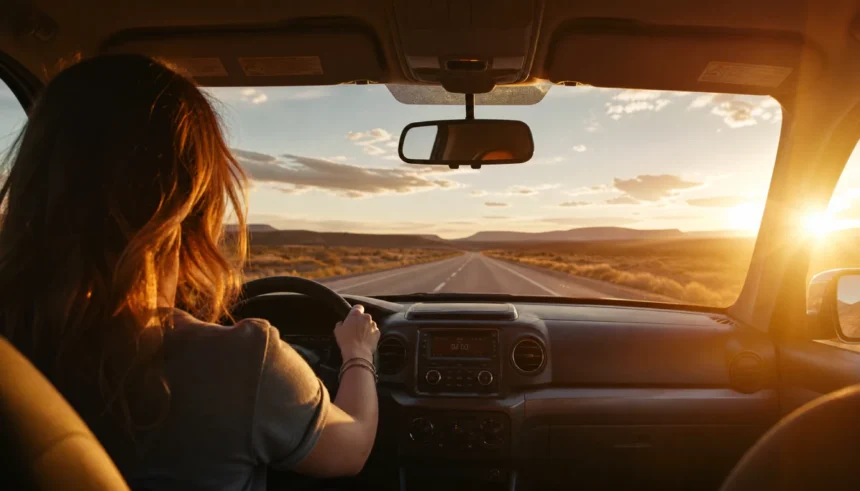
I still remember my first solo road trip. I sat in my car at a gas station, hands on the wheel, and asked myself if I was making a mistake. No one was coming with me. No one would notice right away if something went wrong.
That fear is real. If you’re planning a solo road trip, you probably feel it too. You want the freedom. You want the open road. But you also want to come home safe.
Here’s the good news. Millions of people take solo road trips every year, and most of them have the time of their lives. This guide will walk you through real planning steps, safety tips, and lessons I learned the hard way, so you can hit the road with confidence instead of worry.
Why More People Are Choosing to Road Trip Alone
Traveling alone by car has become one of the most popular ways to explore. You control the schedule. You pick the stops. You don’t have to compromise with anyone.
A solo road trip also teaches you things about yourself. You learn how you handle silence. You learn how you solve problems when no one else is there to help.
If you’ve never tried solo car travel, know this: the fear you feel before you leave is almost always bigger than anything you’ll face on the road.
Solo Road Trip Planning: Where to Start
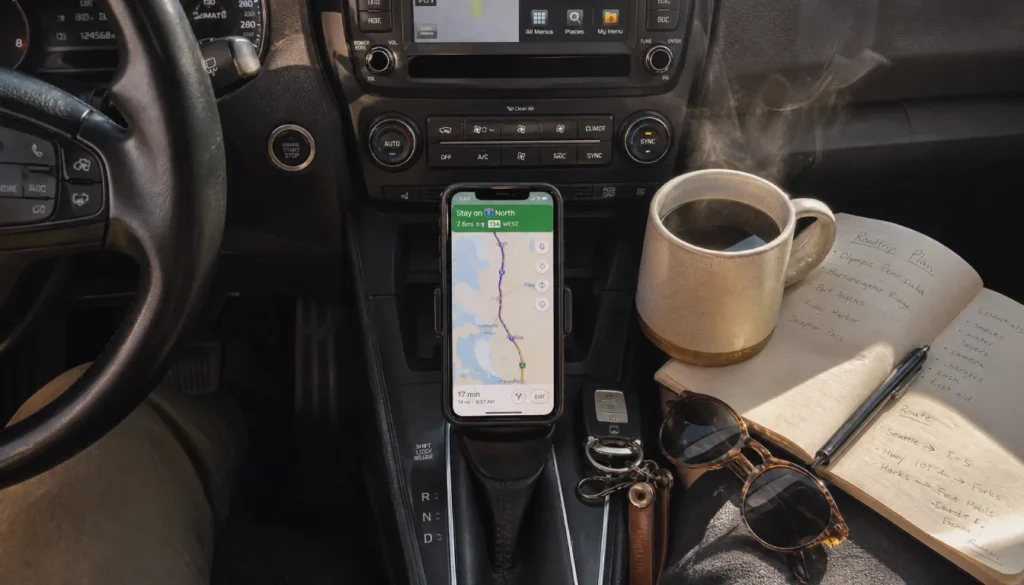
Good planning is what turns a scary idea into an achievable trip. Here’s how to plan a solo road trip step by step.
1. Pick Your Route Before You Leave
Don’t wing the whole thing. Choose your main route and a few backup roads in case of closures or bad weather. Write down city names, not just highway numbers, so you can search for help quickly if needed.
2. Set a Realistic Daily Driving Limit
Long-distance driving alone gets tiring fast. Cap your daily drive time at six to eight hours. Build in breaks every two hours to stretch, eat, and check your phone for messages.
3. Book Some Stops in Advance
You don’t need a rigid itinerary, but book your first and last nights in advance. This gives you a safe landing point and removes one big decision from your plate on tired travel days.
4. Get Your Car Checked
Vehicle maintenance before a road trip is not optional. Get your oil changed, tires checked, and brakes inspected. A breakdown in an unfamiliar area is the last thing you want on a solo trip.
Solo Road Trip Safety Tips That Actually Work
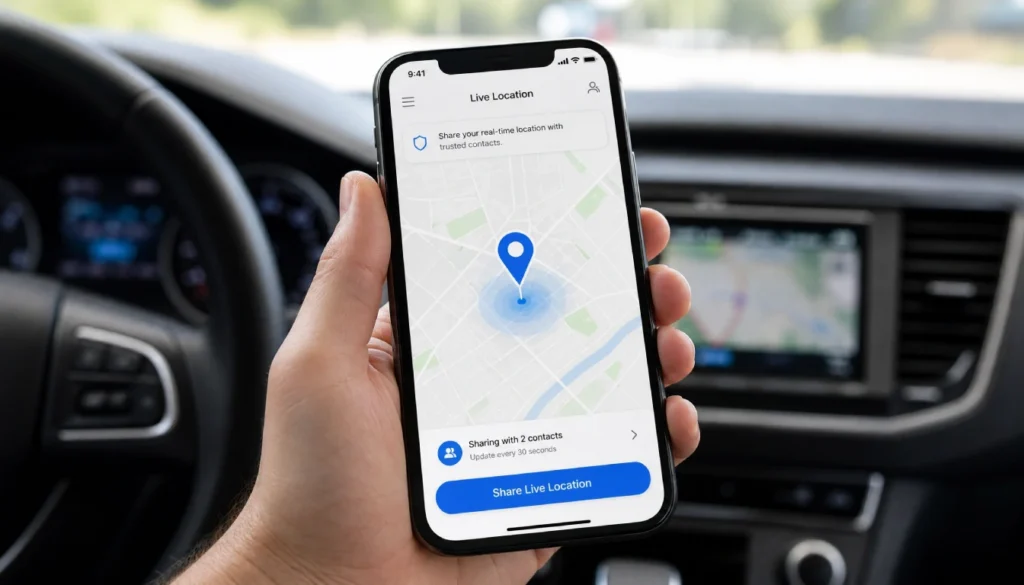
Safety is the number one question people ask about traveling alone by car. Here are the habits that keep solo travelers safe on the road.
Share your location. Turn on the share location feature on your phone and send your route to a trusted friend or family member. Check in with them once or twice a day.
Trust your gut. If a rest stop feels wrong, leave. If a stranger makes you uneasy, walk away. Your instincts are one of your best safety tools on a solo road trip.
Avoid driving at night in unfamiliar areas. Night driving increases the risk of both accidents and unwanted encounters. Plan to arrive at your stop before dark whenever you can.
Keep your gas tank at least half full. Running low in a remote area limits your options. Refuel early instead of waiting until you’re almost empty.
Lock your doors immediately. Get in the habit of locking your car the second you sit down, even for quick stops.
Quick Safety Checklist
| Safety Step | Why It Matters |
|---|---|
| Share your route with someone | Someone always knows where you are |
| Keep phone charged and mounted | Fast access in an emergency |
| Carry a paper map as backup | GPS can fail in remote areas |
| Learn basic car troubles | You can handle small issues yourself |
| Trust your instincts | Your gut catches what logic misses |
What to Pack for a Solo Road Trip
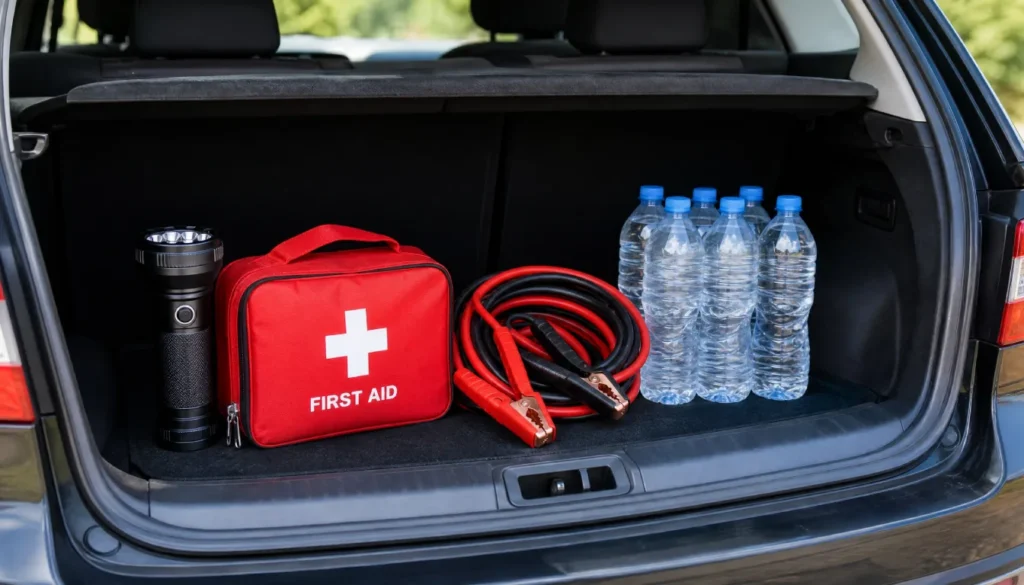
Packing the right items makes a huge difference in how safe and comfortable your trip feels.
Emergency car kit. Jumper cables, a flashlight, a first aid kit, and basic tools. If your car breaks down alone on a road trip, this kit buys you time and options.
Personal safety alarm. A small alarm clipped to your bag or keys can startle someone and draw attention if you ever feel threatened.
Offline maps. Download maps for areas with weak signal. This matters most for solo cross-country road trips through rural stretches.
Snacks and water. Hydration and snacks for long drives keep your energy steady and reduce the urge to stop somewhere unfamiliar out of hunger.
Roadside assistance plan. Sign up before you leave, not after you’re stuck on the shoulder.
Solo Female Road Trip Safety
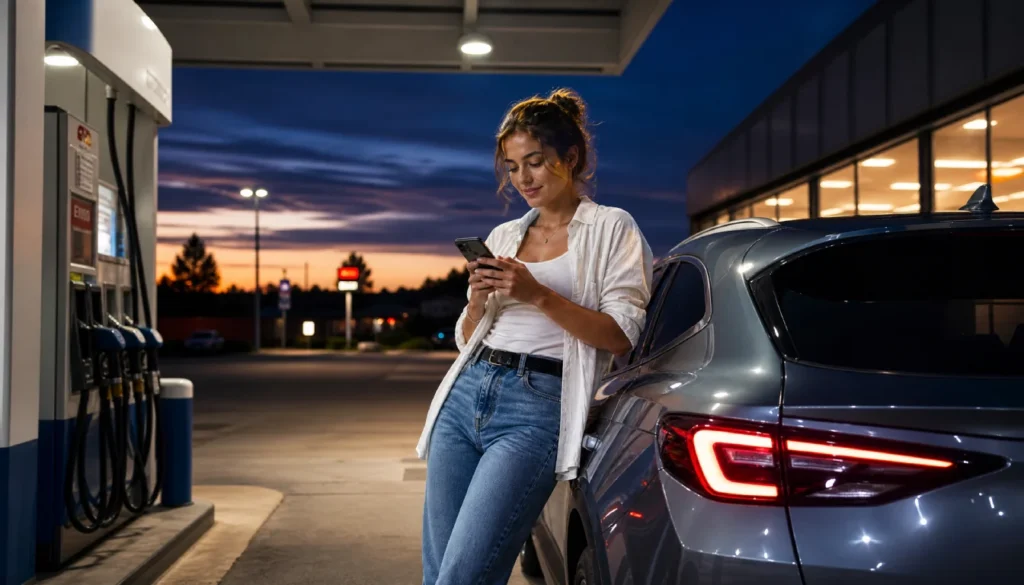
If you’re a woman planning a solo road trip, a few extra steps can help you feel more secure.
- Park under lights at night, close to building entrances.
- Avoid announcing your solo status to strangers.
- Choose well-reviewed, well-lit accommodations.
- Keep a self-defense item that’s legal in your state within reach.
- Trust reviews from other female solo travelers when picking stops.
None of this means the road isn’t safe for women. It means a little extra preparation goes a long way.
How to Stay Safe Sleeping in Your Car
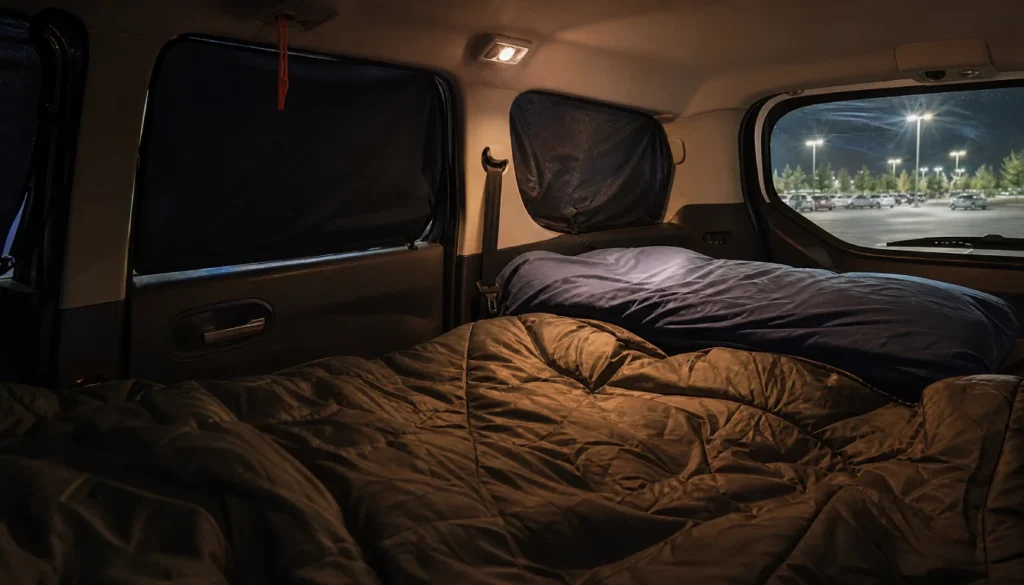
Car camping or sleeping in your car alone is common for budget solo road trips. Here’s how to do it safely.
- Choose well-lit, populated areas like truck stops or 24-hour store lots.
- Use window shades for privacy without blocking your view outside.
- Crack a window slightly for airflow.
- Keep your keys within reach, not buried in a bag.
- Avoid posting your exact location publicly until after you’ve left.
How to Beat Loneliness and Boredom on a Solo Trip
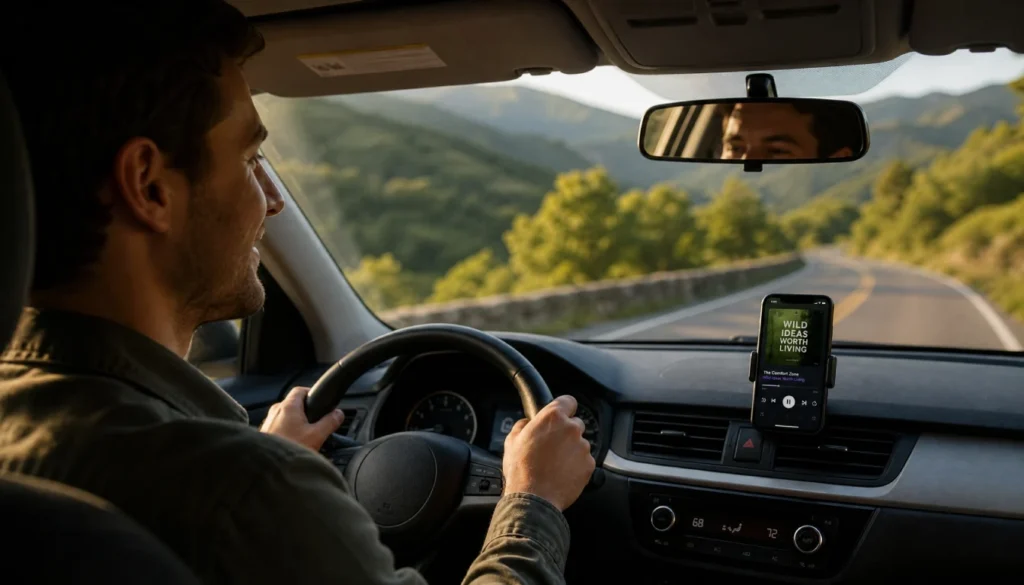
One thing people don’t talk about enough: solo road trips can get quiet. Here’s how to keep your mind engaged during long stretches.
Load up podcasts and audiobooks. Pick topics you genuinely enjoy. Time passes faster when your mind is engaged in a good story.
Call people during rest stops. A quick call to a friend or family member breaks up the silence and keeps you connected.
Journal your trip. Writing down what you see and feel gives you something to look back on, and it keeps your mind active during long hours.
Stay open to small connections. A conversation with a diner waitress or fellow traveler can turn a quiet day into a memorable one.
Mistakes to Avoid on a Solo Road Trip
- Overpacking your schedule. Leave room for rest. Exhaustion causes most solo trip regrets.
- Skipping the car checkup. A five-minute inspection can prevent a five-hour delay.
- Ignoring your gut feeling. If something feels off, it usually is.
- Not telling anyone your plans. Always leave a trail someone can follow.
- Driving through pure exhaustion. Pull over and rest. Your trip can wait; your safety can’t.
Budget Tips for Solo Road Trippers
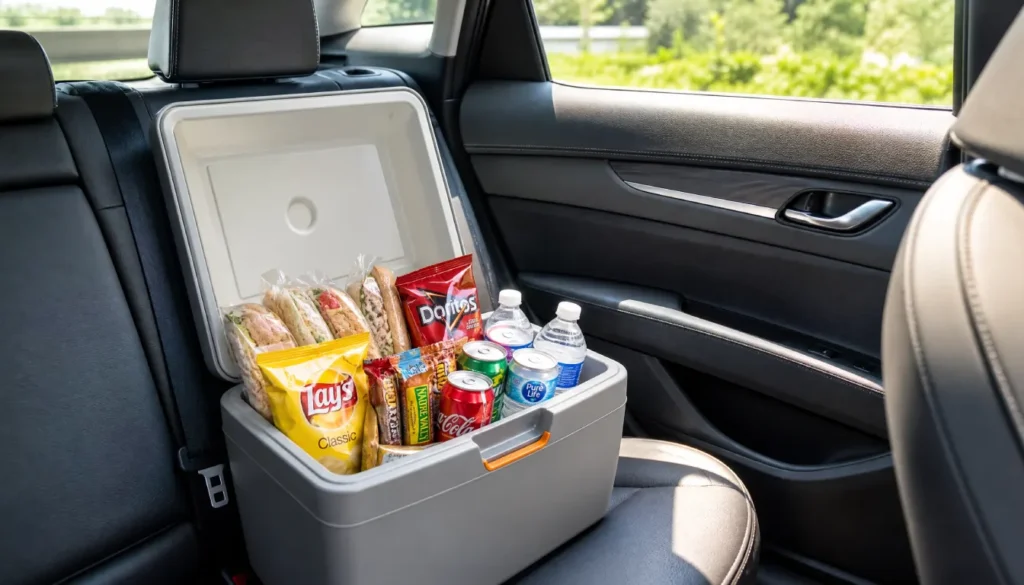
You don’t need a big budget to enjoy solo car travel. Here’s how to keep costs low.
- Cook simple meals instead of eating out every stop.
- Use free camping apps to find no-cost overnight spots.
- Track gas prices along your route and fill up when prices dip.
- Choose off-season travel dates for cheaper stays.
- Pack a cooler instead of relying on convenience store food.
Frequently Asked Questions
Is it safe to road trip alone?
Yes, for most people it is. Millions travel solo every year without major incidents. The key is preparation: plan your route, share your location, and trust your instincts along the way.
What should I know before a solo road trip?
Know your route, check your car, and set a daily driving limit. Also, let someone know your plans and check in with them regularly during the trip.
How can a woman road trip alone safely?
Park in well-lit areas, avoid sharing your solo status with strangers, and choose accommodations that have been reviewed. Many women take solo road trips safely every year with smart planning.
What apps are best for a solo road trip?
Offline map apps, roadside assistance apps, and location-sharing apps are the most useful. They cover navigation, safety, and communication all in one.
How do I stay awake driving alone long distance?
Take breaks every two hours, stay hydrated, and avoid heavy meals while driving. If you feel drowsy, pull over and rest instead of pushing through.
Final Thoughts
A solo road trip is one of the most rewarding things you can do for yourself. Yes, there’s real planning involved. Yes, safety matters. But the freedom you’ll feel behind the wheel, on your own schedule, following your own map, is worth every bit of prep work.
You don’t need to have it all figured out before you leave. You just need a solid plan, a few safety habits, and the willingness to trust yourself along the way.
Have you taken a solo road trip before? Drop your best tip in the comments, or ask a question if you’re planning your first one. I’d love to hear where the road takes you.