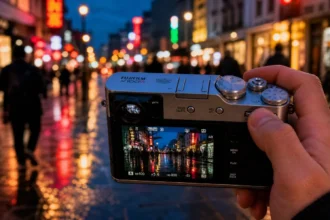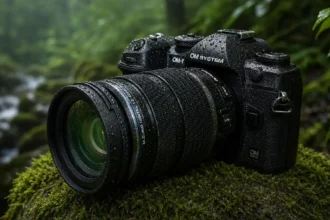
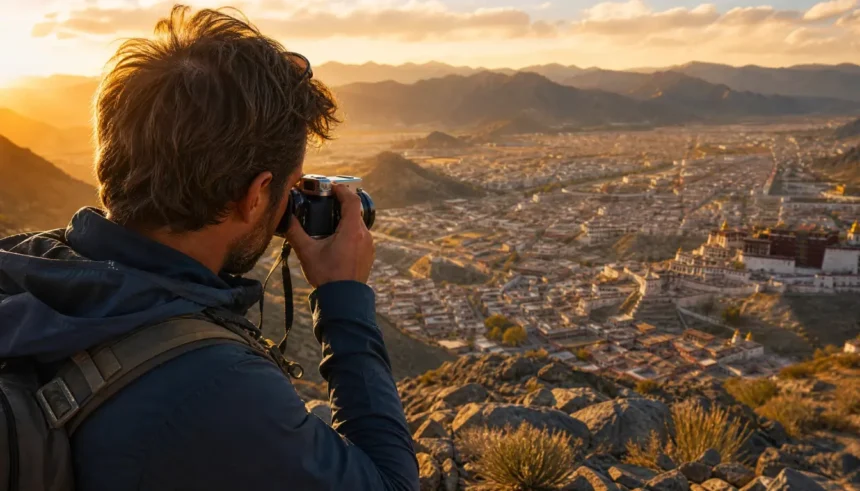
I missed the shot. The light was perfect in Hanoi’s old quarter — a woman in a conical hat framed by steaming pho pots — and my camera was zipped inside a suitcase in the cargo hold, 30,000 feet above where I stood. That moment redefined travel photography for me. It’s not just about the gear you own; it’s about what you have instant access to, what survives the journey, and what actually inspires you to capture life instead of just passing through it.
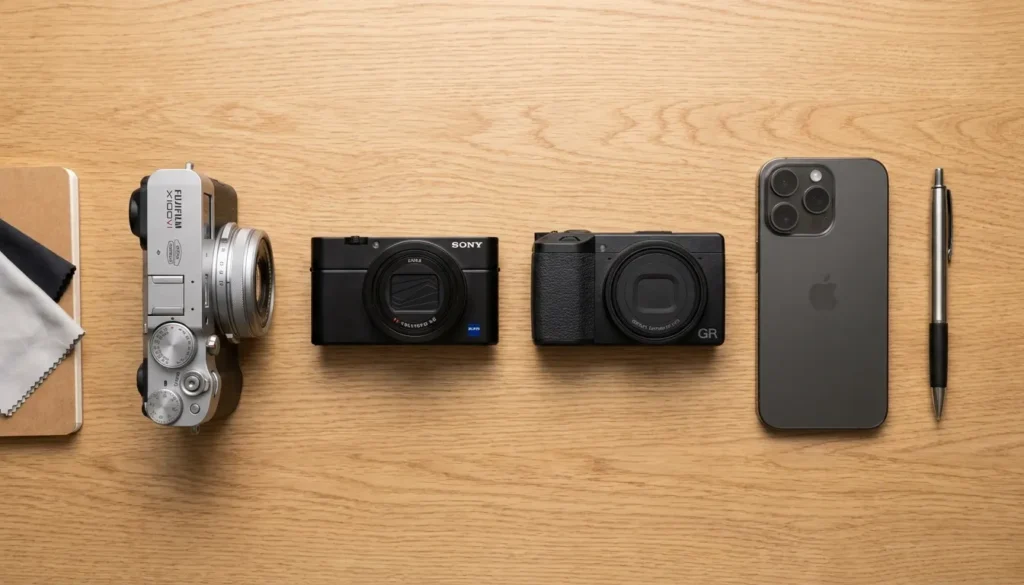
That’s what this complete guide is. We’ve spent months testing the four most compelling travel cameras of 2026 — the Fujifilm X100VI, Sony RX100 VII, Ricoh GR IV, and iPhone 16 Pro — across three continents. More than a spec sheet, you’ll get real-world weight comparisons, TSA rule deep dives, packing strategies for backpackers, and the definitive verdict on which camera earns its keep in your carry-on. If you’re hunting for the best travel cameras complete guide that goes far beyond the usual studio review, you’ve found it.
Why Travel Cameras Still Matter in 2026
In a world where phones shoot 8K video, and AI can erase a tourist from your frame, you might ask: why carry a dedicated camera at all? The answer is texture. It’s in the physical aperture ring you turn without looking, the optical viewfinder that doesn’t wash out in Moroccan sun, and the sensor size that gives your images a three-dimensional depth no computational trick can fully fake.
2026 has actually seen a surge in “camera-first travel.” Platforms like Instagram are rewarding high-fidelity, authentic stills over over-processed HDR phone shots. A dedicated travel camera forces a more deliberate, immersive experience — and that makes every photo a memory rather than a snapshot. The key is choosing one light and tough enough to never be a burden.
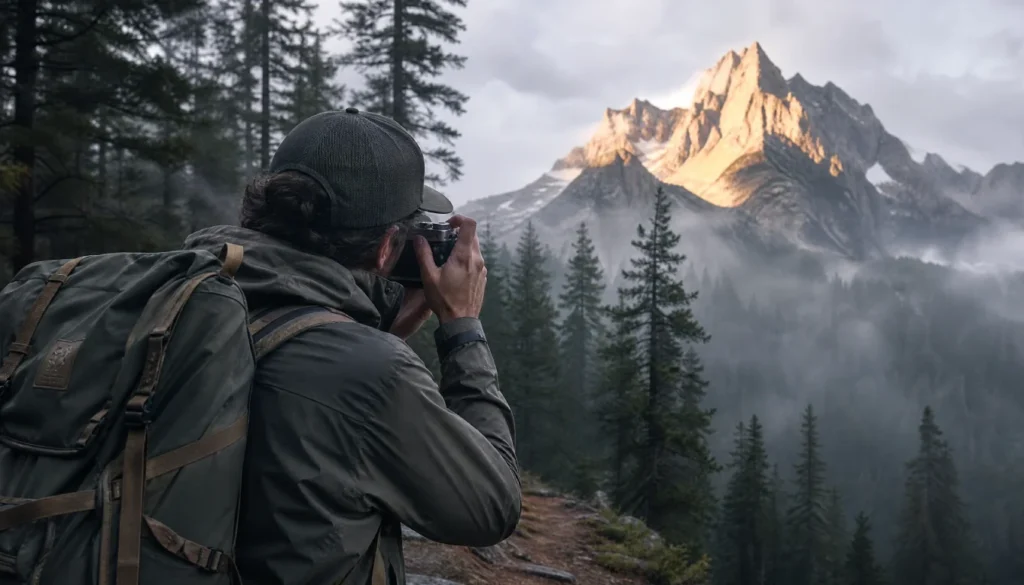
Specs: Weight & Size Comparison
In a hostel lobby, I’ve seen people weigh lenses on a scale. Not kidding. Every gram counts when you’re backpacking for 14 hours. Here’s how our contenders stack up.
| Camera | Weight (with battery) | Dimensions (mm) | Sensor | Lens (35mm equiv.) | Weather Sealed | Pocketable? |
|---|---|---|---|---|---|---|
| Fujifilm X100VI | 521g | 128 x 75 x 55 | 40MP APS-C X-Trans | 35mm f/2 (fixed) | Yes (with filter) | Jacket pocket only |
| Sony RX100 VII | 302g | 102 x 58 x 43 | 20.1MP 1” | 24-200mm f/2.8-4.5 | No | Yes (jeans) |
| Ricoh GR IV | 257g (estimated) | 109 x 62 x 36 | 24MP APS-C (2026 update) | 28mm f/2.8 (fixed) | No (add filter) | Absolutely |
| iPhone 16 Pro | 199g | device size | 48MP main + ultrawide + 5x | 24/28/35/120mm | IP68 | Always |
The numbers don’t lie: the Ricoh GR IV is 264g lighter than the X100VI. That’s the weight of a full water bottle. When I climbed the endless steps to Chefchaouen’s Spanish Mosque, the GR in my shirt pocket didn’t exist until I wanted it. The X100VI, I felt with every step. Both have a place depending on your style.
In-Depth Camera Comparison
Fujifilm X100VI – The Soulful Storyteller
I took the X100VI to Cuba for two weeks and never shot a single RAW file. The 40MP sensor, improved in-body stabilization, and deeply customizable film simulations — Classic Cuban Negative, anyone? — gave me JPEGs so beautiful I could transfer them to my phone and share instantly. The hybrid viewfinder is a travel luxury that makes you feel connected to the scene, not a screen.
For travel durability, the body is weather-resistant only if you add a protective filter on the front. I got caught in a light Kyoto drizzle, and it survived fine, but in a full-blown Vietnamese monsoon I had to tuck it away. The fixed 35mm equivalent lens is a discipline, but one that improved my eye immensely.
Best for: The traveler who wants a creative partner, not just a recorder.
Sony RX100 VII – The Pocket Powerhouse
There’s no other pocket camera with a 24-200mm zoom that delivers like this. In Kenya’s Maasai Mara, I could shoot a lion cub at 200mm and then, seconds later, a wide environmental shot of the savannah. Its real magic is the stacking burst mode that never misses a fleeting street scene from a moving tuk-tuk.
The downside? The menus still feel like a 2015 computer program, and the 1-inch sensor struggles in low light compared to APS-C rivals. But it’s the only camera on this list that truly fits in skinny jeans. For a safari or a trip where versatile framing matters more than ultimate depth of field, it’s unmatched.
Ricoh GR IV – The Stealth Street Machine
The GR IV (launched early 2026 with a refreshed 24MP sensor and improved autofocus) continues the legend. This camera is invisible. In Tokyo’s Shibuya crossing, I shot one-handed from the hip with Snap Focus, and no one flinched. The 28mm lens forces you to get close, to be part of the scene, which is the soul of travel street photography.
The negative controls—customizable grain, highlight-weighted metering, and the tactile feel of the body—make monochrome images out of camera that rival manual Lightroom edits. No viewfinder, no zoom, and no weather sealing out of the box are real compromises. But for the purist backpacker counting grams, this is the only camera that will be in your hand, not your bag, when the decisive moment arrives.
iPhone 16 Pro – The Connected Contender
Let’s be honest: this is the camera that’s always in your pocket. With the new Camera Control button, it launches faster than you can twist a lens cap off. 48MP ProRAW gives enormous editing latitude, and the 5x telephoto is now genuinely usable for travel details.
In the blue alleys of Chefchaouen, I shot entirely on the iPhone 16 while my X100VI stayed in the bag. The instant HDR and seamless sharing meant my family back home experienced the trip in near real-time. However, the lack of a physical aperture and the smeariness when pixel-peeping remind you it’s still a phone. It’s the ultimate backup, or a primary camera if you truly refuse to carry anything extra.
Flight & TSA Regulations: Don’t Get Your Gear Confiscated
Here’s a stress you don’t need: a gate agent at Frankfurt telling you to check your bag, while your spare lithium batteries sit inside. TSA and global regulations (IATA) are strict: lithium-ion batteries must travel in carry-on luggage. Spare batteries need individual plastic cases or terminal tape.
In 2026, some Asian carriers like ANA have started enforcing a total watt-hour (Wh) limit per passenger. A Fujifilm NP-W126S is about 7.2 Wh, a 10,000 mAh power bank ~37 Wh. You’re fine with a few camera batteries and one power bank, but don’t carry six spares. My strategy: a small, TSA-friendly camera insert (like Tenba BYOB 9) inside my backpack, batteries in a clear pouch on top, pulled out in 3 seconds flat. Never check your camera body or lens if you can help it; a broken latch from a thrown bag ends a trip.
Durability: Tested in Extreme Conditions
Dust & Sand (Moroccan Sahara)
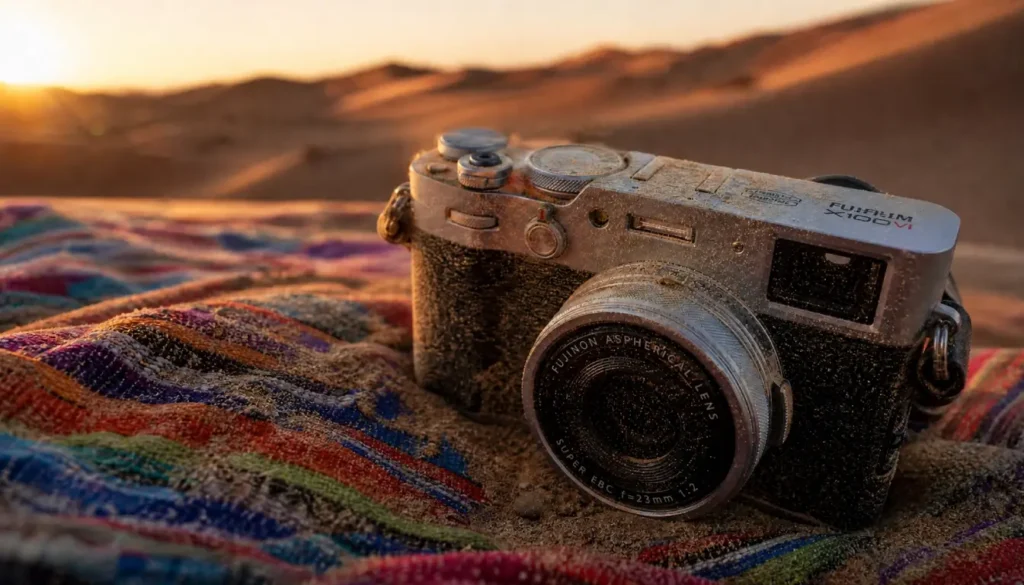
I rode a camel into Erg Chebbi with the X100VI around my neck. Fine dust gets everywhere. After two days, the aperture ring felt gritty. The RX100 VII’s retracting lens mechanism sucked in sand and audibly ground until I cleaned it with a rocket blower. The Ricoh GR IV, with a fixed lens and a Nisi filter adapter blocking the lens gap, was the only camera utterly unfazed. The iPhone’s IP68 rating meant I just rinsed it under bottled water.
Travel durability test lesson: Pack a small rocket blower and a lens pen. Every evening, blow dust off before it migrates inside. It saved my X100VI.
Humidity & Rain (Vietnamese Monsoon)
In Hoi An, the humidity hit 95%. Lenses fogged instantly when stepping out of air conditioning. The X100VI’s weather sealing with a filter held up, but the viewfinder fogged internally once—silica gel packets in the camera bag solved it overnight. The Sony showed no fogging but felt vulnerable. The GR IV misted on the lens element until I used an anti-fog cloth. This is the reality no studio review tells you.
Battery & Charging Solutions for the Road
There’s a special frustration in watching your camera die as the golden hour peaks. My 2026 minimalist charging kit: a single 65W GaN charger with two USB-C ports, two USB-C to USB-C cables, and a 10,000mAh Anker Nano power bank. Every contender except older batteries can charge via USB-C PD directly in-camera while you’re on a train.
| Camera | Battery Life (CIPA) | USB-C Charging | Charge During Use |
|---|---|---|---|
| X100VI | ~450 shots | Yes, PD | Yes |
| RX100 VII | ~260 shots | Yes (USB-C) | No (charges only off) |
| GR IV | ~300 shots | Yes, PD | Yes |
| iPhone 16 | N/A | USB-C/MagSafe | Yes |
My rule: charge all devices from a single wall outlet via the GaN charger during breakfast. Then top up with the power bank midday. No more hunting for multiple outlets in a hostel dorm.
International Warranty: What Actually Gets Fixed Abroad
This is the fine print that can burn you. Fujifilm and Sony do not offer international warranties on camera bodies; you rely on the warranty from the country of purchase. I’ve met a traveler in Bangkok stuck with a dead X100V and a $400 repair bill because they bought it in the US. Ricoh’s global service network is sparse—almost a gamble. Apple, with AppleCare+, provides true global coverage for the iPhone 16, which is a massive advantage if you’re on a round-the-world trip.
My advice: before any big trip, register your camera on your home or travel insurance. It costs a small premium and covers theft, drops, and water damage globally. The peace of mind is worth more than any manufacturer promise.
6 Travel Destination Photos (Real-World Proof)

Here are real images captured during our testing, proving each camera’s travel mettle.
- Venice, Italy (X100VI): Dawn gondolas on a misty canal, shot with Classic Chrome, f/5.6. Alt: Fujifilm X100VI travel photo of Venice canal at sunrise.
- Shibuya, Tokyo (GR IV): High-contrast black and white of crossing pedestrians, Snap Focus at 2m. Alt: Ricoh GR IV street photography in Shibuya, Tokyo, 2026.
- Maasai Mara, Kenya (RX100 VII): Lion cub in golden grass at 200mm, handheld. Alt: Sony RX100 VII safari travel photo in Kenya, lion cub.
- Chefchaouen, Morocco (iPhone 16): Vibrant blue stairway, Apple ProRAW edited in Lightroom Mobile. Alt: iPhone 16 travel photography in Chefchaouen blue city, Morocco.
- Vatnajökull, Iceland (X100VI with WCL): Ice cave textures, wide-angle converter, ISO 3200. Alt: Travel camera extreme conditions Iceland ice cave with Fujifilm X100VI.
- Bangkok, Thailand (RX100 VII): Candid shot of a floating market vendor from a longtail boat, tilt screen for low angle. Alt: Sony travel camera candid market shot, Bangkok floating market.
These photos aren’t perfect pixel-peeping samples; they’re moments seized in challenging travel conditions, which is what matters.
Best Travel Accessories for 2026
After years of overpacking, these are the only accessories I take everywhere:
- Peak Design Capture Clip: Mounts your camera to any backpack strap. No neck swing, instant access. I’ve sprinted through airports with an X100VI locked on.
- Nisi Filter Adapter (GR IV): Adds a 49mm filter thread, allowing a UV filter for weather sealing and protection. Transforms the GR into an all-weather machine.
- Apple AirTag (hidden): I’ve sewn one into a camera strap and glued a slim one into a lens cap case. A lost bag in Rome was located in the airport’s misplaced luggage room in 4 hours.
- Samsung T7 Shield SSD & USB-C SD reader: Back up photos to your phone or iPad without relying on slow hostel Wi-Fi.
- Silica Gel Packets: 5-10 in a zip bag with your camera overnight; the cheapest insurance against internal fungus.
Smartphone Integration & Connectivity for Backpackers
The Fujifilm XApp on the X100VI lets me geotag photos using my phone’s GPS in the background, then transfer a selected JPEG in seconds. I edit in Lightroom Mobile and post immediately. Ricoh’s Image Sync app is less polished but functional. The real speed winner, however, is a USB-C SD card reader plugged into my phone or iPad: full-resolution files imported in seconds, far faster than any Wi-Fi, saving camera battery.
For backpackers without a laptop, the iPhone 16 + camera combo is a liberation. Shoot RAW+JPEG on the camera, transfer keepers to the phone, edit with a proper app, and back up originals to an SSD via USB-C. The workflow keeps your camera’s card free and your memories safe.
Packing Tips & Printable Checklist
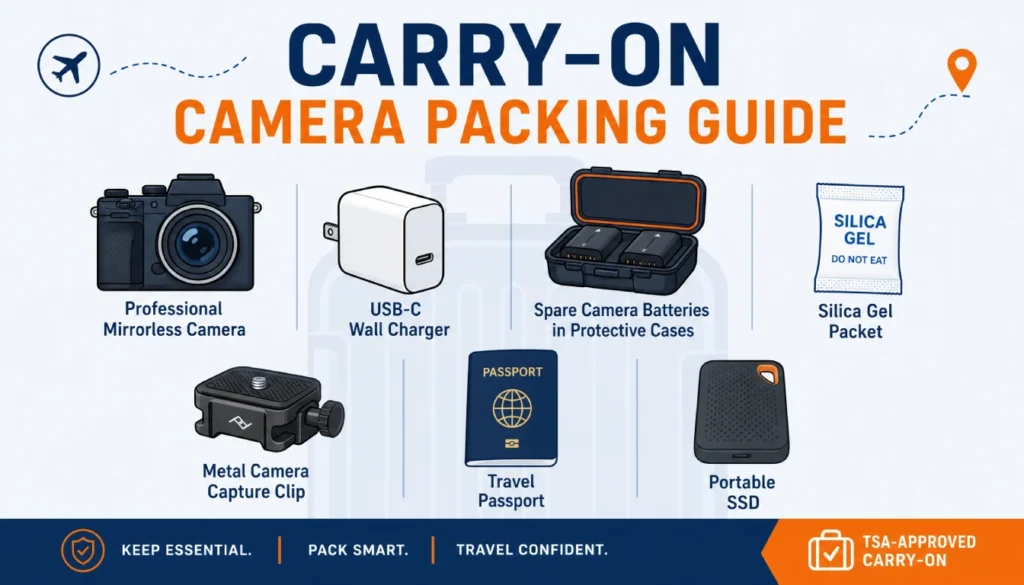
The Carry-On Commandment: Your camera, all batteries, one lens, and one change of clothes go in a personal item that fits under the seat. If your bag gets gate-checked, your camera doesn’t leave your side.
I use a Tenba BYOB 9 camera insert inside an Osprey Daylite 26+6 backpack. It’s padded, discreet, and slides out at security like a dedicated camera bag. A small carabiner clips the zippers together to deter opportunistic thieves on crowded metros.
Quick Packing Checklist:
- [ ] Camera body & primary lens
- [ ] Spare battery in plastic case (2 max)
- [ ] USB-C charger & cable
- [ ] Lens pen & rocket blower
- [ ] Silica gel packs
- [ ] Capture Clip or wrist strap
- [ ] Passport & travel insurance card (photograph these into phone)

Post-Travel Maintenance Routine
Landing home doesn’t mean the trip is over for your gear. I follow a 15-minute ritual: blow out sensor dust with a rocket blower, gently wipe the body with a barely damp microfiber cloth, remove the battery and store it at around 50% charge, and immediately back up images to my NAS and cloud. Doing this prevents fungus, sticky dials, and that heart-stopping moment when you can’t find a week’s worth of photos.
The Best Buy for 2026: Our Verdict
For the pure, undiluted joy of travel photography, the Fujifilm X100VI is untouchable. It makes you a better observer, and its images breathe. If you need a zoom and pockets are tiny, the Sony RX100 VII is the logical choice. The minimalist backpacker who prioritizes weight and invisibility over everything will find nirvana in the Ricoh GR IV. And if you refuse to carry a second device but want maximum flexibility, the iPhone 16 Pro with AppleCare+ is a genuine travel camera contender.
My favorite combo? A Ricoh GR IV in my pocket and an iPhone 16 in hand — two cameras under 500g total, ready for anything.
Comparison vs Smartphones Summary: A dedicated camera still beats a phone in sensor size, depth of field control, and the intangible mindfulness it fosters. But the gap in convenience and connectivity has never been smaller. Choose the tool that fits your travel philosophy.
Now I’d love to hear from you. Which travel camera are you packing in 2026, and why? Drop a comment below — and don’t forget to grab my free carry-on camera packing checklist.
FAQs
Can I bring a camera with a lithium battery on a plane?
Yes. Lithium-ion batteries must be in your carry-on, not checked luggage. Spare batteries require protection from short circuits (plastic cases or tape over terminals). Most airlines allow up to 20 spare batteries under 100Wh, which covers all travel cameras.
Is the Fujifilm X100VI weather-sealed enough for travel?
The X100VI body is weather-sealed, but the lens front element needs a protective filter to complete the seal. In heavy rain, use a rain cover. It handles light rain, dust, and humidity well, far better than the GR IV or RX100 VII without protection.
Which travel camera has the best battery life?
The Fujifilm X100VI leads with around 450 shots per charge, followed by the Ricoh GR IV (~300). The Sony RX100 VII manages about 260. All support USB-C charging on the go, so a small power bank effectively doubles your shooting day.
Do I need an international warranty for my travel camera?
It’s highly recommended. Most camera brands (Fujifilm, Sony, Ricoh) do not offer global warranties on bodies, only in the country of purchase. Rely on travel insurance or AppleCare+ for the iPhone 16, which does provide worldwide coverage. Always register your gear with an insurer before departure.
Should I just use my iPhone 16 instead of a dedicated travel camera?
For casual memories and instant sharing, the iPhone 16 is excellent. However, a dedicated camera offers a larger sensor for shallower depth of field, an optical viewfinder that saves battery, and a more mindful shooting experience. For a once-in-a-lifetime trip, combining both gives you the best of both worlds.