
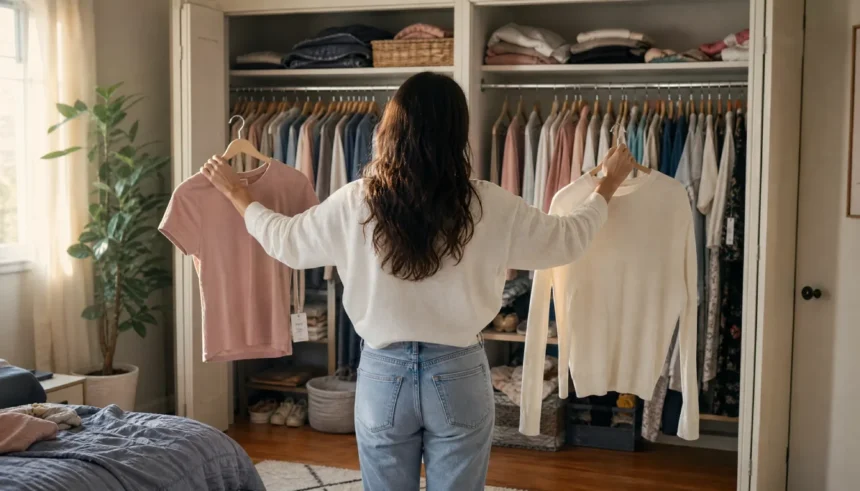
You open your closet and see tags still hanging on shirts you forgot you bought. Your bank app makes you wince. You’re not in a shopping crisis, but the small purchases add up, and the guilt keeps coming back. If you’ve been searching for how to stop buying things you don’t need, you’re in the right place.
This guide gives you real strategies, not extreme minimalism and not a lecture. I’ve used every tip here myself. Some of them changed my spending within a week.
Why Do We Buy Things We Don’t Need? (The Psychology Made Simple)
Shopping triggers a small dopamine hit before you even open the box. Your brain rewards the anticipation, not the item itself. That’s why the thrill fades fast once the package arrives.
Psychologists call this the Diderot effect: one new purchase makes everything around it feel outdated. Buy a new lamp, and suddenly the whole room looks wrong. Buy new shoes, and your other clothes look tired next to them.
Retailers know this. Limited-time sales, countdown timers, and “only 3 left” messages push you to decide fast, before logic catches up with emotion. Once you see the pattern, it’s much easier to interrupt it.
7 Immediate Strategies to Stop Impulse Buying Today
These stop impulse buying tips work because they add friction. Friction gives your brain time to catch up before your wallet does.
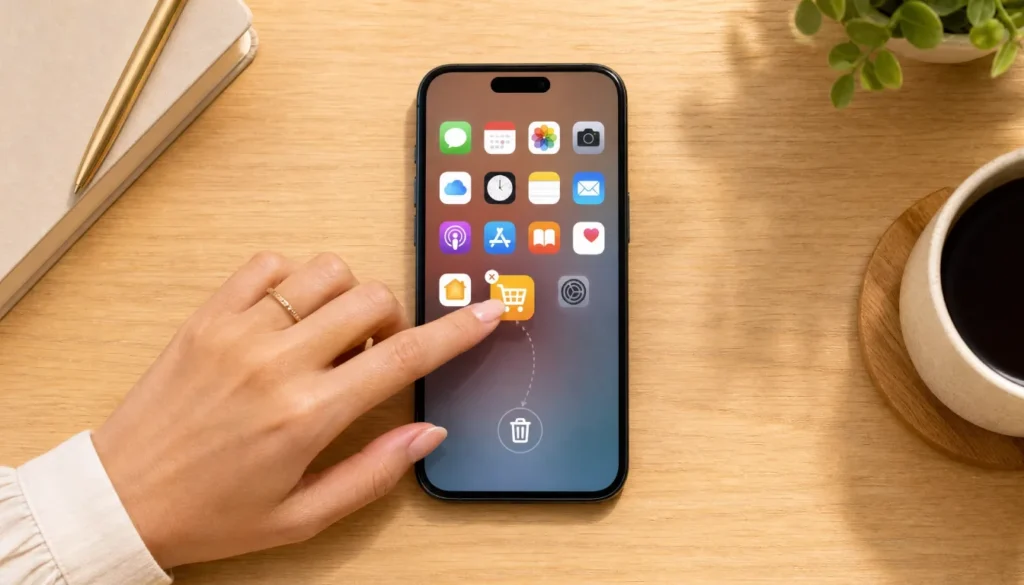
- Delete shopping apps from your phone. If you have to open a browser and type the store name, you’ve already broken the automatic habit.
- Unsubscribe from marketing emails. Every sale email is a nudge you didn’t ask for.
- Use the 48-hour rule. Add the item to your cart, then wait two days. Most urges fade by day two.
- Unfollow accounts that push products. Influencer content is built to make you want things you didn’t know existed an hour ago.
- Turn off saved payment info. Typing your card number by hand adds just enough friction to make you pause.
- Set a weekly “fun money” cap. A fixed number stops the constant mental math of “can I afford this.”
- Ask what you’re replacing. If the new item doesn’t replace something worn out or broken, that’s a signal to skip it.
How to Handle Emotional Spending (Boredom, Stress, and the Void)
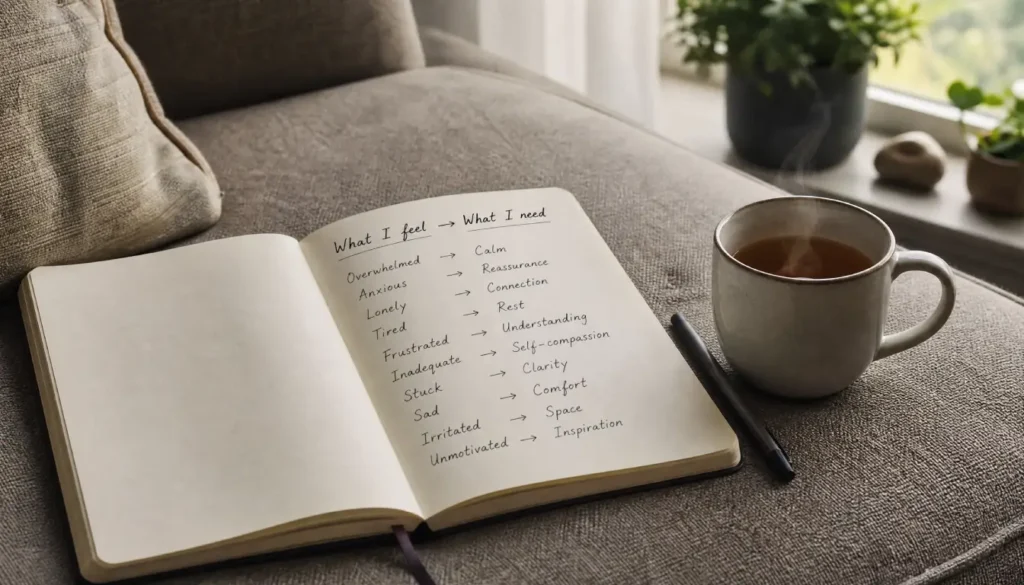
Learning how to stop emotional spending starts with noticing what you’re feeling right before you shop. Boredom, stress, and loneliness all show up disguised as “I need this.”
I used to buy a new skincare set every time work got stressful. The package gave me a tiny high for about a day. Then I forced myself to wait 48 hours before any non-essential purchase. After three weeks, I’d skipped 200 dollars of impulse buys and realized I just needed a walk, not another serum.
If you’re facing the urge to shop because you’re bored, anxious, or sad, follow these three steps:
Step 1: Pause and name the emotion out loud. Say it plainly: “I’m bored” or “I’m stressed about work.”
Step 2: Do a five-minute alternative activity. Walk, stretch, or call a friend.
Step 3: Ask if buying this will actually fix how you feel. If the answer is no, close the tab and move on.
Learning how to stop shopping when bored took me longer than I expected. What finally worked was keeping a short list of five-minute activities taped near my desk, so I never had to think of one on the spot.
Long-Term Habits That Make Buying Less Automatic
Quick fixes help in the moment, but lasting change comes from habits you barely notice after a while.
- Track every purchase for one month. Just seeing the numbers changes behavior. Most people cut spending by simply writing it down.
- Unfollow sale-heavy retailers on social media. Out of sight really does mean out of mind here.
- Keep a running wish list instead of buying right away. Revisit it after two weeks. Most items lose their appeal.
- Set a specific goal for the money you save. A trip, an emergency fund, or debt payoff gives your brain a reason to say no.
- Do a slow lap of any store before picking anything up. Touching an item increases the odds you’ll buy it, so look first.
A minimalist shopping challenge for beginners is a good next step once these habits start to stick. It gives you a structured way to practice saying no without pressure.
How to Start a No-Buy Month (Beginner-Friendly Rules)
A no-buy month resets your habits fast. It works because it removes the daily decision of “should I buy this,” replacing it with one simple rule: not this month.
Even simple shopping ban rules for beginners can reset your habits in ways a vague goal like “spend less” never will. Clear rules remove the guesswork.
Here’s a beginner framework:
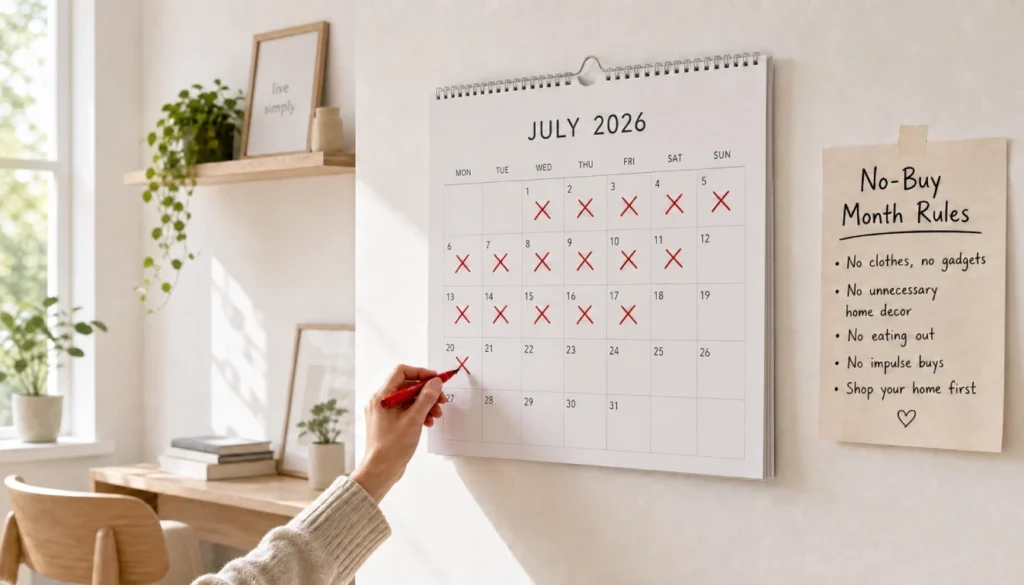
- Pick one category to ban completely. Clothes, gadgets, or beauty products work well as a starting point.
- Allow essentials only. Groceries, medicine, and bills stay untouched.
- Write your rules down and post them somewhere visible. A sticky note on your monitor works fine.
- Track your progress on a calendar. Crossing off each day builds momentum.
- Plan one reward for the end of the month. Not a purchase, but something free: a hike, a movie night, a day off from errands.
What to Do When You Slip Up (Because You Will)
You will break a rule at some point. That’s normal, and it doesn’t erase your progress.
I’ve talked to dozens of readers through comments and emails about this exact moment, and the biggest mistake is quitting the whole plan after one slip. One purchase doesn’t undo three weeks of better habits.
When it happens:
- Skip the guilt spiral. It won’t undo the purchase.
- Write down what triggered it. Stress, a sale, a specific store.
- Adjust one rule if it clearly wasn’t realistic.
- Start the next day fresh, not the next month.
Progress here looks like fewer slips over time, not zero slips from day one.
Frequently Asked Questions
How long does it take to break a shopping habit?
Most people notice a real shift after three to four weeks of consistent small changes. Full habit change often takes closer to two to three months.
What if I need to buy something during a no-buy month?
Add it to a wish list and revisit it once the month ends. If you still want it and it fits your budget, buy it then with a clear head.
Is a no-buy month too extreme for a beginner?
Not if you keep the rules simple and limited to one category. Start small and build from there.
Does this work for big purchases too, not just small ones?
Yes. The 48-hour rule and the wish list method both work well for bigger decisions like electronics or furniture.
Your First Week Without Unnecessary Buys
Figuring out how to stop buying things you don’t need isn’t about willpower alone. It’s about removing the small triggers that lead to automatic purchases, one at a time.
Start this week with just one strategy from this guide. Delete a shopping app, try the 48-hour rule, or write down your spending for seven days. Small changes compound faster than most people expect.
You don’t need a perfect system to stop buying things you don’t need. You need one honest week and a willingness to notice your patterns.
Your next step: pick one strategy from this article and try it for the next seven days. Then come back and share in the comments which one worked best for you.