

Last spring, a friend invited me to a weekend trip that would have cost me almost $600. Old me would have said yes and quietly panicked about my bank account for weeks. New me just said, “I can’t afford that right now; I’m saving for something bigger.” She nodded. Nobody died. Nothing got weird.
That moment changed how I think about money. I used to hide my budget like a secret. I’d make up excuses instead of just telling people the truth. Turns out, there’s a name for the opposite approach, and it’s called loud budgeting.
If you’ve seen this term on TikTok or heard friends talk about it, you’re in the right place. This article breaks down what loud budgeting actually means, how it’s different from quiet luxury, why it might change your relationship with money, and how to start doing it yourself.
What Is Loud Budgeting?
Loud budgeting is the practice of talking openly about your financial goals and limits instead of hiding them. Instead of making a vague excuse when you skip a pricey dinner, you just say the real reason. You’re saving money, and you’re not ashamed of it.
The term became popular in 2023 and has kept growing since. Comedian Lukas Battle is often credited with sparking the loud budgeting trend in a viral TikTok video. He joked about announcing his financial choices out loud instead of pretending he simply “wasn’t hungry” when he skipped an expensive brunch.
At its core, loud budgeting is a mindset shift. It turns saving money into something you’re proud of, not something you hide. Your spending choices become part of normal conversation, the same way people talk about their workout routine or their weekend plans.
Loud Budgeting vs Quiet Luxury: What’s the Difference?

For a while, quiet luxury ruled social media. It was all about expensive things that looked understated. Plain logos. Neutral colors. Spending a lot of money while making it look like you didn’t.
Loud budgeting flips that idea. It’s not about hiding your money choices behind subtlety. It’s about saying them out loud, whether that means skipping a purchase or bragging about hitting a savings goal.
Here’s a quick comparison:
| Quiet Luxury | Loud Budgeting |
|---|---|
| Hides how much money you spend | Talks openly about what you spend and save |
| Focuses on expensive, understated items | Focuses on financial goals and boundaries |
| Values looking wealthy | Values being financially honest |
| Can hide real financial stress | Reduces shame around saving money |
| Built on image | Built on communication |
Both trends reflect something bigger. People are rethinking what it means to show status. For a growing number of people, financial peace matters more than looking rich.
Why Loud Budgeting Is Gaining Ground in 2026
Money stress hasn’t gone away. Prices are still high, and a lot of people are watching their spending more carefully. Loud budgeting fits this moment because it gives people permission to say no without guilt.
It also fits how people already talk online. Financial transparency has become part of everyday content, from salary posts to spending breakdowns. Loud budgeting takes that openness and applies it to daily life, not just social media captions.
There’s also a mental health angle. Money shame is real, and it builds up quietly over time. Saying your limits out loud takes away some of that weight. You stop carrying the stress alone.
Benefits of Loud Budgeting
Loud budgeting isn’t just a catchy phrase. It comes with real, practical benefits.
- Less money shame. Saying your budget out loud makes saving feel normal, not embarrassing.
- Stronger financial boundaries. You get comfortable saying no to spending that doesn’t fit your goals.
- Faster progress on savings. When your goals are public, even just to friends, you tend to stick with them.
- Better relationships. Friends and family understand your choices instead of guessing or judging.
- More confidence with money. Talking about it regularly makes budgeting feel like a skill, not a burden.
- Less impulse spending. It’s harder to say yes to something you can’t afford once you’ve already said your goal out loud.
How to Start Loud Budgeting: A Simple Guide

Getting started doesn’t require a big announcement or a dramatic life change. Here’s a simple way to ease into it.
1. Get clear on your goal
Before you can talk about your budget, you need to know what you’re working toward. Are you paying off debt? Saving for a trip? Building an emergency fund? Name it clearly.
2. Practice one honest sentence
Pick a simple phrase you can use when money comes up. Something like, “I’m not spending on that this month; I’m saving for a car.” Keep it short and matter-of-fact.
3. Start small
You don’t need to announce your entire budget to everyone you know. Start with close friends or your partner. Let it grow naturally from there.
4. Say no without over-explaining
You don’t owe anyone a long story. A short, honest answer is enough. People respect confidence more than a nervous excuse.
5. Celebrate your wins out loud too
Loud budgeting isn’t only about saying no. Share your progress too. Paid off a credit card? Hit a savings goal? Say that out loud as well.
Loud Budgeting Examples in Real Life
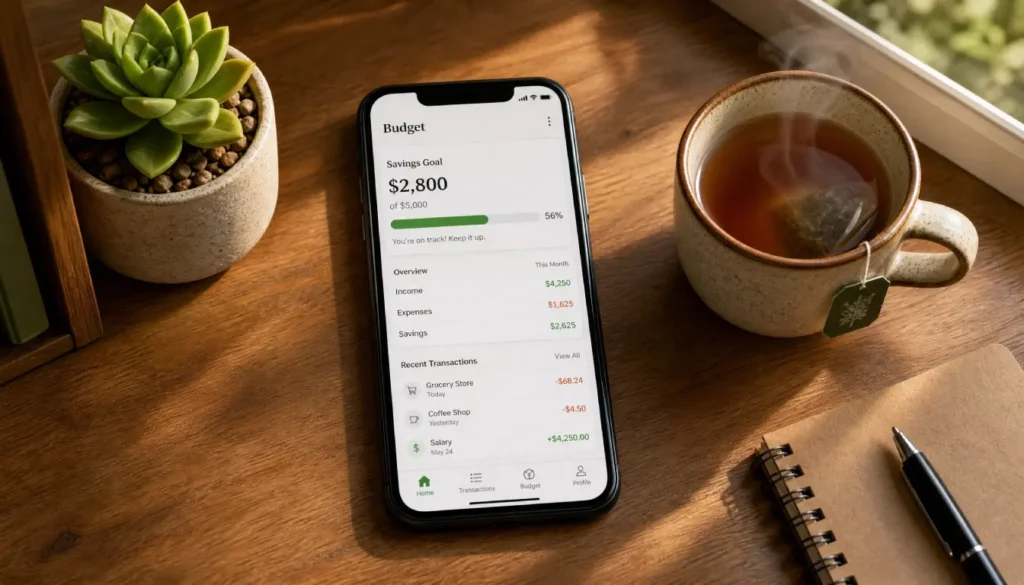
Seeing this in action makes it easier to picture how it works. Here are a few everyday examples.
- Telling coworkers you’re skipping the expensive team lunch because you’re saving for a house down payment.
- Letting your partner know you’re pausing takeout orders this month to hit a savings goal.
- Posting online about paying off a credit card instead of staying quiet about debt.
- Telling friends you’re doing a no-buy year and explaining what that means when they ask.
- Explaining to family that you’re skipping a destination wedding because it doesn’t fit your budget right now.
Mistakes to Avoid With Loud Budgeting
Loud budgeting works best when it stays simple and kind. A few things can get in the way.
Turning it into a lecture. You don’t need to convince everyone else to budget the way you do. Share your own choices, not judgment about theirs.
Oversharing every detail. You don’t need to list exact numbers to be honest about your goals. A general statement is usually enough.
Using it to guilt others. Loud budgeting is about your boundaries, not about making other people feel bad for spending differently.
Giving up after one awkward moment. The first time you say no out loud might feel strange. It gets easier with practice.
Loud Budgeting in Relationships and Friendships
Money conversations can feel tense, especially with people you care about. Loud budgeting actually makes these conversations easier over time, not harder.
With a partner, it means being upfront about spending limits instead of letting money stress build quietly in the background. Couples who talk openly about goals tend to make decisions together instead of guessing what the other person wants.
With friends, it means you can join in on plans that fit your budget and skip the ones that don’t, without any awkward excuses. Real friends will understand. The ones who don’t were probably never going to respect your boundaries anyway.
Frequently Asked Questions
What is loud budgeting in simple terms?
Loud budgeting means talking openly about your money goals and limits instead of hiding them. You explain your real reasons for spending or saving instead of making excuses.
Who started the loud budgeting trend?
The term gained popularity through a TikTok video by comedian Lukas Battle in early 2023, and it grew from there as more people picked up the idea.
Is loud budgeting the same as bragging about money?
No. Loud budgeting is about being honest regarding your goals and limits, not showing off. It’s more about saying “I can’t afford that right now” than “look how much money I have.”
Does loud budgeting actually help you save more?
For many people, yes. Saying your goals out loud creates a kind of accountability. It’s harder to break a promise you’ve made publicly, even a small one.
Can loud budgeting work if I’m shy about money talk?
Yes. You can start small with one honest sentence to one close friend. It doesn’t need to be a big announcement to work.
Final Thoughts
Loud budgeting isn’t about turning your finances into a performance. It’s about permitting yourself to be honest, with others and with yourself, about what you can and can’t afford right now.
If you’ve spent years hiding your budget out of embarrassment, this shift can feel like relief. You stop carrying financial stress alone, and you start making choices that actually match your goals.
Try saying one honest sentence about your budget this week. Notice how it feels. Then tell me about it. Drop a comment and share your experience with loud budgeting, or ask any questions you still have. I’d love to hear how it goes for you.