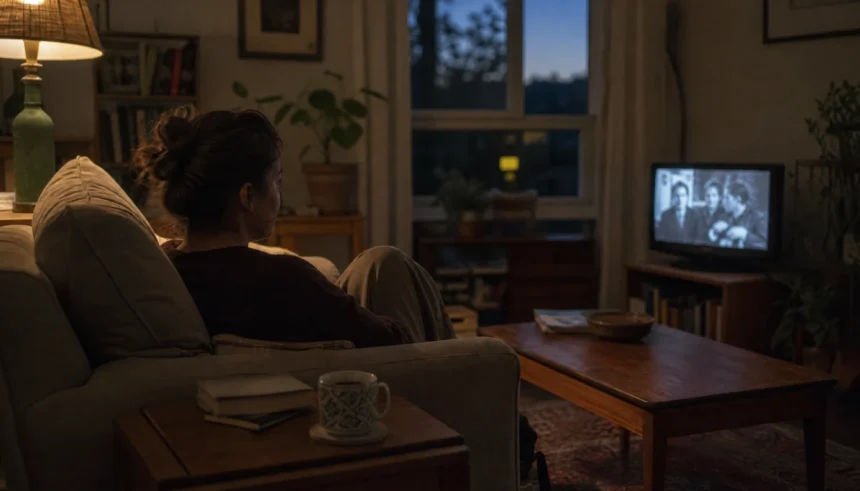
A few months ago, I sat down to watch a film with my phone tucked away in another room. No scrolling, no second screen, just me and a movie about a man fixing a boat. Nothing “happened” for the first twenty minutes. And somehow, I couldn’t look away.
That was my first real encounter with slow cinema. If you’ve ever felt exhausted by movies that jump-cut every two seconds or plots that never let you breathe, you already understand the itch this style scratches. This article walks through what slow cinema actually is, where it came from, and why so many people are turning to it again right now.
What Is Slow Cinema, Exactly?
Slow cinema is a film style built around patience. Long takes, minimal dialogue, and quiet scenes that let a moment sit instead of rushing to the next one. There’s a slow cinema definition floating around in film schools, but the simple version is this: it’s cinema that trusts you to watch and feel without being told what to think.
Directors who work in this style often let a single shot run for minutes at a time. A character walking down a road. Rain falling on a window. A meal being cooked in real time. These moments aren’t filler. They’re the point.
The Roots of the Slow Cinema Movement
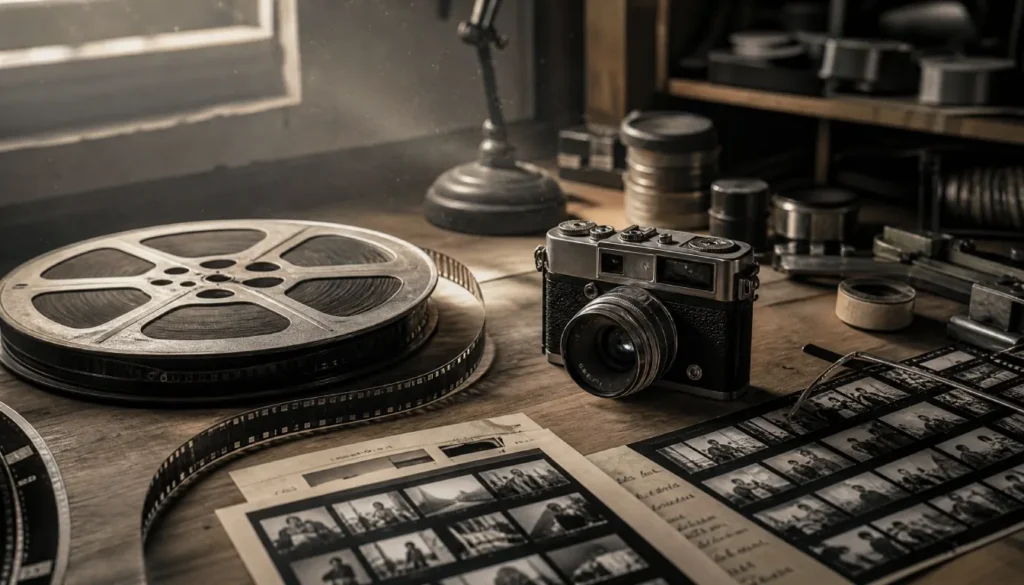
The slow cinema movement didn’t appear overnight. It grew out of earlier film traditions that valued observation over spectacle.
- Italian neorealism showed ordinary life without polish
- French New Wave directors experimented with pacing and silence
- Japanese filmmakers like Yasujiro Ozu built entire careers on stillness
By the 1970s and 1980s, directors started pushing this even further. Andrei Tarkovsky became one of the clearest voices for this approach, often described through the idea of transcendental style, where the camera lingers until the viewer settles into a different rhythm.
Béla Tarr took it even slower. His films use long-take cinematography that can stretch past ten minutes without a single cut. Chantal Akerman did something similar, filming daily routines with such precision that ordinary tasks became hypnotic.
More recently, directors like Tsai Ming-liang and Apichatpong Weerasethakul carried this tradition into contemporary arthouse cinema, blending stillness with dreamlike storytelling.
Slow Cinema vs Fast Cinema: What’s the Real Difference?
It helps to see the contrast side by side.
| Feature | Slow Cinema | Fast Cinema |
|---|---|---|
| Pacing | Long takes, minimal cuts | Quick cuts, high energy |
| Dialogue | Sparse, often silent | Frequent, plot-driven |
| Camera | Static or slow movement | Fast pans, shaky cam |
| Focus | Mood and atmosphere | Action and plot |
| Viewer role | Active observer | Passive follower |
Fast cinema tells you what to feel through music and editing. Slow cinema hands you the moment and lets you sit with it. Neither one is better. They just ask different things of you.
Why Is Slow Cinema Becoming Popular Again?
This is the question everyone’s asking, and I think the answer comes down to burnout. We live inside short-form content all day. TikTok, reels, notifications every few minutes. Our brains are tired of being pulled in ten directions at once.
Slow cinema offers the opposite experience. Here’s why people are drawn back to it.
1. It Feels Like a Break From Constant Stimulation
After a day of fast scrolling, a slow film feels like exhaling. There’s a real connection between slow cinema and mindfulness here. The pacing forces you to slow your own breathing and attention, almost like a moving meditation.
2. Streaming Platforms Made It Accessible
You used to need a film festival pass or a specialty theater to find these movies. Now MUBI and Criterion Channel put slow cinema examples right in your queue. That access alone explains a lot of the slow cinema resurgence.
3. Gen Z Is Rediscovering Stillness
It sounds surprising, but younger viewers raised on fast content are some of the biggest fans of this shift. Video essays and film clubs on platforms built for short attention spans are somehow pointing people toward three-hour meditative films. The irony works in slow cinema’s favor.
4. It Rewards Attention Instead of Punishing Distraction
Fast media assumes you might look away, so it repeats itself constantly. Slow cinema assumes you’re watching. That respect for your attention feels rare, and honestly, kind of refreshing.
Characteristics of Slow Cinema You’ll Start Noticing
Once you know what to look for, these traits show up everywhere in the genre.
- Long, unbroken takes that hold on one scene
- A static or slowly moving camera
- Minimal or absent dialogue
- Real-time pacing for everyday tasks
- Ambient sound instead of a heavy score
- Wide shots that place people inside their environment
- A story that reveals itself through mood, not plot twists
How to Watch Slow Cinema Without Getting Bored
I’ll be honest, my first attempt at a slow film didn’t go great. I kept checking my phone. Here’s what actually helped me stick with it.
- Pick a short one first. Start around 90 minutes, not three hours.
- Turn off your phone completely, not just silence it.
- Watch during daylight or with good lighting, so you stay alert.
- Let go of needing a plot. Watch for mood instead.
- Give it your full attention for the first fifteen minutes. That’s usually the adjustment period.
Slow Cinema Films for Beginners
If you want a gentle way in, start with these:
- Uncle Boonmee Who Can Recall His Past Lives by Apichatpong Weerasethakul
- Jeanne Dielman by Chantal Akerman
- Stalker by Andrei Tarkovsky
- Goodbye, Dragon Inn by Tsai Ming-liang
- Werckmeister Harmonies by Béla Tarr
Watch one, sit with it for a day, then try another. This isn’t a genre to binge.
Common Mistakes People Make With Slow Cinema
- Watching it like background noise while doing something else
- Expecting a traditional plot with a clear resolution
- Giving up in the first ten minutes instead of adjusting
- Comparing it directly to action or drama pacing
- Skipping ahead when nothing seems to be “happening”
Frequently Asked Questions
What is slow cinema in simple terms?
It’s a film style that uses long takes, quiet scenes, and minimal dialogue to let moments unfold naturally instead of rushing the story along.
Is slow cinema boring or worth it?
It depends on your mindset going in. If you expect fast pacing, it can feel slow. If you approach it like a quiet walk instead of a sprint, it tends to feel calming and worth the patience.
Why is slow cinema trending again in 2026?
A mix of streaming access through platforms like MUBI, growing interest in mindful media habits, and burnout from short-form content has pulled more viewers toward slower, contemplative films.
What’s the difference between slow cinema and slow TV?
Slow cinema is a crafted film style with artistic intent behind every shot. Slow TV is usually unedited real-time footage, like a train ride or a fireplace, with little to no narrative structure.
Where can I watch slow cinema films online?
MUBI and Criterion Channel both carry strong slow cinema libraries. Some titles also show up on Kanopy or through library streaming services, depending on your region.
A Final Thought
Slow cinema asks something small of you: patience. In return, it gives you a kind of stillness that’s hard to find anywhere else right now. You don’t need to love every slow film you try. Just give one an honest chance and see how it sits with you.
If you’ve watched a slow film that changed how you see movies, I’d love to hear about it. Drop a comment with your favorite title, or share this with a friend who needs a reason to put their phone down for two hours.