
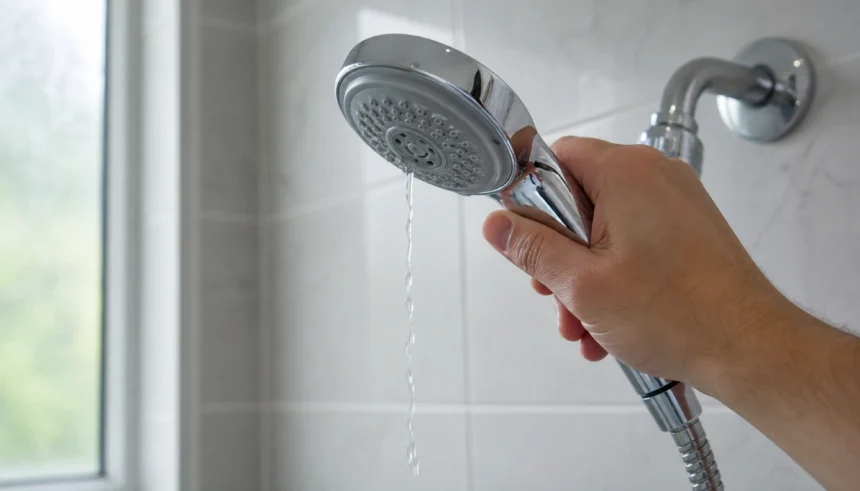
Last spring, I replaced my old, crusty shower head with a new one. I expected a strong, satisfying rinse. Instead, I got a weak trickle that barely rinsed the shampoo out of my hair.
If that sounds familiar, you’re not alone. You spent money on a new shower head, and now your water pressure feels worse than before. That’s frustrating, especially when you expected an upgrade.
Here’s the good news. Low shower pressure after replacing the head is a common problem. Most causes are simple to fix on your own. In this article, you’ll learn exactly why this happens and how to get strong pressure back.
The Most Common Reasons Your New Shower Head Has Low Pressure
Check these causes first. Most fixes take less than ten minutes.
1. The Flow Restrictor Is Doing Its Job
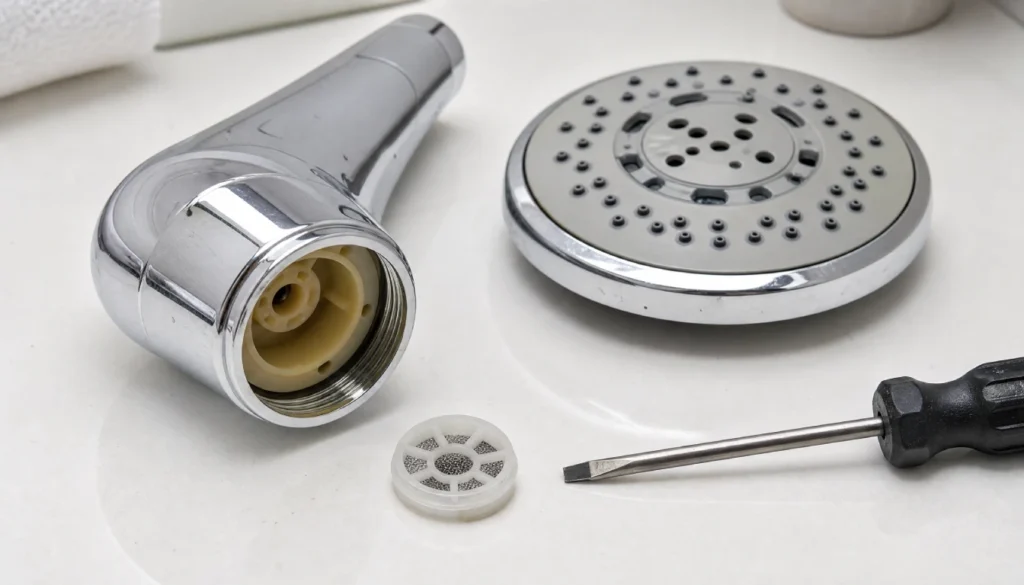
Most new shower heads come with a built-in flow restrictor. It’s a small plastic disc that limits water flow to meet water-saving standards.
Your old shower head may not have had a restrictor, or its restrictor had worn out over time. Your new head still has a tight, fresh one. That difference alone can explain the drop in pressure.
Quick fix: Unscrew the shower head. Find the small plastic or rubber disc near the connection. Pry it out gently with a flathead screwdriver. Test the pressure again.
2. Debris or Tape Blocking the Water Flow
Installing a new shower head can knock loose debris from the pipe, old tape, or sediment. That debris can land directly in the new head’s holes and block water flow.
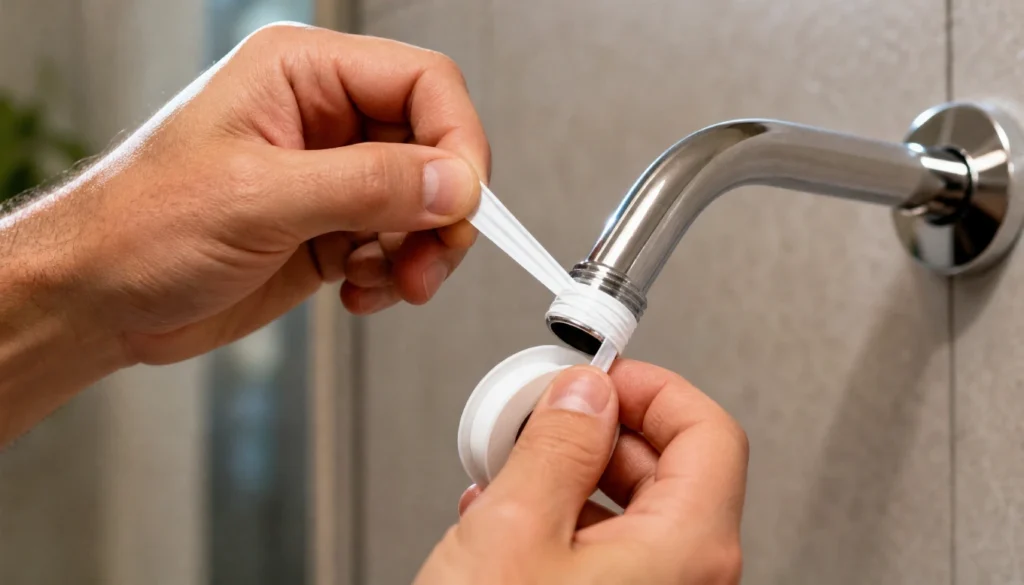
Plumber’s tape wrapped too thick, or torn unevenly, can also stick into the opening. This is one of the most overlooked causes of low pressure after a shower head swap.
Quick fix: Remove the head. Run water directly from the shower arm for a few seconds to flush out debris. Reattach the head.
3. Hard Water Buildup Is Already Clogging the Holes
A brand new shower head can still develop buildup fast. In hard water areas, mineral deposits can form within the first few weeks of use.
The holes in a shower head are small, so even a little buildup makes a big difference in flow.
Quick fix: Soak the shower head in white vinegar for 30 to 60 minutes. Scrub gently with an old toothbrush.
4. The Shower Arm or Valve Has an Existing Problem
Sometimes the shower head isn’t the problem. If your shower arm has internal rust, or your diverter valve is worn, pressure will feel weak no matter what head you attach.
This shows up more often in older homes with original plumbing.
Quick fix: Remove the head completely. Check the water pressure directly from the arm. If it’s still weak, the problem sits upstream in your plumbing, not in the shower head.
5. You Switched to a Water-Saving or Filtered Shower Head
Water-saving and filtered shower heads reduce flow on purpose. That’s part of how they conserve water or filter out chemicals and minerals.
If your old head had a higher GPM rating gallons per minute, the new one will feel weaker even when nothing is wrong.
Quick fix: Check the GPM rating on the box. Standard heads run around 2.5 GPM. Water-saving models run 1.5 to 1.8 GPM.
Shower Head Type Comparison
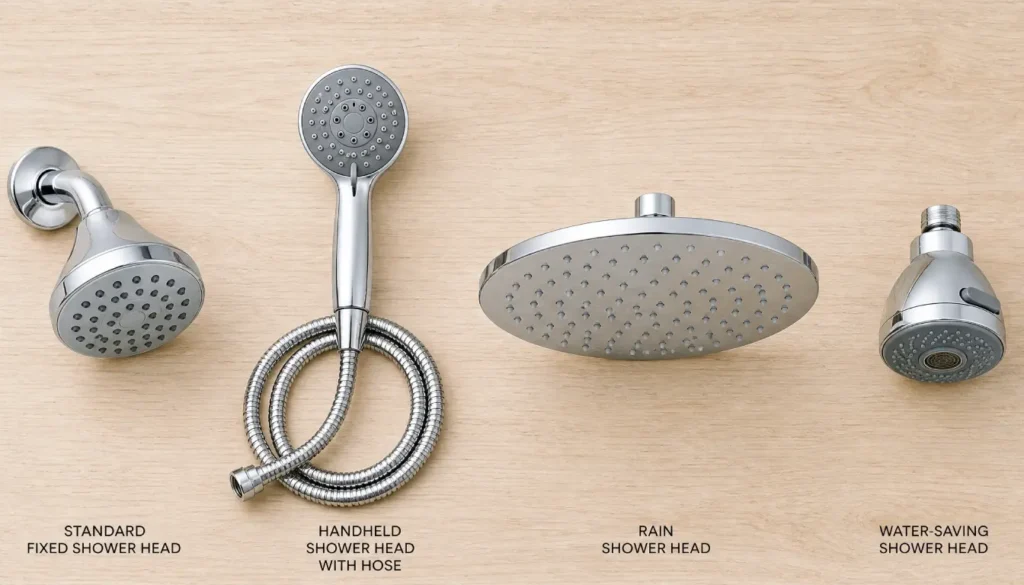
| Shower Head Type | Typical GPM | Pressure Feel | Best For |
|---|---|---|---|
| Standard fixed head | 2.5 GPM | Strong | Homes with good water pressure |
| Water-saving (WaterSense) | 1.5 to 1.8 GPM | Gentle to moderate | Lowering water bills |
| Handheld shower head | 1.8 to 2.5 GPM | Moderate | Flexible rinsing |
| Rain shower head | 1.8 to 2.5 GPM | Wide but soft | Relaxing showers |
| High-pressure head for low-flow homes | 2.0+ GPM (boosted) | Strong | Homes with weak water pressure |
How to Fix Low Shower Pressure After a New Shower Head Install
Follow these steps. You don’t need a plumber for most of this.
- Remove the shower head and check the water flow straight from the arm.
- Look for the flow restrictor inside the head. Remove it if your local code allows it.
- Flush the shower arm for a few seconds to clear debris.
- Soak the head in vinegar to dissolve any early mineral buildup.
- Check for kinks if you use a handheld or hose-connected head.
- Reattach the head with fresh plumber’s tape, wrapped thin and even.
- Test the pressure. Repeat any step that didn’t fully solve the problem.
Mistakes That Make Low Pressure Worse
Watch for these errors when you troubleshoot your shower.
- Wrapping plumber’s tape too thick, which narrows the opening
- Leaving the flow restrictor in when local code doesn’t require it
- Ruling out hard water because the head is new
- Blaming the shower head before you check the arm and valve
- Overtightening the connection, which pinches the seal and reduces flow
When the Problem Isn’t the Shower Head at All
If you’ve tried every step above and pressure is still weak, the issue may sit in your home’s plumbing system. Gravity-fed systems, older combi boilers, and unvented hot water setups all produce lower pressure by design.
In this case, a shower pump can boost pressure without touching the shower head again.
Tips to Keep Your Pressure Strong Long Term
- Clean your shower head every one to two months, more often with hard water
- Choose a head with a removable flow restrictor if your area allows it
- Avoid stacking a filter and a water-saving head together; both reduce flow
- Check your shower arm for rust once a year
- Keep a bottle of vinegar under the sink for quick soaks
Frequently Asked Questions
Why does my new shower head have less pressure than my old one?
Your new head likely has a fresh flow restrictor or a lower GPM rating than your old head, especially if your old head’s restrictor had worn out over time.
Is it safe to remove the flow restrictor from a new shower head?
In most homes, yes. Check your local water regulations first. Some areas require restrictors to stay in place.
Why is my rain shower head so weak after I installed it?
Rain shower heads spread water over a wide surface, so the pressure feels softer even at a normal GPM. That’s normal for this style, not a defect.
Can hard water really clog a shower head that fast?
Yes. In hard water areas, mineral buildup can start forming within days, especially in the small holes of modern shower heads.
Should I blame water regulations for my new shower head feeling weak?
Newer showerheads meet water-efficiency standards like WaterSense, so many models use less water by design. That can make them feel gentler than older, unrestricted heads.
Final Thoughts
Low shower pressure after replacing your shower head is annoying, but it rarely signals a bigger problem. Most of the time, it comes down to a flow restrictor, some debris, or a different GPM rating than you’re used to.
Work through the steps above. You’ll likely get your strong shower back within the hour. Your morning routine deserves better than a weak trickle.
Have you dealt with this in your own bathroom? Tell me what fixed it for you in the comments. If this guide helped, share it with a friend who’s fighting the same weak shower stream.