

A few years back, I sat down with my sister to watch a show everyone kept talking about. She turned to me and said, “This isn’t just a TV show. This is prestige TV.” I nodded like I knew exactly what that meant. I didn’t.
I went home and started digging. I watched more shows. I read reviews. I paid attention to what critics said versus what my group chat said. Slowly, it clicked. Prestige TV isn’t a made-up term critics use to sound smart. It’s a real category with real traits.
If you’ve ever wondered why some shows get award season buzz while others just quietly air and disappear, you’re in the right place. This guide breaks down what prestige TV actually means, how it differs from regular shows, and how to spot it yourself.
What Is Prestige TV, Exactly?
Prestige TV is a term used for high-quality, cinematic television. Think big budgets, serious writing, and stories that unfold slowly over a season instead of wrapping up in one episode.
The prestige TV definition usually includes a few key things: strong character development, a distinct visual style, and writing that treats its audience like adults. These shows want to be taken seriously as art, not just entertainment.
The phrase came from the idea that certain shows carry prestige, meaning respect and status. Shows like The Sopranos helped kick off what people now call the golden age of television.
Prestige TV vs Regular TV: The Core Differences

This is the question most people actually want answered. Here’s a simple breakdown.
| Feature | Prestige TV | Regular TV |
|---|---|---|
| Episode count | 6 to 13 episodes per season | 20+ episodes per season |
| Story structure | Serialized, one long story | Often standalone episodes |
| Budget | High, movie-level | Lower per episode |
| Pacing | Slow burn | Fast, resolved quickly |
| Commercial breaks | None, usually streaming or premium cable | Yes, ad-supported |
| Tone | Complex, morally gray | Often clear-cut, formulaic |
Regular TV, especially network TV, runs on a different model. It needs more episodes to fill a season and keep viewers tuning in weekly around ads. Prestige TV doesn’t play by those rules.
Characteristics of Prestige TV

Let’s get specific. Here are the traits that separate prestige TV from everything else.
1. Serialized Storytelling
Prestige dramas tell one big story across a whole season, sometimes across several seasons. You can’t skip an episode and expect to follow along. Every episode builds on the last one.
2. Cinematic Visual Style
These shows look like movies. Directors use real locations instead of soundstages. Lighting and color grading get real attention. Nothing feels cheap or rushed.
3. Complex, Flawed Characters
Prestige TV loves antiheroes. Walter White, Tony Soprano, and characters like them aren’t easy to root for, but you can’t look away either. This moral gray area is a signature move for the genre.
4. Shorter Seasons, Bigger Budgets
Instead of 22 episodes made on a tight budget, prestige shows often get 8 to 10 episodes with a much bigger budget per episode. That money shows up on screen.
5. Slower Pacing
Regular shows resolve problems fast to keep you watching next week. Prestige TV takes its time. Some people call this the “10-hour movie” approach, since a whole season can feel like one long film split into parts.
Why Prestige TV Feels Different to Watch
I noticed this myself the first time I binged a prestige series. I wasn’t just watching for entertainment. I was thinking about the characters days later. That’s the point.
Regular shows are often designed for comfort watching. You can put them on in the background and still follow along fine. Prestige TV asks for your full attention. It rewards you for paying close attention to small details.
This doesn’t make regular TV worse. It just serves a different purpose. Sometimes you want a show that challenges you. Other times you want something easy after a long day. Both have value.
Quick Tips: How to Tell If a Show Is Prestige TV
Not sure if what you’re watching counts? Check these signs.
- The season has fewer than 13 episodes
- The story continues across the whole season instead of resetting each episode
- Critics discuss it using words like “auteur” or “showrunner vision”
- It’s nominated for major awards like the Emmys or Golden Globes
- The show streams on platforms like HBO Max, Apple TV+, or premium cable
- Main characters can die or make bad choices without a neat resolution
If a show checks most of these boxes, you’re probably watching prestige TV.
Where to Watch Prestige TV
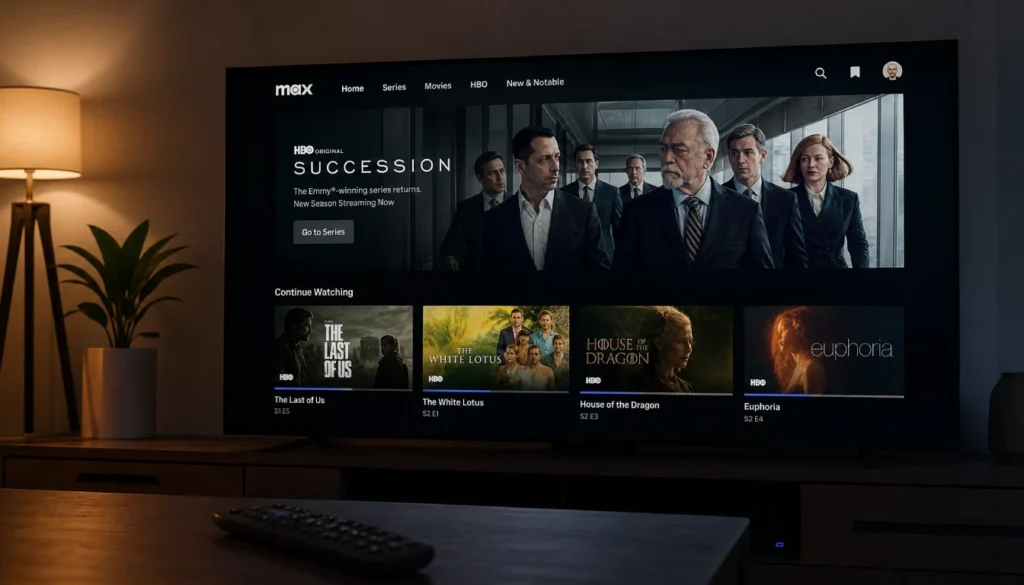
Streaming changed everything for this genre. Here’s where you’ll usually find the best prestige TV shows right now.
- HBO Max: Long considered the home of prestige television, going back to The Sopranos and The Wire
- Apple TV+: Smaller library, but consistently high quality and award-nominated
- Netflix: Mixes prestige originals with more mainstream content
- FX on Hulu: Known for sharp writing and strong character work
- Amazon Prime: Growing library of high-budget dramas
You don’t need cable anymore to watch award-winning TV. A couple of streaming subscriptions will get you most of what critics recommend each year.
Common Mistakes People Make When Talking About Prestige TV
- Assuming expensive means prestige. A big budget alone doesn’t make a show prestige TV. The writing and character work matter just as much.
- Confusing limited series with regular series. Limited series are a specific format within prestige TV, usually one season and done.
- Thinking prestige TV has to be dark. Plenty of dramas are heavy, but the genre also includes shows with humor and warmth.
- Dismissing regular TV as lesser. Procedurals and network shows serve a real purpose. They’re not trying to be prestige TV, and that’s fine.
Prestige TV and Awards Season
If you want proof that a show falls into this category, watch what happens during awards season. Prestige dramas dominate the Emmys and Golden Globes almost every year.
Categories like Best Drama Series or Best Limited Series are basically built around prestige TV. Critics and industry voters tend to reward serialized storytelling, strong direction, and performances that carry weight across a whole season.
This is part of why prestige TV keeps growing. Awards attention brings more viewers, more funding, and more talented writers and directors wanting to work on these projects.
Frequently Asked Questions
What is the simplest definition of prestige TV?
Prestige TV is high-budget, cinematic television with serialized storytelling, complex characters, and a focus on artistic quality over quick entertainment.
Why is it called prestige television?
The term comes from the idea that these shows carry prestige, meaning critical respect and cultural status, similar to award-winning films.
Is prestige TV the same as a limited series?
Not exactly. A limited series is one format within prestige TV, usually a single season telling one complete story. Prestige TV as a whole includes ongoing dramas too.
Do prestige TV shows always win awards?
Not always, but they dominate award nominations far more than regular network shows because of their production quality and writing depth.
Can a network show be considered prestige TV?
It’s rare, but not impossible. Some network shows have pushed toward prestige territory with strong writing and serialized stories, even with ad breaks and longer seasons.
Final Thoughts
Prestige TV isn’t about being fancy for the sake of it. It’s about shows that take real creative risks, invest in strong writing, and trust you to keep up with a slower, deeper story.
Next time someone tells you a show is “prestige TV,” you’ll know exactly what they mean and why it matters. And if you’re picking your next watch, there’s no wrong choice between a comfort show and a prestige drama. Both have a place on your watchlist.
What’s the last show that made you feel like you were watching something special? Drop it in the comments. I’m always looking for my next binge.