Two years ago, I ate lunch at my desk every single day. I answered emails while I brushed my teeth. I planned my weekends like they were work sprints. Then one Tuesday, I sat in my car in a grocery store parking lot and cried because I couldn’t remember the last time I felt calm.
That was my wake-up call.
If you’re reading this, you might feel the same pull I felt. You’re tired of rushing. You want your days to feel like your own again. You’ve probably heard the phrase “slow living” on social media and wondered what it actually means, and whether it’s realistic for someone with a job, a family, or a busy schedule.
This article breaks down the meaning of slow living in plain language, shows you real slow living examples from everyday life, and gives you practical ways to start, even if you can’t quit your job or move to a cabin in the woods.
What Is Slow Living, Really?
Slow living is a way of life that values presence over speed. It means choosing quality over quantity in how you spend your time, energy, and attention. It’s not about doing less for the sake of doing less. It’s about doing what matters, on purpose.
The slow living movement grew out of the slow food movement, which started in Italy in the 1980s as a pushback against fast food culture. Over time, the idea spread beyond meals into other parts of daily life: work, relationships, home, and rest.
At its core, slow living asks one simple question: does this activity deserve my full attention? If yes, you slow down and give it that attention. If no, you let it go or simplify it.
Slow Living vs Minimalism: What’s the Difference?
People mix these two up a lot, so let’s clear it up.
| Slow Living | Minimalism |
|---|---|
| Focuses on how you spend time | Focuses on what you own |
| About pace and presence | About reducing clutter and excess items |
| Can include owning a lot, as long as it’s intentional | Usually means owning less overall |
| A mindset toward daily life | Often a specific decluttering practice |
You can practice both together, and many people do. But you don’t need to be a minimalist to live slowly. You just need to be intentional.
Real Slow Living Examples in Daily Life
Here’s where things get practical. These aren’t abstract ideas. These are real habits real people use every day.
1. A Slow Morning Routine
Instead of grabbing your phone the second you wake up, try this:
- Sit up in bed for two minutes before moving
- Make your coffee or tea without scrolling
- Open a window and let in fresh air
- Write down one thing you’re looking forward to that day
This whole routine takes ten minutes. It sets a calm tone for the rest of your day.
2. Slow Cooking and Mindful Eating
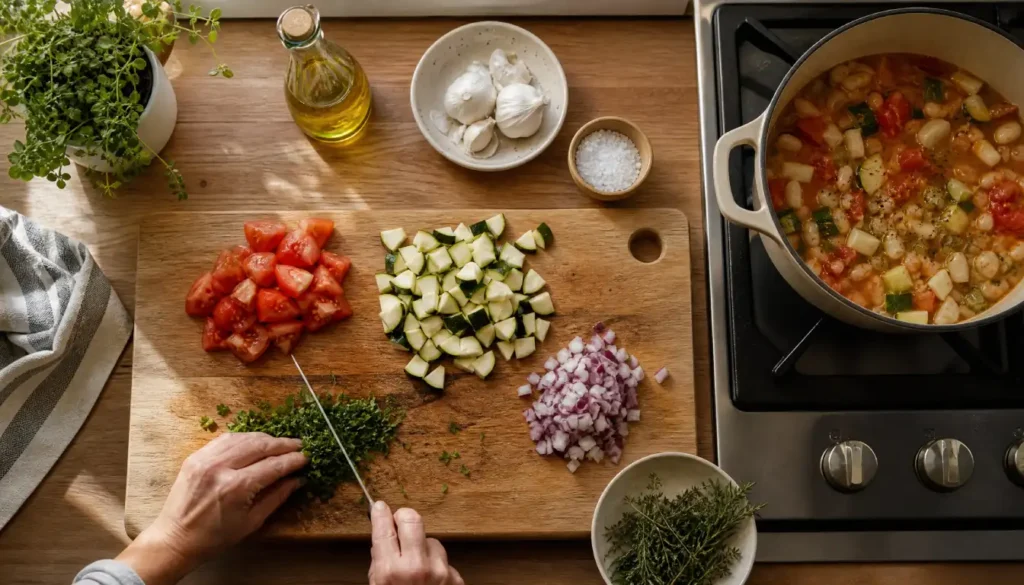
You don’t need a full kitchen renovation for this. Just try cooking one meal a week without rushing. Chop the vegetables slowly. Notice the smell of the food as it cooks. Sit down to eat without your phone nearby.
This is the heart of the slow food movement: treating meals as an experience, not a task to check off.
3. Slow Sunday Dinners
Pick one day a week for a slower dinner. Invite family or friends, or just eat with yourself and no distractions. Light a candle. Play soft music. Talk about your week instead of watching TV.
4. Digital Detox Evenings
Choose one evening a week to put your phone in another room after dinner. Read a book. Take a bath. Call a friend instead of texting. This single change can lower your stress more than you’d expect.
5. Slow Travel
Instead of packing five cities into one trip, pick one place and stay longer. Walk instead of taking a taxi everywhere. Sit in a local café and watch people instead of rushing to the next photo spot.
6. A Slower Wardrobe
Building a small capsule wardrobe with pieces you love and wear often is a form of slow living. You spend less time deciding what to wear, and you buy less overall, which supports slow fashion too.
Slow Living for Busy People: Yes, It’s Possible

I know what you might be thinking. “This sounds nice, but I have a full-time job and kids.” I hear you. Slow living without quitting your job is not only possible, it’s how most people actually practice it.
Here’s how to fit slow living into a busy schedule:
- Pick one meal a day to eat without your phone
- Choose one task at work to do without multitasking
- Take a five-minute walk outside between meetings
- Say no to one thing this week that drains you
- Set a “no notifications after 8 pm” rule
Slow living isn’t about having more free time. It’s about how you use the time you already have.
Slow Living for Families
If you’re a parent, slow living might look different, but it still works.
- Cook one simple meal together as a family each week
- Have a screen-free hour before bed
- Take slow weekend walks instead of packing every hour with activities
- Let kids get bored sometimes instead of filling every gap with entertainment
Slow parenting doesn’t mean doing less for your kids. It means giving them your full attention more often, even in small moments.
Mistakes to Avoid When Starting Slow Living
Even good intentions can go sideways. Watch out for these common slip-ups.
Trying to change everything at once. Pick one habit. Master it. Then add another.
Turning it into another aesthetic to chase. Slow living isn’t about buying the perfect linen robe or the right ceramic mug. It’s about your actual pace of life.
Feeling guilty for resting. Rest is productive. It’s not laziness. Your body and mind need it to function well.
Comparing your slow living journey to someone else’s. Your version might not look like the pictures you see online, and that’s fine.
Slow Living and Mental Health
Research on stress and burnout consistently points to one thing: constant rushing raises cortisol levels and wears down your ability to focus. Slowing down, even in small ways, gives your nervous system room to reset.
People who practice slow living often report:
- Lower daily stress
- Better sleep
- Improved focus
- Stronger relationships, since they’re more present during conversations
If you deal with anxiety or feel burned out, slow living can be one part of your recovery. It’s not a replacement for therapy or medical care, but it can support your overall well-being.
Slow Living in the City
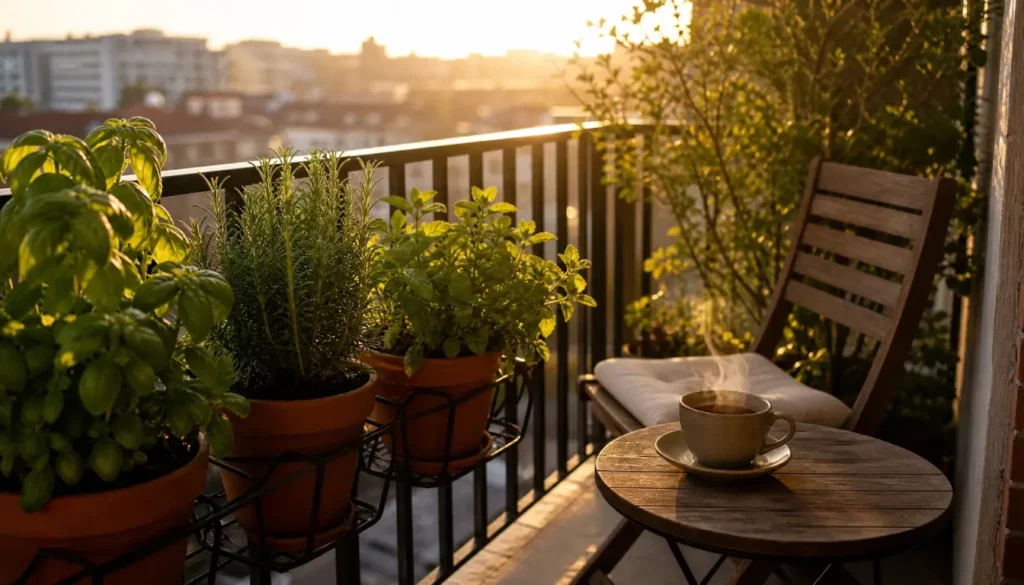
You don’t need a farmhouse or a big backyard to live slowly. Urban slow living is real and doable.
- Find one quiet park bench near your home and visit it weekly
- Grow one herb plant on your balcony or windowsill
- Walk to one errand instead of driving, when you can
- Support one local, slow-paced coffee shop instead of always grabbing to-go coffee
City life moves fast, but your personal pace doesn’t have to match it.
FAQs
What is the point of slow living?
The point is to feel more present in your own life. Instead of rushing through your days, you actually experience them. That leads to less stress and more satisfaction over time.
Is slow living the same as being lazy?
No. Slow living is intentional. Laziness usually means avoiding tasks. Slow living means doing tasks with full attention instead of rushing through them carelessly.
Can slow living help with anxiety?
Many people find that slowing down reduces their anxiety symptoms, since rushing and overstimulation often make anxiety worse. It’s not a cure, but it can help as part of a broader routine.
Is slow living a privilege?
Some parts of slow living, like traveling slowly or working fewer hours, do require financial flexibility. But many slow living habits, like mindful eating or a screen-free evening, cost nothing and are open to almost anyone.
How do I start slow living as a beginner?
Start with one small habit. A slow morning routine or a phone-free dinner is a good place to begin. Build from there once that habit feels natural.
A Gentle Reminder Before You Go
Slow living isn’t a strict rulebook. It’s a direction, not a destination. Some days will still feel rushed, and that’s okay. What matters is that you keep choosing presence when you can.
Start small. Pick one idea from this article and try it this week. Maybe it’s a slow morning. Maybe it’s one screen-free dinner. Permit yourself to go at your own pace.
I’d love to hear from you. What does slow living look like in your life right now? Drop a comment and share your own routine, or ask a question if you’re not sure where to start. We’re all figuring this out together, one slower day at a time.