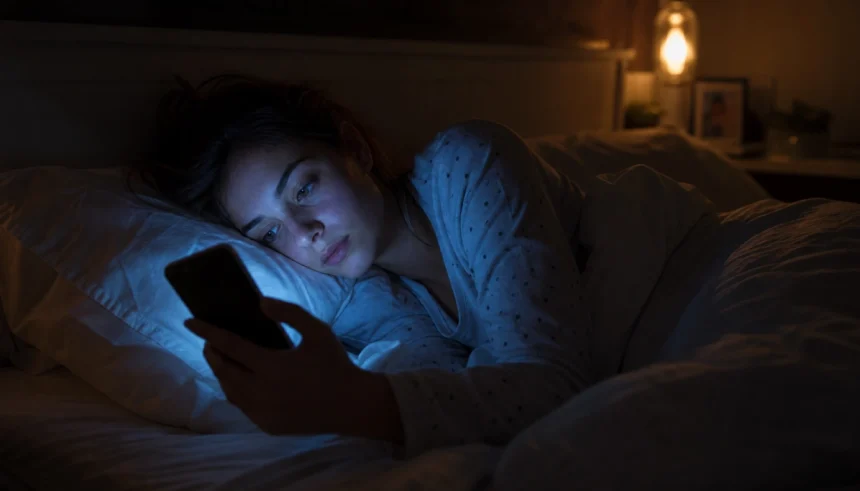
It is 1:47 AM. You are exhausted. Your eyes are burning, your pillow looks perfect, and your body is begging you to stop.
But you are still on your phone.
You open Instagram. Then TikTok. Then you somehow end up watching a video about the history of vending machines in Japan, and you have no idea how you got there.
Sound familiar? You are not alone, and you are not lazy. There is a real psychological reason this keeps happening, and once you understand it, the whole thing starts to make sense.
This article covers why you scroll instead of sleep, what revenge bedtime procrastination actually means, and what you can do to break the cycle tonight.
What Is Revenge Bedtime Procrastination?
Revenge bedtime procrastination is the habit of staying up late to do something enjoyable, even when you know you are tired and need sleep.
The word “revenge” sounds dramatic, but it fits. During the day, your time belongs to work, school, kids, or responsibilities. Night is the only window that feels like yours. So you stay up scrolling. You reclaim that time.
A 2014 study published in Frontiers in Psychology described it as a failure of self-regulation, where people delay sleep without any external reason, just to squeeze more personal time from the day.
It is not about being irresponsible. It is about feeling like you never had enough time for yourself.
Why Does Scrolling Feel So Good at Night?
Here is what most people miss. The problem is not just habit. There is real biology behind it.
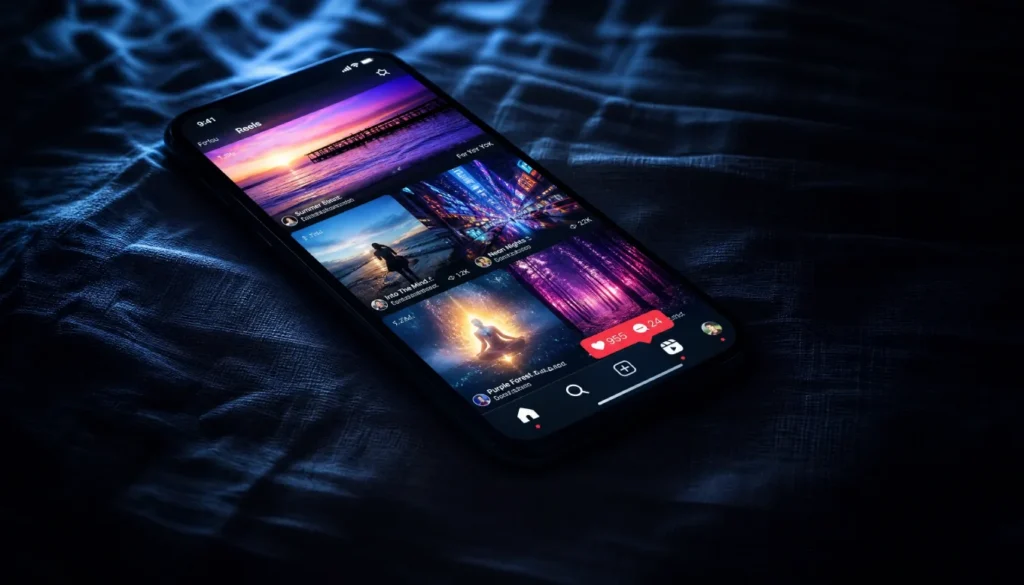
Your brain produces dopamine when you scroll. Every new post, video, or notification gives your brain a tiny reward hit. That keeps you going. The feed never ends, so neither does the reward loop.
At night, your prefrontal cortex (the part of your brain responsible for self-control) is worn down from a full day of decisions. Your willpower is genuinely lower. So the part of your brain that says “put the phone down” loses to the part that says “just one more video.”
Add blue light exposure from your screen, which suppresses melatonin production and pushes your circadian rhythm later, and you have a system working against you from every angle.
This is not a character flaw. It is biology and psychology colliding at the worst possible time.
Who Does This Affect Most?
Bedtime procrastination affects people across all ages, but a few groups tend to experience it more intensely.
Parents, especially mothers. After the kids go to bed, the house is finally quiet. That hour of scrolling is often the only uninterrupted personal time available. Revenge bedtime procrastination in parents is strongly tied to burnout and a loss of personal identity during the day.
People with ADHD. ADHD and bedtime procrastination are closely linked. Executive dysfunction makes it hard to transition out of stimulating activities. The phone provides constant novelty, which ADHD brains find especially hard to disengage from.
High-stress professionals. If your work demands constant focus and performance, nighttime scrolling can feel like the first moment of release. The problem is that screen time in bed does the opposite of what rest actually requires.
Students. Sleep procrastination in college students is common and well-documented. Social media before bed creates a cycle of anxiety and delayed sleep that hurts academic performance the next day.
The Bedtime Procrastination Cycle (And How It Gets Worse)
Here is how the pattern tends to go:
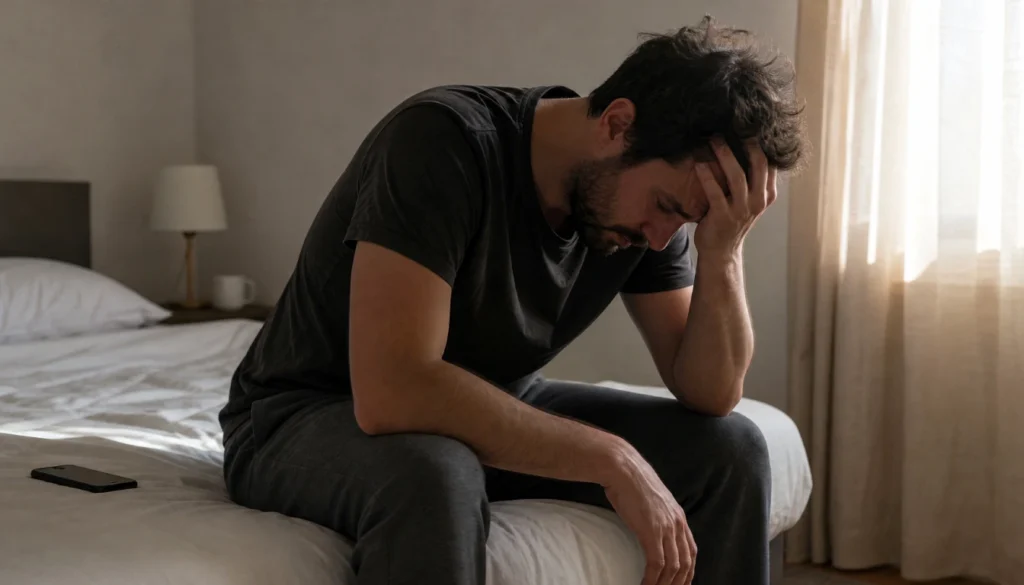
You feel stressed or under-rested during the day. You look forward to unwinding at night. You pick up your phone “just for a minute.” An hour passes. You feel guilty. You scroll more to avoid the guilt. You finally fall asleep too late. You wake up tired and stressed.
Then it repeats.
The cycle feeds itself. Screen time before bed raises pre-sleep arousal, meaning your brain stays alert longer. That increases sleep onset latency, or the time it takes you to actually fall asleep. The less sleep you get, the more you crave mental escape the next night.
Scrolling on a phone in the dark before bed compounds this. Even with night mode on, the stimulation from social media keeps your brain activated when it should be winding down.
How to Stop Scrolling Before Bed (Without Feeling Deprived)
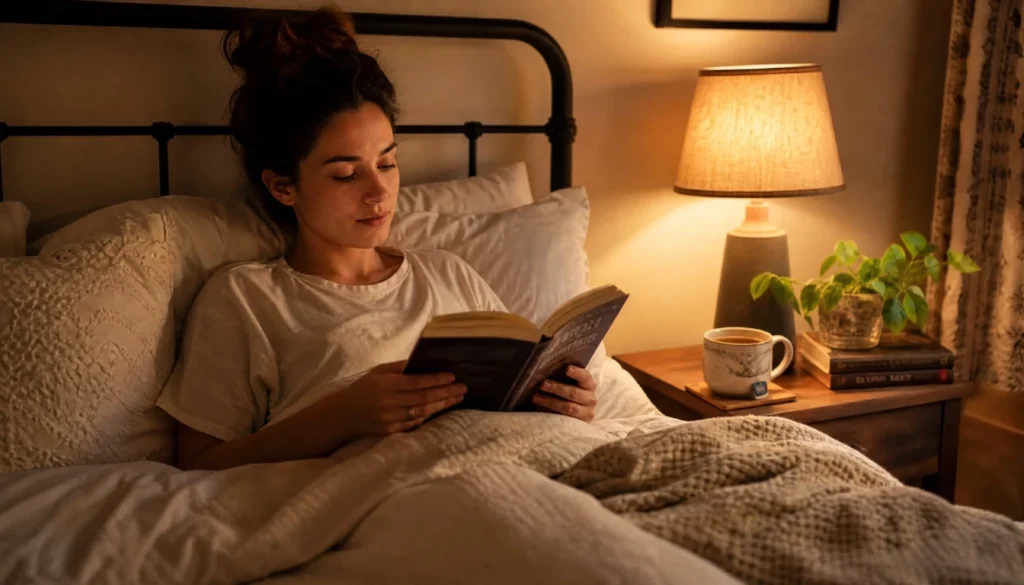
You do not need a perfect bedtime routine. You need one or two small changes that actually stick.
Set a “phone curfew” at least 30 minutes before bed
Put your phone in another room, a drawer, or a phone lock box before your target bedtime. Out of sight genuinely helps. The temptation drops significantly when the phone is not within arm’s reach.
Replace scrolling with something that still feels like a reward
Reading a physical book, listening to an audiobook, or doing a guided sleep meditation gives your brain a low-stimulation wind-down that still feels like personal time. You are not punishing yourself. You are swapping one activity for one that does not sabotage your sleep.
Use your phone’s built-in tools
Set up bedtime mode or Screen Time limits on your iPhone. Android offers Digital Wellbeing features that go grayscale at a set time. When the screen turns grey, scrolling becomes noticeably less satisfying.
Address what the scrolling is covering up
Sometimes doomscrolling at night is a form of emotional avoidance. You are tired, but your brain is restless. Journaling for five minutes about what is actually on your mind, or even just making a short to-do list for tomorrow, can reduce that restless feeling enough to let sleep come.
Give yourself intentional “alone time” earlier in the evening
If revenge bedtime procrastination happens because your day has no breathing room, try building 20 to 30 minutes of guilt-free personal time before 10 PM. When you feel less deprived, you are less likely to steal it from your sleep.
Quick Comparison: Phone vs. Better Wind-Down Options
| Activity | Effect on Sleep | Dopamine Level | Guilt After |
|---|---|---|---|
| Scrolling social media | Delays sleep onset | High | Often yes |
| Watching short videos | Raises arousal | High | Sometimes |
| Reading a physical book | Promotes sleep | Low to medium | Rarely |
| Listening to an audiobook | Neutral to positive | Low | Rarely |
| Guided meditation | Helps sleep onset | Low | No |
| Journaling | Reduces mental load | Low | No |
Frequently Asked Questions
Is bedtime procrastination a disorder?
No, it is not classified as a clinical disorder on its own. However, it is a recognized pattern tied to self-regulation failure. For people with ADHD, depression, or anxiety, it can be a symptom that is worth discussing with a doctor or therapist.
Why do I stay up late scrolling even when I am exhausted?
Because exhaustion and the desire for personal time are two separate things. Your body is tired, but your mind still wants stimulation and autonomy. Scrolling meets that need in the short term, even though it makes exhaustion worse the next day.
Does night mode or dark mode fix the problem?
Partially. Night mode reduces blue light exposure, which helps with melatonin production. But the bigger issue is mental stimulation from the content itself. Doomscrolling at 2 AM on dark mode still keeps your brain activated well past bedtime.
Can scrolling before bed cause insomnia?
Yes, chronically. Regular phone use before sleep disrupts your circadian rhythm, delays sleep onset, and reduces overall sleep quality. Over time, this creates a pattern that resembles delayed sleep phase disorder.
How do I stop bedtime procrastination if I have ADHD?
Transition cues help. Set an alarm 30 minutes before bed as a warning signal. Use visual reminders like a lamp on a timer. Try body doubling by listening to calm background audio. ADHD-specific therapists and CBT-I (cognitive behavioral therapy for insomnia) have strong track records for this exact issue.
You Are Not Broken. You Are Just Running on Empty.
If you scroll instead of sleep every night, it usually means your day did not leave enough room for you. That is worth paying attention to.
The phone is not really the enemy. It is a symptom of needing rest, connection, or just five uninterrupted minutes that are genuinely yours.
Start small. Try one change this week. Put the phone across the room tonight and see what happens. You might be surprised how quickly your body says thank you.
And if you still find yourself watching a vending machine documentary at 2 AM? No judgment. Try again tomorrow.
What does your nighttime scrolling habit look like? Drop a comment below and share what has or has not worked for you. If this helped, pass it along to someone who might need it.